
Improving maternal health care access in rural Burundi
Improving maternal and neonatal health care is a priority for Burundi, as stipulated in the National Health Policy 2016-2025. While advances have been made in access to primary healthcare, obstacles such as long distances or lack of access to specialised equipment still persist especially in rural areas.
This project, led by the Microprojects Foundation and implemented with local partner IBAZA-Imfura, addressed this gap by introducing portable ultrasound machines in three public rural hospitals (Bururi, Condi and Nyagihotora). Taking a holistic approach, it also included the training of doctors and midwives and a wide-reaching community awareness campaign to improve early diagnosis and timely access to care, especially among vulnerable women and girls.
Around 250 pregnant women per week are expected to benefit from improved diagnostics, while awareness campaigns targeting 900 young women aim to build trust in healthcare services and encourage behavioural change. IBAZA-Imfura‘s participation ensures long-term training capacity through a dedicated ultrasound device, helping embed these improvements into local health systems beyond the project’s lifespan.
Budget:
€35,183


In partnership with

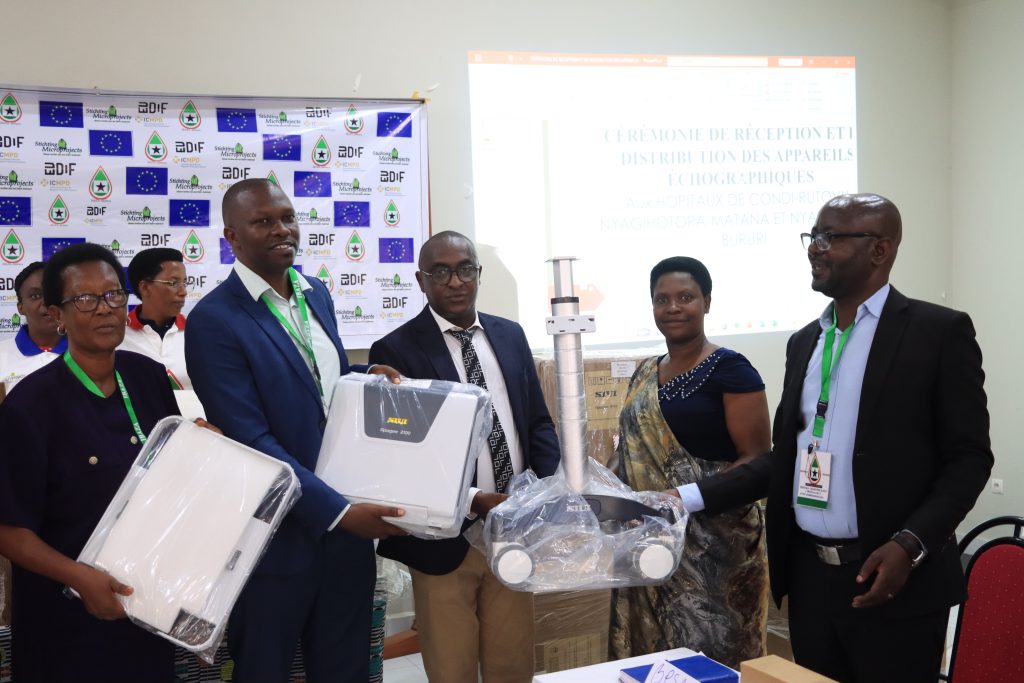
Four ultrasound machines were acquired and installed in October 2025. Three were provided to the hospitals of Condi–Rutovu, Nyagihotora–Matana and Nyagatovu–Bururi, enabling them to offer prenatal ultrasound services, while a fourth was provided to IBAZA for continuous training and as backup equipment. A project mission supported installation, coordination with local stakeholders and the integration of eight operational recommendations into training and monitoring tools.
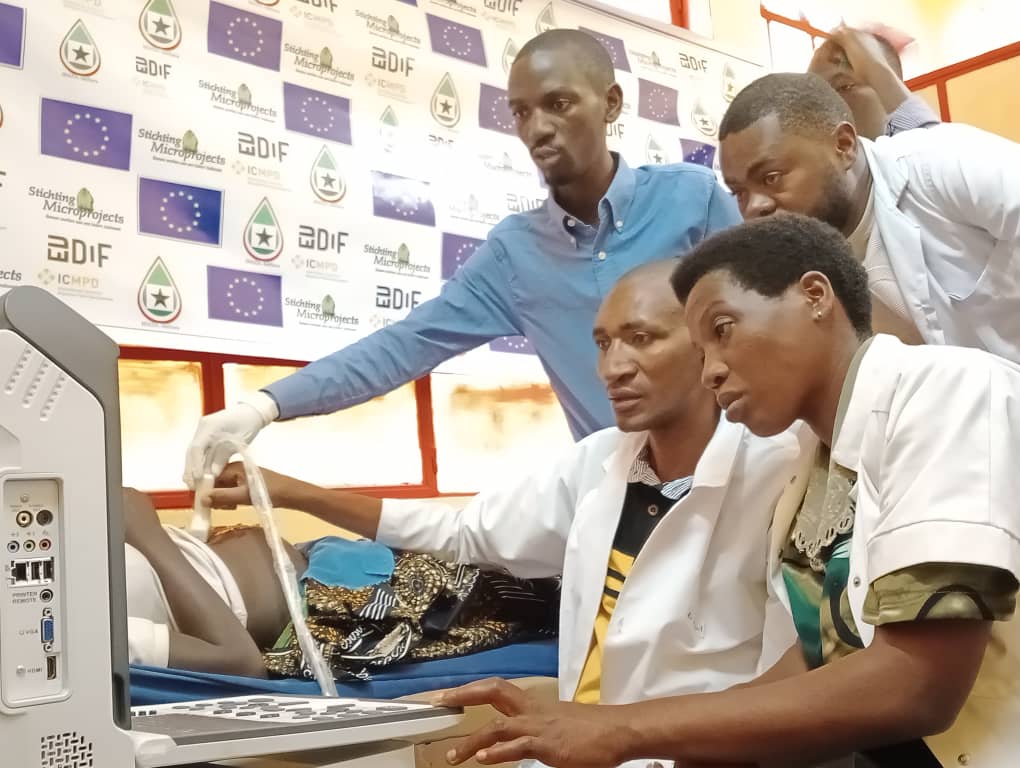
Three doctors from the beneficiary hospitals completed intensive practical ultrasound training at the Kamenge University Hospital Centre (CHUK), following a programme adapted with diaspora input. The training combined practical experience with the identification of high-risk pregnancies and appropriate patient referral. More than 100 cumulative training days were completed, with final validation by university trainers.
Seven midwives completed 22 days of practical ultrasound training across three sites in Bururi, Matana and Rutovu. The training strengthened their ability to use ultrasound equipment and conduct routine prenatal examinations, with support from three medical trainers. Final assessments showed significant improvement from their initially very low level of practical experience, with an average score of 76%.
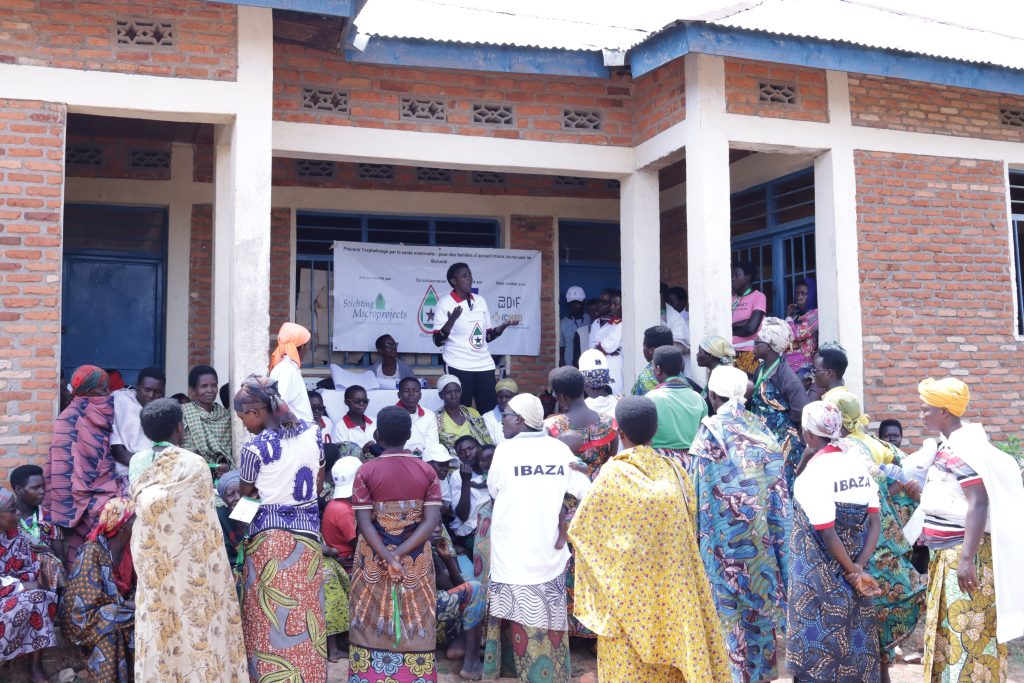
Twenty-three community awareness days were organised across villages, health facilities and schools, complemented by a digital campaign on TikTok, WhatsApp, Facebook, YouTube and Instagram. The activities focused on prenatal care, obstetric risks and women’s health and rights. They reached 1,937 women and adolescent girls in person and more than 5,000 people online, substantially exceeding the project’s initial target of 900.
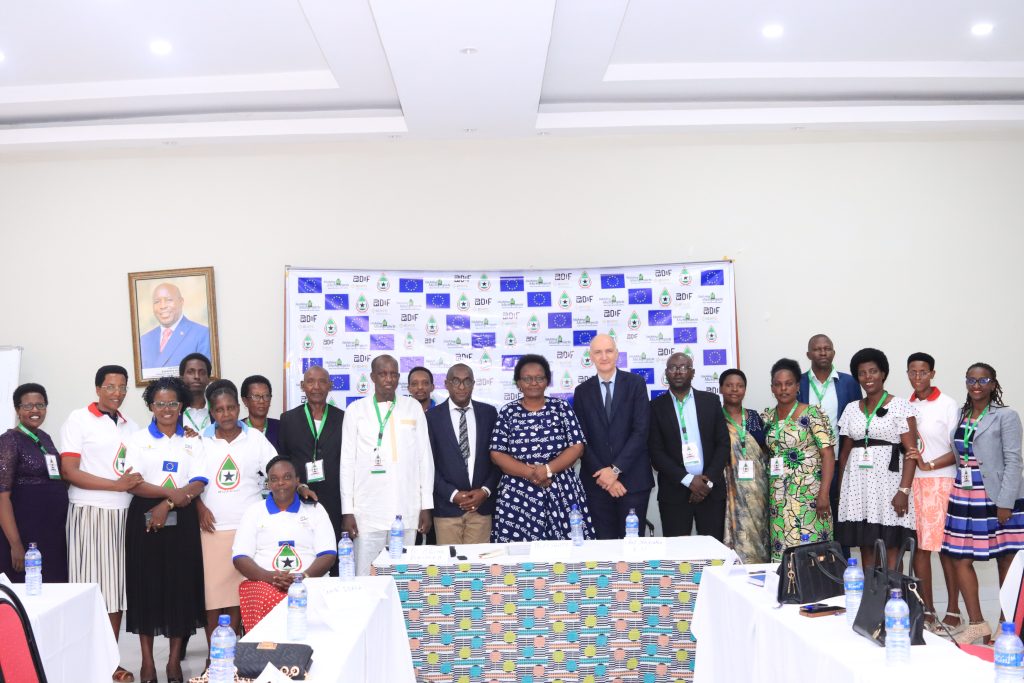
A final project review meeting was held in Bujumbura on 23 February 2026, bringing together health authorities, university and CHUK experts, IBAZA, trained doctors and representatives of the Bururi diaspora. Participants jointly reviewed the ultrasound equipment, training activities and project partnerships, validated the main results and developed recommendations to sustain and build on the project’s achievements.

Diaspora contribution
Members of the Burundian diaspora played a central role in designing and implementing the project. They helped assess needs in the target hospitals, mobilised resources, selected the ultrasound supplier and supported coordination with local partners and health authorities. The diaspora also facilitated engagement with public institutions, including the Ministry of Health, ABREMA and provincial health authorities, helping secure authorisations and align the project with national health priorities. During a joint mission to Burundi in October 2025, diaspora experts worked directly with medical staff and contributed eight practical recommendations that strengthened training modules and monitoring tools. By linking international expertise with strong local partnerships, the diaspora helped ensure the project’s relevance, quality and sustainability.