
Archives in motion: An artistic and digital odyssey
In Senegal, preserving cultural heritage and creating opportunities for youth in the cultural and digital sectors are recognised national priorities, reflected in the Sénégal Numérique 2025 strategy. Although less than 30% of African cultural archives are digitised and only 5% of museums on the continent have an online presence (UNESCO), initiatives are underway to bridge this gap.
This project, led by Mandji, offers an integrated response that is rooted in local needs and aligned with national priorities. It aims to preserve the archives of the 1966 Festival of Black Arts, in collaboration with Institut Fondamental d’Afrique Noire (IFAN), while strengthening local professional skills through training in digitisation and archive management.
In the short term, the project will safeguard the archives, improve their accessibility, and develop practical skills. In the long term, it will contribute to the promotion of African heritage, the economic inclusion of young people, and the strengthening of links between artists from the continent and the diaspora.
Budget
€ 45,938


In partnership with

A targeted campaign using posters, social media, email and WhatsApp mobilised young people interested in cultural heritage and digitisation. The campaign supported the recruitment of a diverse and gender-balanced group of participants.
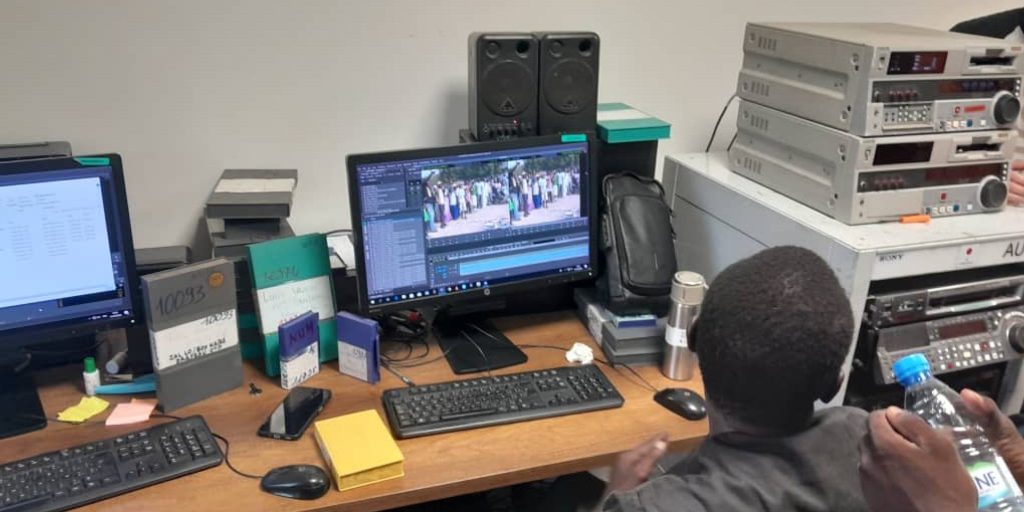
Around 300 archives related to the 1966 FESMAN were explored, of which 200 were retained and 120 selected, sorted and prepared for digitisation. The archives were also used as practical material during the training.
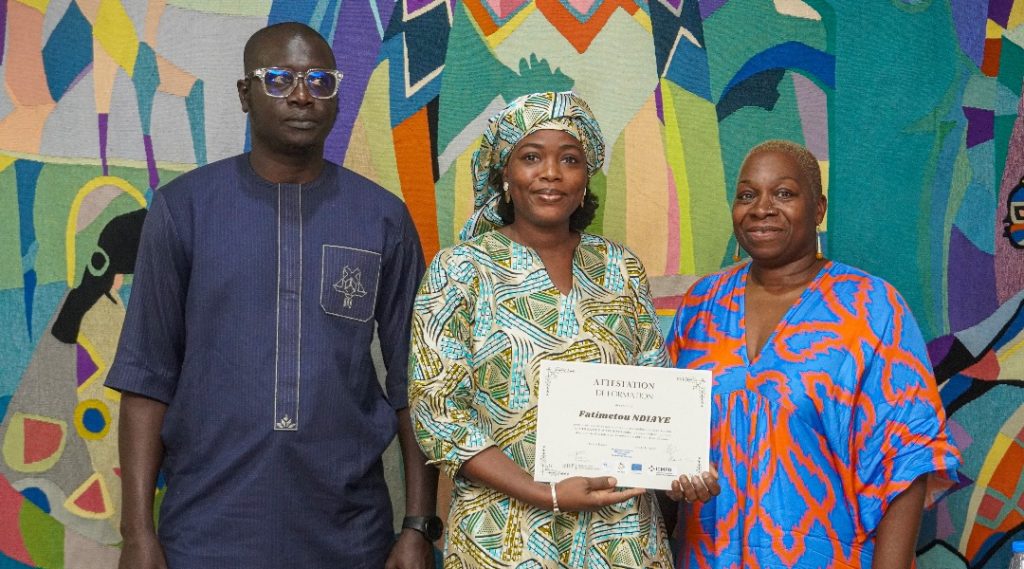
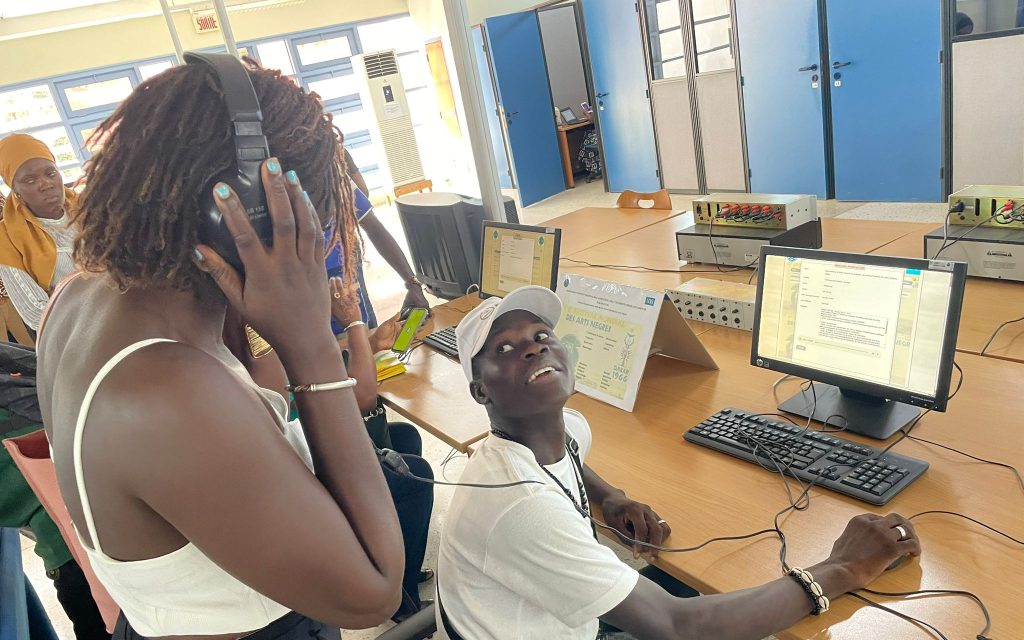
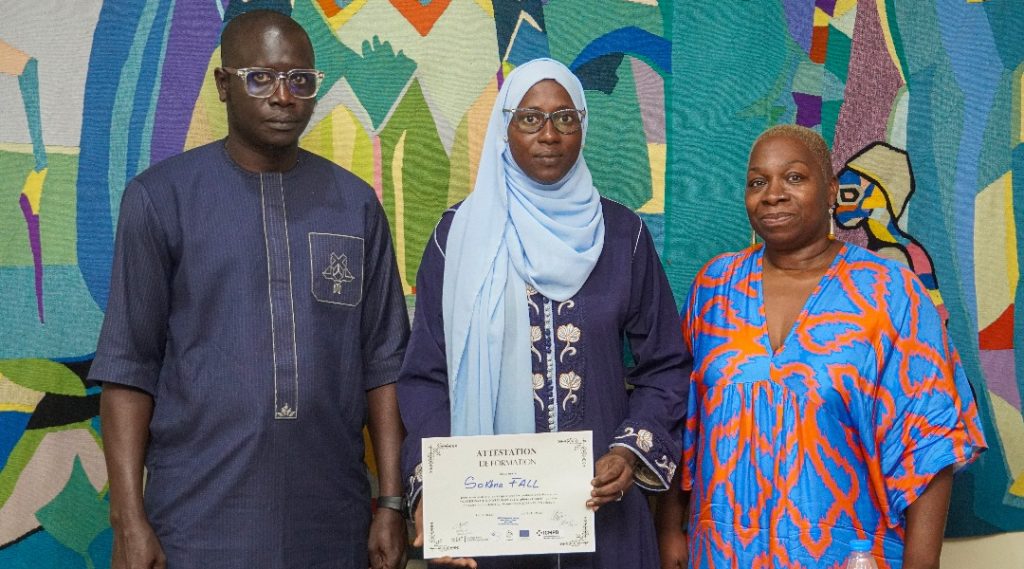
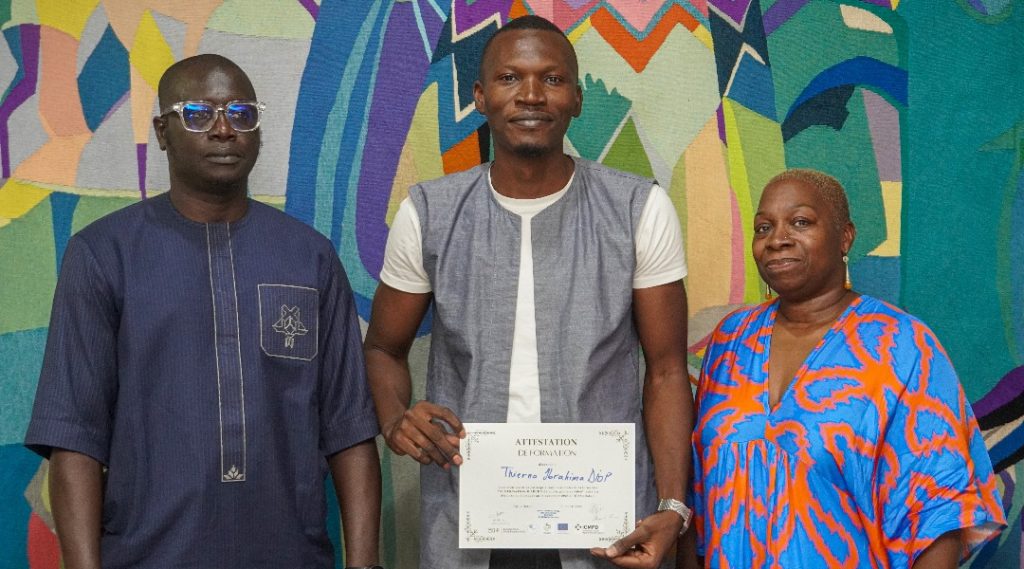
Twenty young people and five IFAN professionals completed practical and theoretical training in digitisation and digital archiving, complemented by professional visits. 92% of participants demonstrated improved skills, exceeding the 80% target, and several continued applying their learning through volunteering, further studies and work.
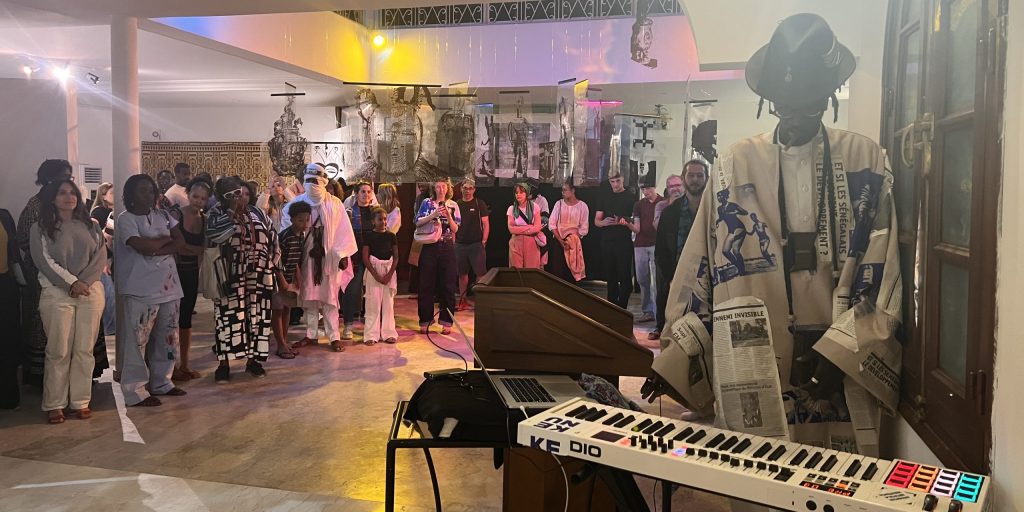
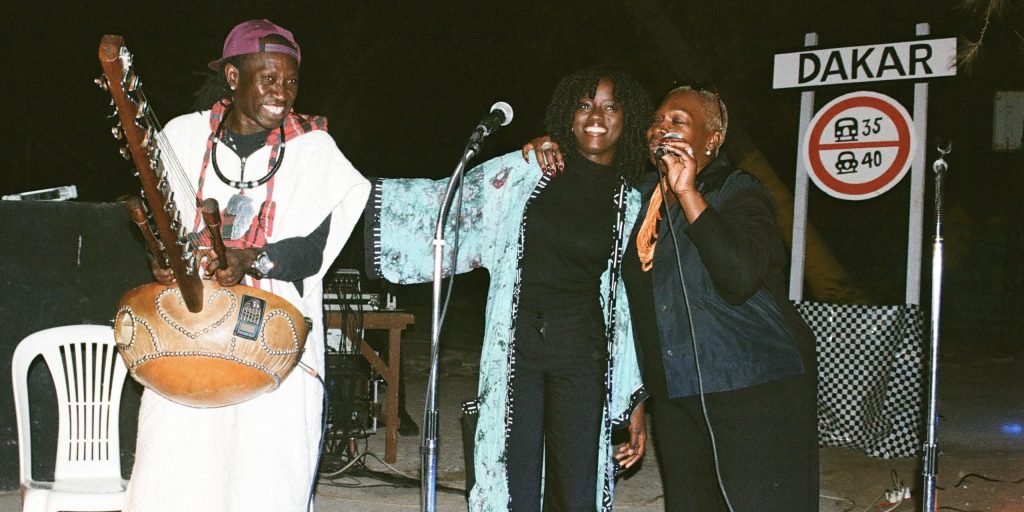
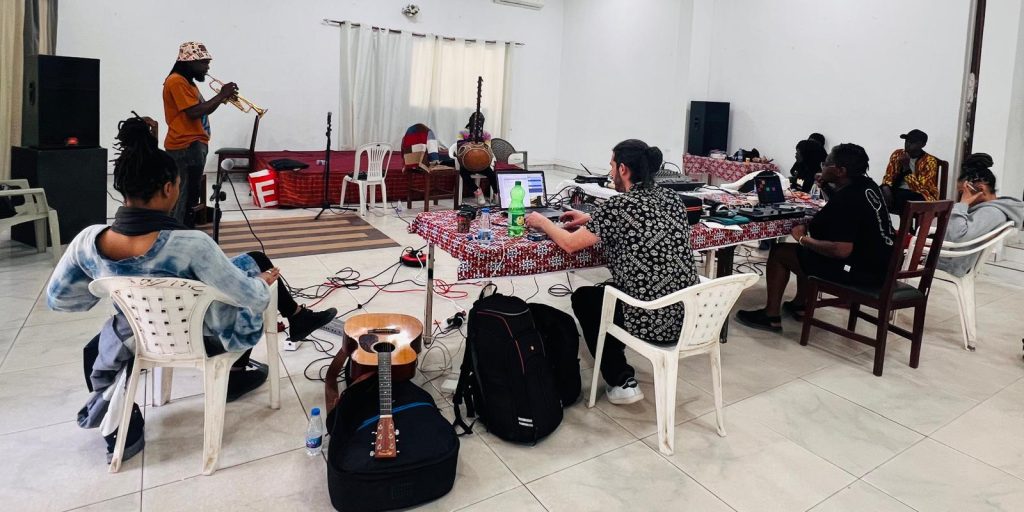
Artists from Senegal and the diaspora came together through online workshops and an intensive residency at the Maison de la Culture Douta Seck in Dakar to reinterpret the FESMAN archives through contemporary creation. Supported by two artistic directors and a curator, they produced 37 works across music, photography, sound, video, textile and installation.
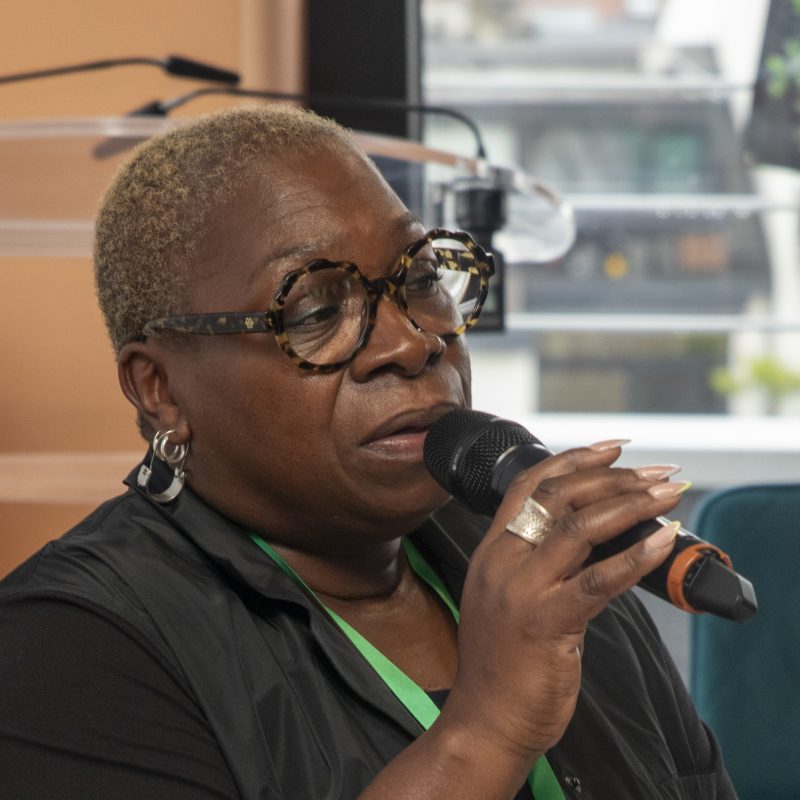
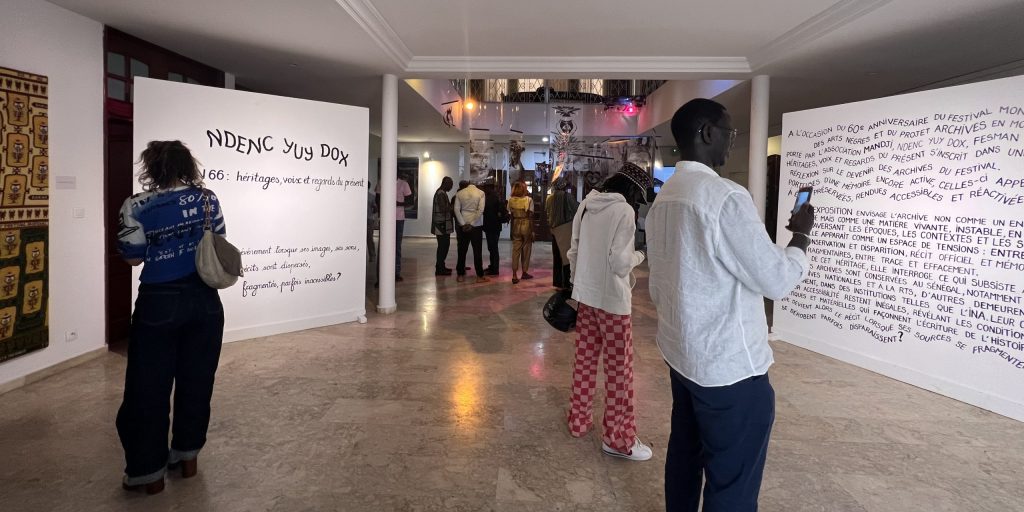
The project culminated in an exhibition at the Délégation Wallonie-Bruxelles in Dakar, alongside a musical and audiovisual performance and roundtable at the Maison de la Culture Douta Seck. The events explored archives, diaspora, heritage and memory and attracted over 750 attendees.
Evaluation activities captured feedback and lessons from the training, artistic residencies and public events. A digital platform was also created to preserve and share project results, archives and artistic productions.
Diaspora contribution
Keeping younger diaspora generations connected to their African heritage was at the heart of the project. Mandji's diaspora identity shaped the project from conception to implementation, reflecting its mission to build bridges between Africa and Europe through culture, education and heritage. The diaspora contributed at every stage of the project. Members of Mandji supported the selection and preparation of the FESMAN archives, coordinated activities with local partners and transferred archive digitisation skills alongside diaspora professionals. They also contributed to the artistic programme marking FESMAN’s 60th anniversary. By making the digitised archives available through Mandji's website, the project ensures that this shared cultural heritage remains accessible to communities in Senegal and across the diaspora.