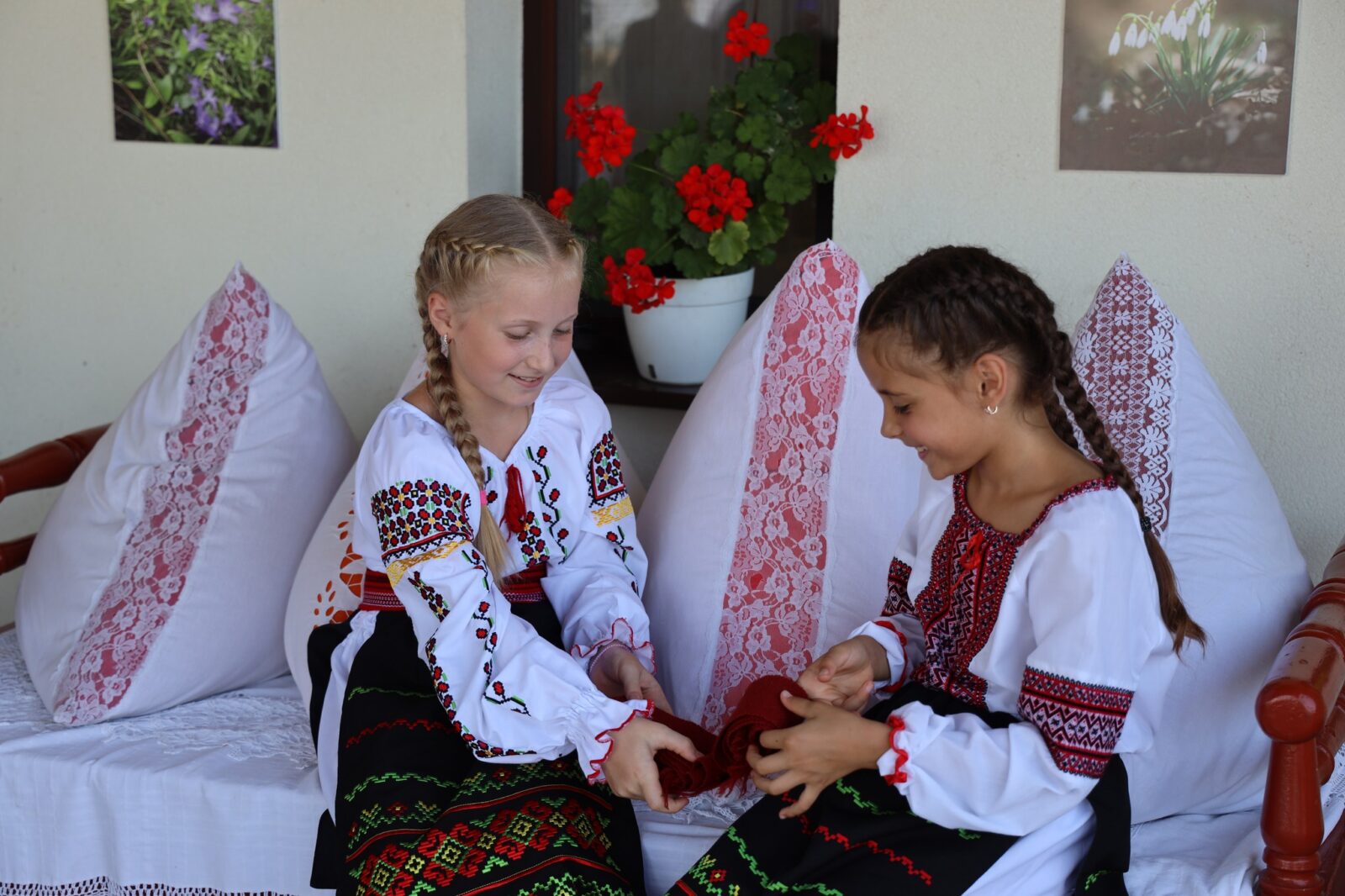
May marks the month of cultural diversity and dialogue. UNESCO’s campaign and the ‘EU Diversity Month’ call for reflection and action, reminding us that inclusion is something we actively build, not just celebrate. Migrants and diasporas bring essential voices into this conversation. Diana Hincu, EUDiF Senior Project Manager, explores this further in a new piece on diaspora and its role in cultural expression and diversity.
At 8:15 p.m. in Toulouse, a group of Pinays gather around home-cooked Filipino meals. They end the evening with a little sharon for later.
In Kenya, a voice note arrives in three languages.
In Dublin, a woman teaches her daughter a lullaby from a country she has never visited.
These moments—ordinary, almost invisible—are a form of cultural diplomacy.
Diaspora and migrant communities carry culture, reshape identity, and continuously negotiate heritage. Many are eager to share their traditions and creative expressions. At the same time, they often face questions around representation, language, identity, or “dual loyalty.” Adapting to a new country is never a small feat.
What does this tell us?
Diaspora life is often described through statistics, migration waves or policy debates. But in reality, it lives in kitchens, accents, missed funerals, playlists, recipes, parcels sent home and stories retold differently each year. At EUDiF, we see this constantly and our newly released zine explores this space: the fragile territory between departure and belonging. It looks at how diaspora voices shape cultural exchange, understanding and dialogue—often from the margins, but always in motion.
And yet, when someone shares a forgotten dish, a song or a story from home, something simple happens: connection. From there, ideas grow. Some become small initiatives. Others evolve into collaborations with museums, institutions or donors, turning memory into practice. Many of these cultural actors come to EUDiF seeking recognition, support or a platform. Increasingly, state institutions are asking the same question: how how can these exchanges be better supported, structured, and made visible? EUDiF often helps bridge that space.
Why this matters for cultural diversity?
I believe curiosity is often where cultural diversity begins. It starts with asking questions, listening and being open to different perspectives, including youth voices. Beyond this, it expands our understanding of culture itself, shifting migration from a “problem” to a possibility. UNESCO research and actions repeatedly show that intercultural understanding strengthens social cohesion, reduces conflict and creates opportunities for creative work. The cultural sector is also one of the largest employers of young people under 30. Youth in diaspora communities can bring new ideas, digital tools, and fresh perspectives that challenge existing paradigms.
Cultural diversity is also strengthened through everyday practice. Festivals, exhibitions and concerts matter, but culture is not only created in large events or institutions. It also lives in shared meals, dances, and books passed across borders. Technology now extends these spaces: a playlist shared across continents, a digital exhibition, a conversation carried through voice notes. Diaspora communities often turn these small gestures into meaningful cultural spaces—sometimes informal, sometimes structured into larger projects, but always impactful.
Finally, diaspora reveals culture and belonging as fluid, shaped through movement and exchange. They are not only participants in heritage; they are co-creators of it, wearing the hats of community anchors, innovators and cultural ambassadors in their own right. Across our work, we see how these ideas become projects: revived festivals, reimagined cultural routes, virtual museums and new partnerships between communities and institutions.
From Morocco to Moldova, our work shares practices, learnings and insights on how diaspora contributes to global cultures. After six years of working with diaspora communities on culture, heritage, and tourism, we have seen countless examples worth sharing.
Inspired by UNESCO’s “Do One Thing for Cultural Diversity” campaign, this zine is my small contribution. Through it, I share reflections on how diaspora communities carry, live and transform culture across continents—creatively and continuously—and why these everyday ways of doing so are worth noticing and valuing. A special thanks to Zeline, our diaspora youth intern, originally from Lesotho and based in Dublin, whose deep interest in this topic, personal experience and creative skills helped shape and design this piece.
Happy reading!