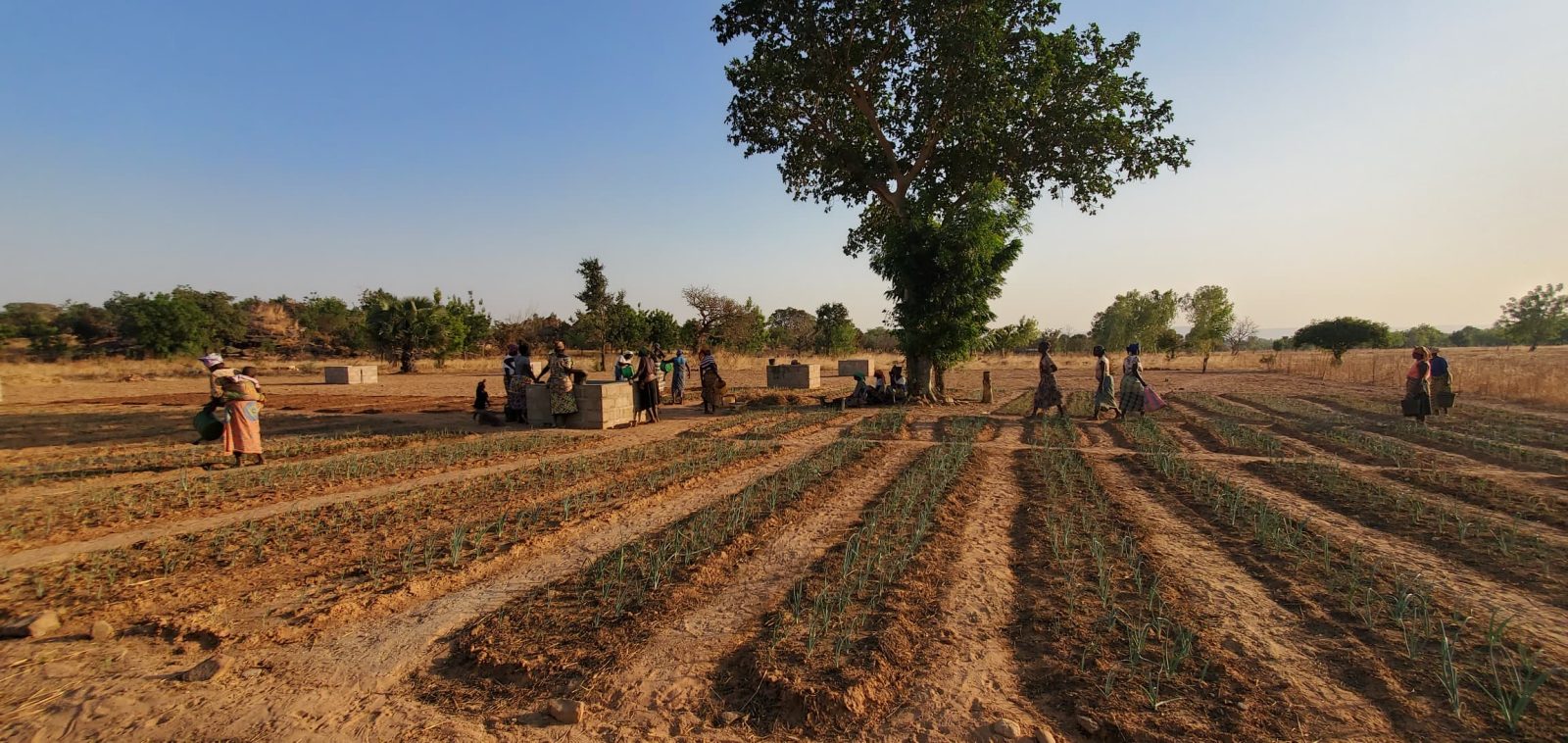
Avenir des Jeunes Filles de Dapaong (AJFD) and the Association pour la Promotion du Développement Intégral de la Femme (APDIF) are leading a project that combines infrastructure development, capacity building and the formation of a women’s cooperative to support sustainable vegetable production. Diaspora Youth Intern Zeline Dennis looks at how this emerging cooperative model on sustainable agriculture is strengthening economic resilience and expanding opportunities for young women in the Savanes.
In the rural village of Tossiogue, Togo’s remotest region, a young widow fights to keep the future of her family alive. She relies entirely on traditional vegetable farming to support her household and earn an income, but limited irrigation, extreme dry conditions and lack of basic tools limit her capacity to produce enough to meet her needs.
The Savanes represents about 15% of Togo’s land area, consisting of vast grassy plains, mountain ranges, and rivers that sustain ecosystems and agricultural needs of residents. For generations the region has experienced seasonal dances; dry temperatures and harmattan winds from November to April and a welcomed wet season from May to October. However, this seasonal dance has been greatly disrupted by climate change with the region experiencing more frequent and severe droughts as well as more intense erratic rainfall.
While climate change affects all agricultural productivity across the region, women are disproportionately affected by these changes due to existing inequalities in access to resources, land ownership and technical support.
AJFD AJFD in partnership with APDIF have created a cooperative model that aims to improve the livelihoods of 38 women by giving them tools, resources and skills for new farming practices to improve sustainable vegetable farming. This model presents the opportunity for women to have a collective organization that not only increases their income but ensures the sustainability of their investments.
Water powered by the sun
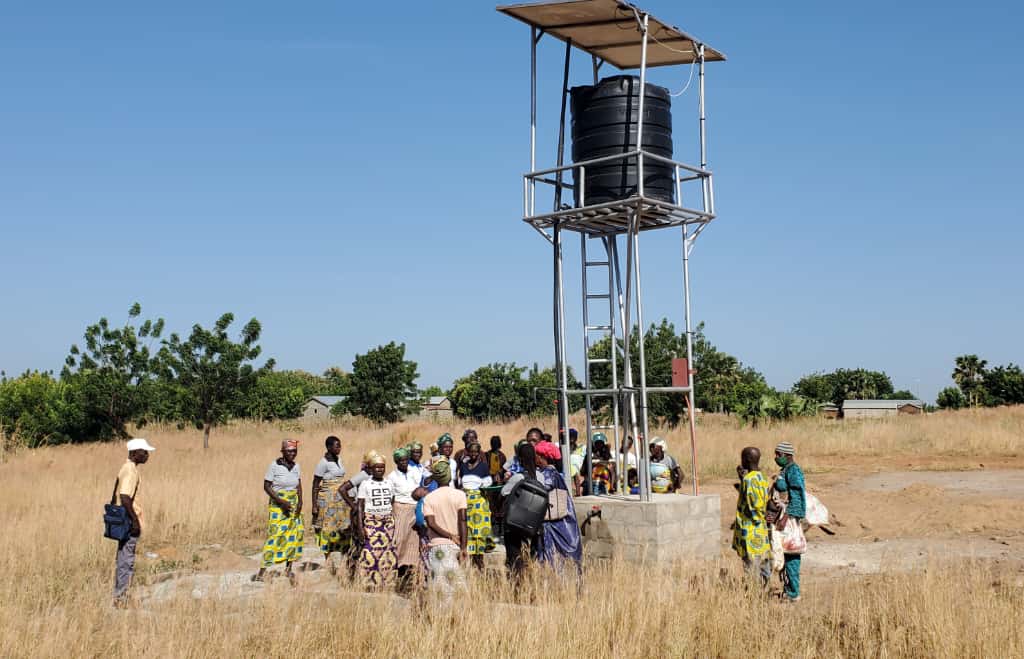
Launched in September 2025, this project sought to solve the most pressing barrier to agricultural productivity in the region: access to water.
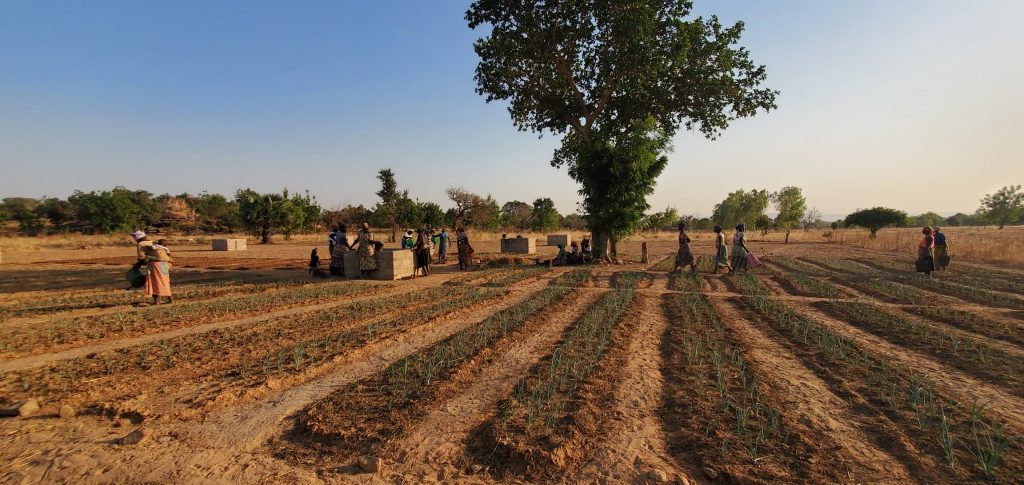
A solar powered well was constructed, six storage tanks were installed, and new irrigation systems were introduced, ensuring a reliable supply of clean, sustainable water and significantly improving how water is managed and distributed across the village. Through the construction of the new water infrastructure, the project ensured that individual plots were given to all 38 women for a vegetable garden. This has enabled year-round cultivation reducing dependence on seasonal rainfall.
“Before, we depended on the rains and often lost our crops. Today, water is available, and we can irrigate when needed.” – Member of the cooperative
Empowering women through skills development
Beyond infrastructure, women in the village expressed their need to gain skills in modern and sustainable farming practices and to learn how to better manage their economic activities.
Answering to this request, the project provided beneficiaries with training in agroecological farming techniques, including basic technical procedures such as soil preparation, seed selection and treatment and compost production. As of today, 90% of the women have mastered at least 80% of the agroecological techniques applied on-site.
According to Pascaline Toulose, the founder and president of AJFD, the three most widely adopted practices are: composting and the use of organic fertilizers, mulching to conserve moisture and crop rotation and adherence to the agricultural calendar. Meanwhile, financial literacy and cooperative management training has further empowered the women in administering their income effectively.
“Before the project, we farmed without any organization or specific techniques. Today, we know how to prepare compost and use water properly. We work together and feel stronger.” – Member of the cooperative
How does the cooperative work?
The cooperative has two main components:
General assembly: The cooperative is composed of 38 women who make up the annual general assembly. The general assembly serves as the supreme decision-making body and is responsible for all financial activities, electing members for the committee and approving collective organization rules. Decisions are conducted by a majority vote through a show of hands.
Site management committee: The elected management committee meets every Thursday with all members to oversee the vegetable farm, manage the day-to-day operations of the cooperative, and, when necessary, provide solutions to challenges faced by members. The committee also oversees the communal fund, created using 20% of the profits from vegetable sales, called the “3 Clés”, which is used to purchase seeds and pesticides, maintain the well and equipment, and replace worn-out agricultural tools.
The cooperative has been hugely beneficial for the farmers in multiple ways. Not only has it contributed to a reduction in productivity costs, but with a shared pool of resources now available to all the women, managing their work collectively has become far easier and more efficient.
Importantly, it has helped the beneficiaries form a community amongst themselves where decisions are made together, risks are shared and confidence is built. As a group they have more negotiating power, sell larger quantities of produce and negotiate better prices. All of this has led to a roughly 20% increase in their annual incomes, as well as making it more consistent. Operating as a cooperative has also increased their visibility and their influence in the village. They have been recognized by local authorities, the municipality and are in the process of registering their cooperative with the Ministry of Agriculture.
More than a model for agricultural production
This project is a driver in climate resilience, women empowerment and innovation. Through this model, women are placed at the centre of decision making and ownership and ensure that the inequalities are reduced. Sustainable agriculture in this case is more than a means of income; it is a stepping stone to building long-term resilience, confidence and agency empowerment.
In the long term, Pascaline hopes that the cooperative will one day open its doors to other women from the village of Tossiogue as well as from neighboring villages that have already expressed a desire to join.
“In Tossiogue, we planted seeds. What we harvested was the empowerment of 38 women. Help us sow these seeds across Togo — and why not, across the world” – Pascaline Toulouse, president of AJFD.