The SmartMobileClinic (SMC) project, led by the diaspora organisation Mapubi and supported through EUDiF’s Diaspora 4 Development (D4D) Grants, is expanding a telehealth platform in rural Cameroon in line with the government’s commitment to universal health coverage. By building a network of partners inside and outside the country, it aims to create a solution that can last beyond the grant.
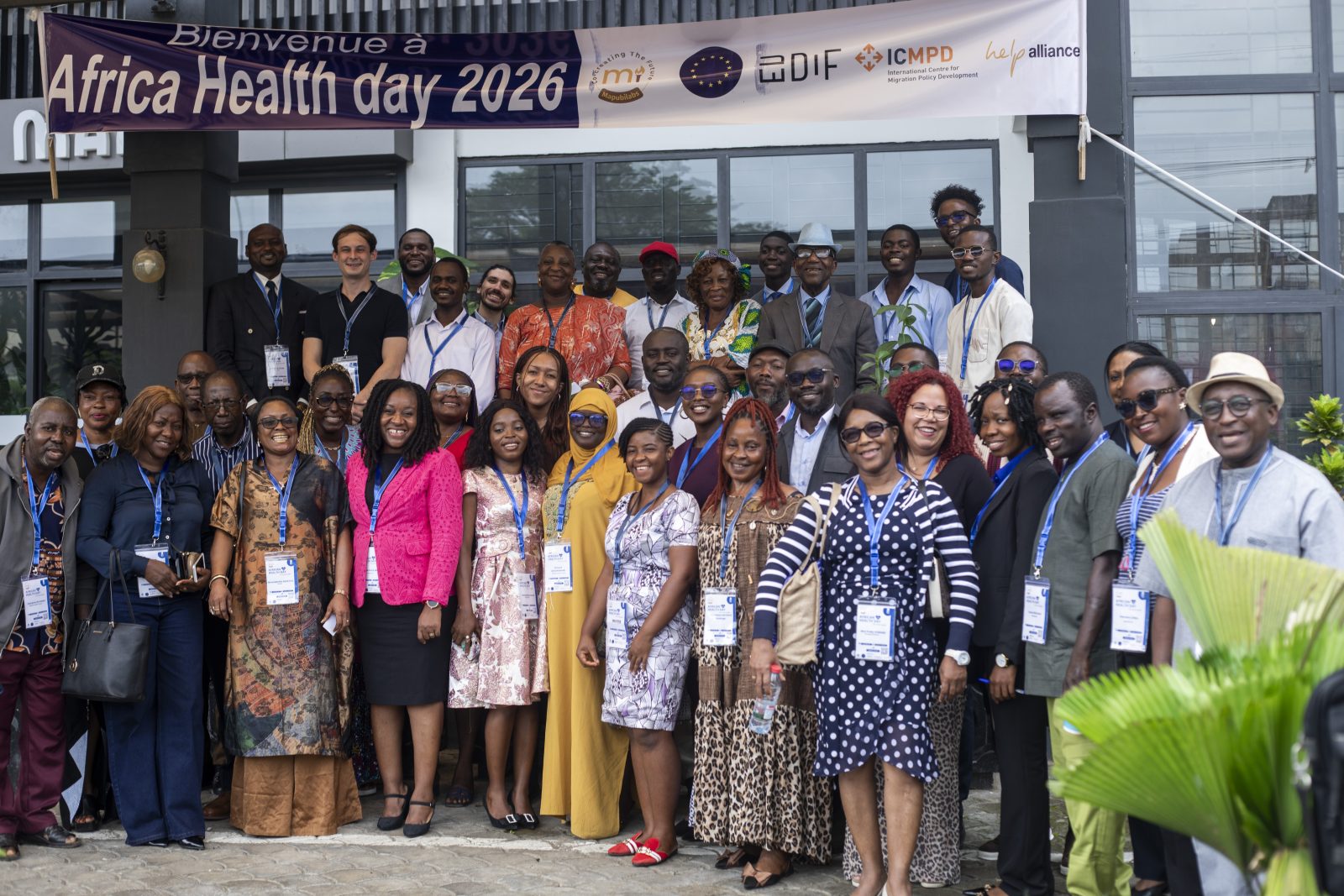
Partners from both sides came together on 8 October 2026 in Douala for Africa Health Day, a one-day conference to discuss access to healthcare and the sustainability of SMC. Mapubi and its partners welcomed around 40 healthcare workers, students and community leaders, alongside government representatives and international organisations, to show what the platform has achieved and discuss how to keep improving both the app and its integration into the national healthcare system. Communication Officer Nale Barbieri Pederiva met with project partners in Cameroon to learn more about how Mapubi incorporates sustainable practices into its project and shares his insights.
A national commitment, a local gap
In July 2023, Cameroon’s Ministry of Public Health launched its Universal Healthcare Policy, reinforcing a decentralised approach to widen access to care, particularly in rural areas. Yet operational and technical capacity at local level remains a challenge, and data collection and sharing between actors can be limited.
SMC was designed to address both at once. Launched in 2022 by Mapubi, a Germany-based, Cameroonian diaspora-led organisation, together with the Health and Research Organisation (HERO) Cameroon, the platform allows healthcare workers in rural settings to create and follow digital patient records, with remote support from a medical call centre. Through a D4D Grant, the current 18-month phase (September 2025 to February 2027) expands the service to new communities and strengthens the platform itself.
Involving local communities to build ownership
Rather than selecting villages from the outside, the project invited community leaders, mainly through WhatsApp groups, to express interest in hosting a healthcare campaign. It then trained 26 ‘multipliers’ (local trainers) from four regions, half of them women, who in turn pass on their skills to nurses and community helpers. This approach builds local ownership and spreads skills without creating a parallel structure.
This local involvement extends beyond adoption, through a regular feedback loop that improves the digital tool. Monthly online calls bring together developers, call centre staff, medical personnel and community representatives, and have led to concrete changes. For instance, after the first campaigns, healthcare workers reported that typing data quickly enough while attending large numbers of patients was difficult, so the team prioritised a simpler interface for nurses and community helpers. Users also asked for the app to suggest symptoms or diagnostic options to save doctors’ time, which is being considered for the planned artificial intelligence features.
Sustainability: the open question
Beyond the local communities, a key partnership in the project is the work with the public institutions, and especially with the Ministry of Public Health. Present at the Africa Health Day event, representatives of the Ministry of Public Health have recognised the project’s relevance to the national universal health coverage programme, and efforts to integrate the platform into it are under way.
The project has also built partnerships beyond the health sector, including coaching from the Cameroonian data analytics company Kaeyros Analytics through the Cameroonian Engineering Association in Germany (Verein Kamerunischer Ingenieure und Informatiker – VKII), which has strengthened the skills of the developer team.
Both of these partnerships show an interest and effort to ensure that the positive results last beyond the project cycle and fit local conditions.
The diaspora difference
The project illustrates a pattern seen across D4D projects: diaspora organisations work through existing structures such as health centres, local NGOs and ministries, and combine international technical standards with local delivery.
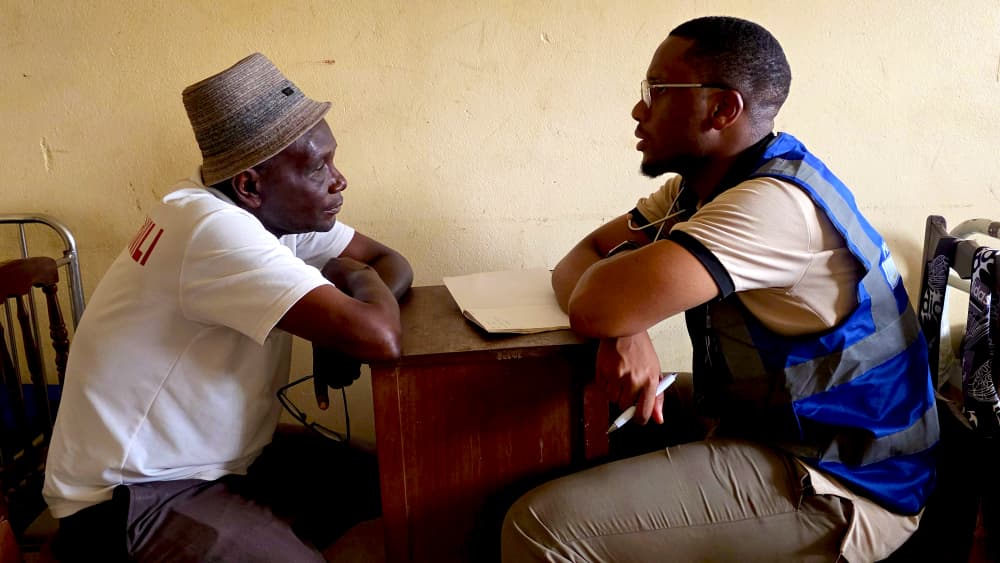
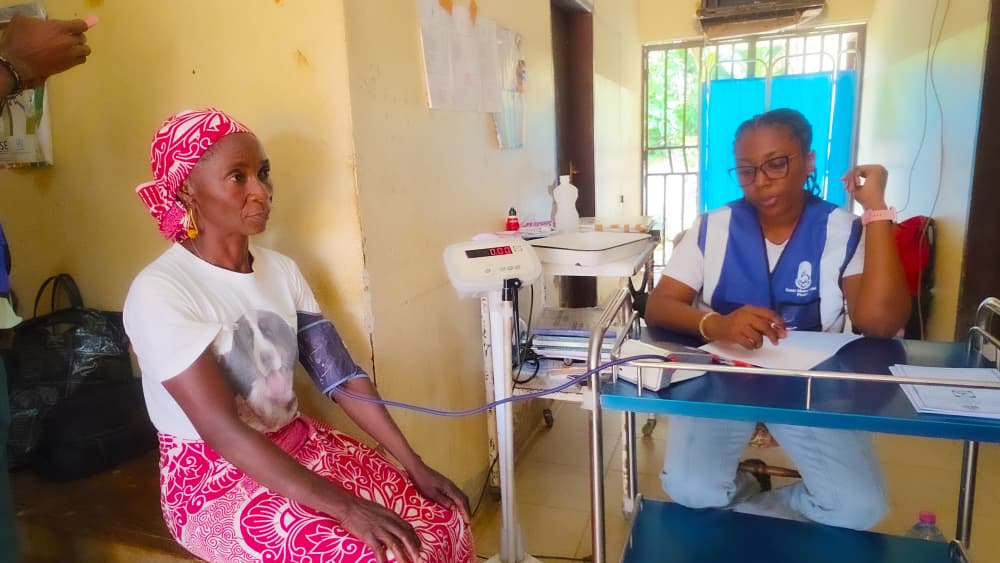
Nine rural campaigns have taken place so far, providing free general- and specialist- consultations, screenings, children- and women’s health services, free medication and referrals. The nine campaigns documented to date reached more than 1500 people. Some 60% of the villages supported had no doctor of their own. In these places, nurses and community helpers relied on standardised procedures and the remote call centre.
One example comes from Bwassa, where a farmer with no previous diagnosis attended a routine consultation and was found to have dangerously high blood pressure. He received counselling and a referral for specialist care. Conditions like this are easy to miss where regular check-ups are out of reach. The campaigns also exposed constraints, including heavy rainfall, difficult transport, limited medical supplies and unreliable internet connections.
The project runs until February 2027. Whether it becomes a lasting part of Cameroon’s health system will depend on the partnerships being built now, and the lessons it generates are already useful for other diaspora organisations working on health.