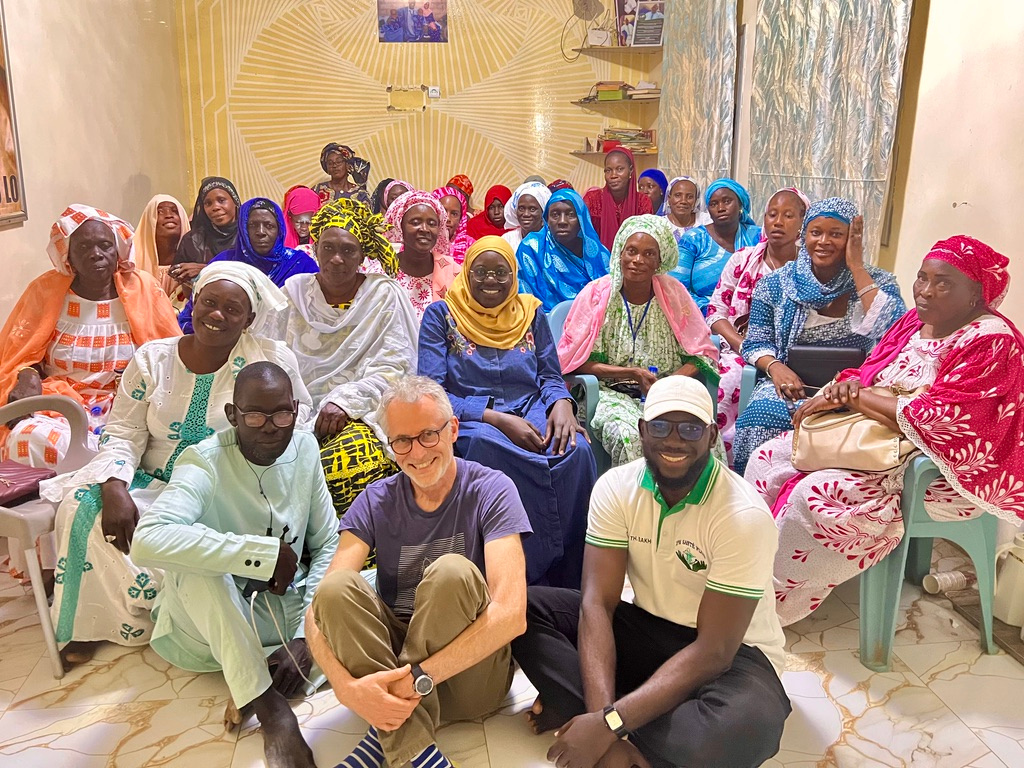
Since September 2025, SenHandiCare has been carrying out a D4D Grants project set out to improve healthcare access, caregiver autonomy and social inclusion for children living with disabilities in Touba, Senegal. With five months left to run, “I have access to healthcare, I am fulfilled” has given a clear sense of what a diaspora-rooted, community-based approach to disability and health can deliver.
Personalised accompaniment
Twelve children living with disabilities in Touba, from infants to teenagers, are now enrolled in individualised care pathways, each with a complete medical file and a monthly follow-up visit with SenHandiCare’s coordinating doctor. Five began this journey during an earlier pilot phase supported by FORIM and Agence Française du Développement; four more joined more between November and December 2025, and the project continues to bring new children on board as it moves through its final months.
To keep costs from standing between children and care, SenHandiCare partnered with IPM Santé Plus to settle medical bills directly with the health network rather than requiring families to pay upfront.
The project also mobilised far more medical equipment than planned, including wheelchairs, walkers, anti-pressure-sore mattresses, crutches and more to reach well beyond the number of children first envisioned. Much of this equipment was collected and shipped by fellow diaspora association Asamaan Smile, another example of the diaspora contributions that underpins the project.
Supporting mothers and caregivers
Recognising that mothers and other caregivers are often a child’s first and most constant source of care, SenHandiCare launched therapeutic education workshops and a WhatsApp-based peer support network, or “groupe de parole“. Sessions have covered safe positioning during meals, nutrition and food texture especially during heatwaves, hygiene and pressure-sore prevention, and stretching routines for children with cerebral palsy.
One mother turned to SenHandiCare after her infant daughter who was born prematurely and living with hydrocephalus following meningitis needed surgery the family could not afford. Since joining the project, the operation was successful, and the child now receives regular physiotherapy while the mother receives practical guidance from the coordinating doctor on nutrition and positioning at home.
Partnerships = Possibilities
This action would not be possible without the partnerships established. Handicap Ça Kanam opened the door to Touba’s communities and authorities, and its affiliate Aidons Les Enfants Handicapés has helped identify children and organise logistics on the ground. The Touba health district is lending its facilities and legitimacy to consultations and trainings and has committed a doctor to issue the disability certificates children need to enroll in Senegal’s carte d’égalité des chances, an equal-opportunity card that would give them free access to care well beyond the life of the project. Handissables, a French association active near Mbour, helped deliver fast, low-cost orthopedic prosthetics to one beneficiary. And within SenHandiCare itself, diaspora members drive nearly every part of the work, from project coordination to communications materials to technical and financial support.
“I never thought I’d be able to walk again! It’s a dream come true, thanks to SenHandiCare. Thanks to your support, I was able to get prosthetics, and I’ll be forever grateful to you.”
– Beneficiary of the project
Five months to the finish line
As the project enters its last five months, SenHandiCare’s priorities are clear: finish bringing the last children into individualised care pathways; keep up the monthly medical follow-up and caregiver peer-support sessions that are already changing daily life at home; and advance conversations with health authorities on institutionalising the model, including equal-opportunity card enrolment, a planned multidisciplinary care centre and access to Senegal’s universal health coverage scheme. In its final months, the project will also begin a formal evaluation and capitalisation process to draw out lessons that can inform future editions of this work.
Discover more of SenHandiCare’s work through this video: