Across our portfolio, women’s empowerment stands out as a strong and consistent priority. On the occasion of International Women’s Day, Acacia Polatian, Grants Officer at the European Union Global Diaspora Facility (EUDiF), reviews the portfolio from a unique vantage point that goes beyond individual projects, revealing the diverse strategies diaspora organisations are adopting to advance women’s empowerment across regions, sectors and communities.
What becomes clear is that there is no single model. From climate-smart agriculture in coastal Bangladesh to renewable energy training in rural Colombia, each initiative is carefully tailored to local realities — responding to structural barriers, cultural norms, market conditions and community needs and priorities. Whether through cooperative leadership, digital tools, mentorship, peer learning or technical training, diaspora organisations are designing context-sensitive solutions that place women not just as beneficiaries, but as decision-makers, producers, innovators and leaders.
This piece shares eight examples from the EUDiF portfolio that illustrate how diaspora organisations are advancing women’s empowerment in practical and transformative ways. By highlighting these approaches, we aim to surface good practices, inspire cross-learning and showcase the added value diaspora actors bring to sustainable and inclusive development worldwide.
Leading climate resilience
On Bangladesh’s climate-exposed coast, women farmers are no longer passive victims of salinity — they are decision-makers driving adaptation. Through digital salinity monitoring tools and hands-on training, Aloghar Support Group (ASG) equips farmer couples with real-time data and practical techniques to select resilient crops and manage irrigation, including sessions on inclusive farming decision-making. Trainings are designed around women’s schedules and literacy levels, ensuring access and retention.
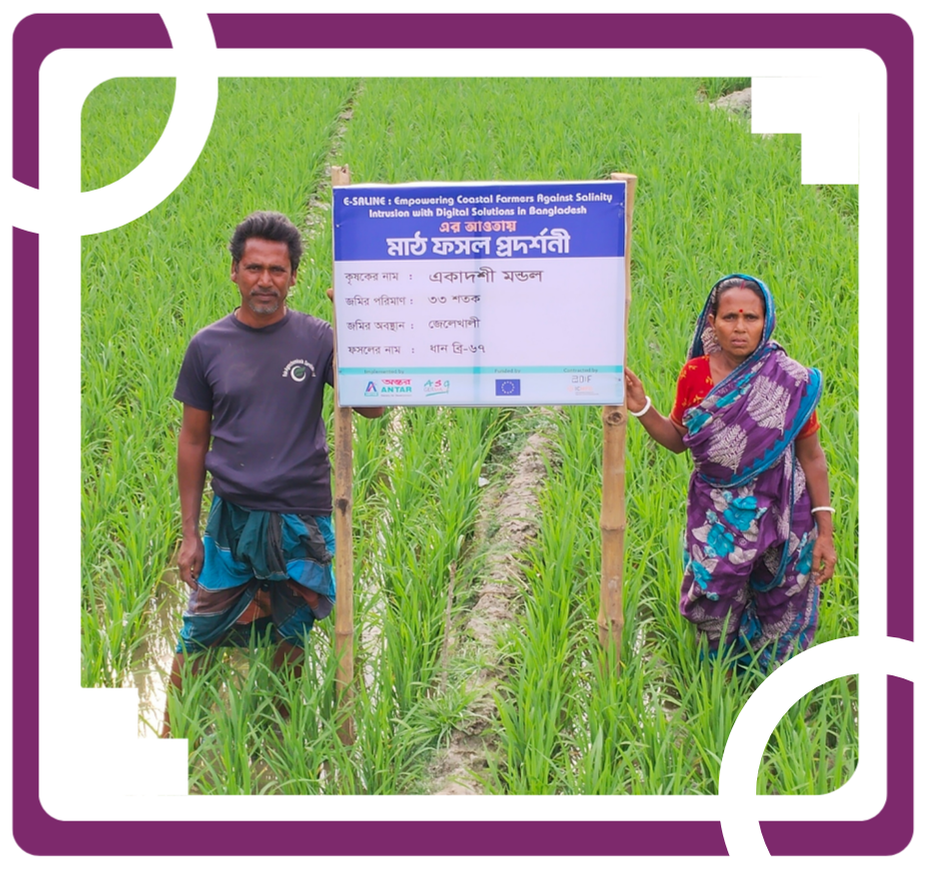
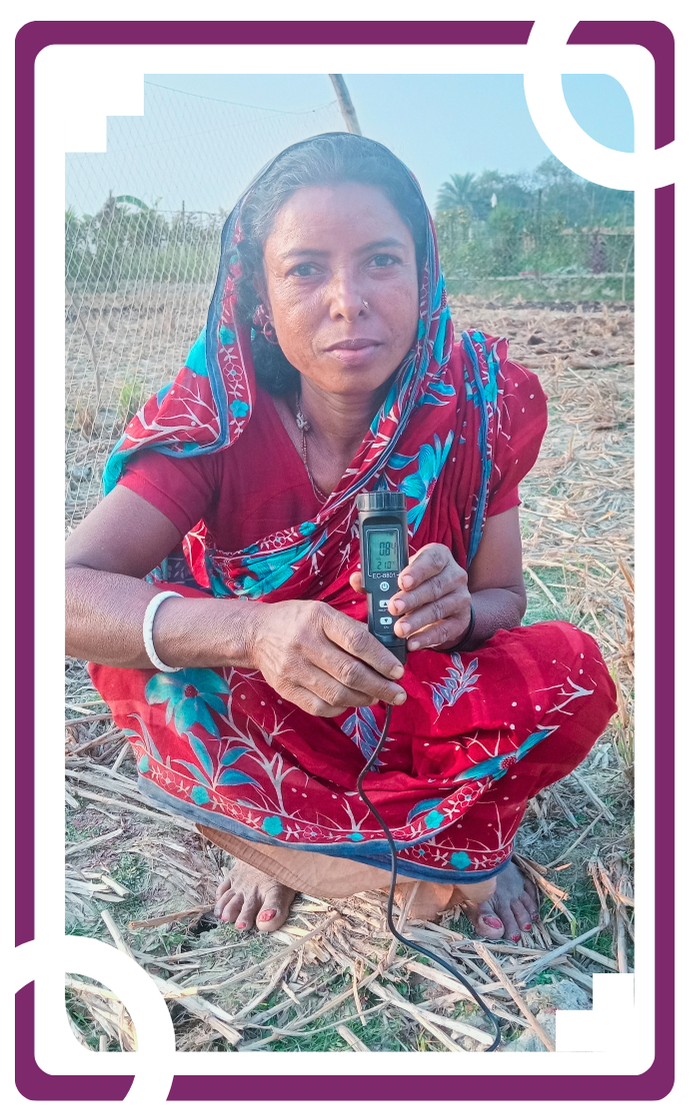
After completing the training, it was the women farmers who received the incentive packages of seeds and fertilisers, placing productive resources directly in their hands. By entrusting women with the inputs needed for the next planting season, the project reinforced their role in deciding what to grow and how to invest. In communities where farming decisions are often male-dominated, this simple but strategic choice sends a powerful message: women are not just supporting agricultural resilience, they are leading it.
“Before, we planted based on guesswork, and the results were uncertain. Now we understand which seeds are suitable for this saline soil and can make informed decisions. Also, this time, my husband discussed with me which type of crop to produce—something that did not usually happen in the past.”
— Lipika Hulia, Smallholder Farmer, Shyamnagar, Satkhira district
Powering a health learning revolution
In the rolling hills of Burundi, information can mean the difference between life and death. With that in mind, this project did more than share health messages — it built a women-led learning movement. On each colline, local Abaremeshakiyago facilitators lead discussions on reproductive and maternal health, creating trusted spaces for open conversation. Through 600 peer educators, more than 4,000 women have been sensitised
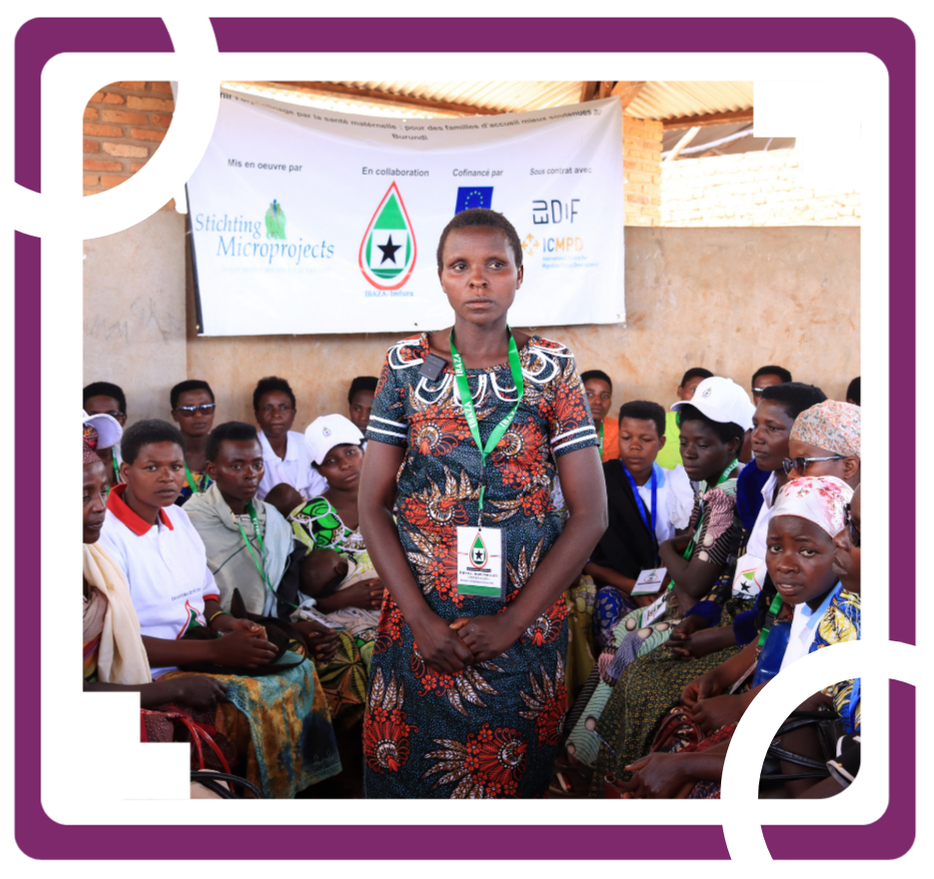
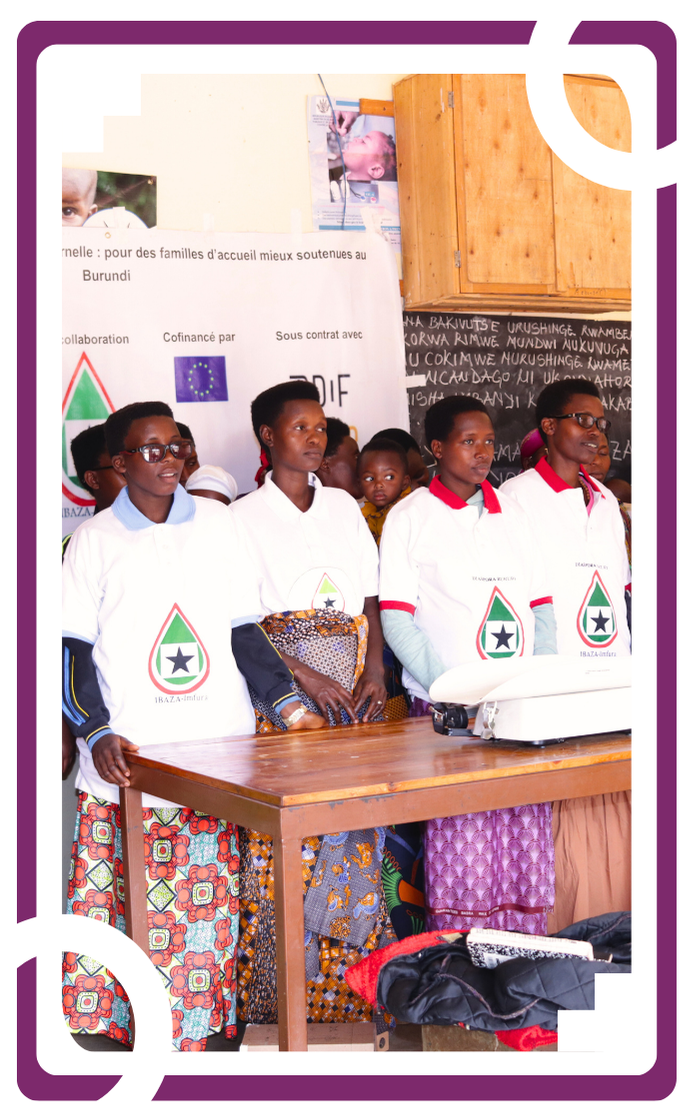
The learning does not stop there. On WhatsApp, young women actively share infographics and key messages, creating a powerful ripple effect that reaches an estimated 25,000 people. Here, women are not just recipients of information, they are teachers, messengers, and leaders. Each time they repeat what they have learnt, the knowledge takes deeper root in themselves, in their families, and in their communities.
I heard about the signs of eclampsia three times: first from the Abaremeshakiyago, then my daughter repeated it to me, and finally my niece sent me the infographic on WhatsApp. The third time, I understood. Now, when I explain it to others, I never forget — teaching is truly learning.”
— Ndikuriyo, 34, mother of five, Condi
Driving the circular economy
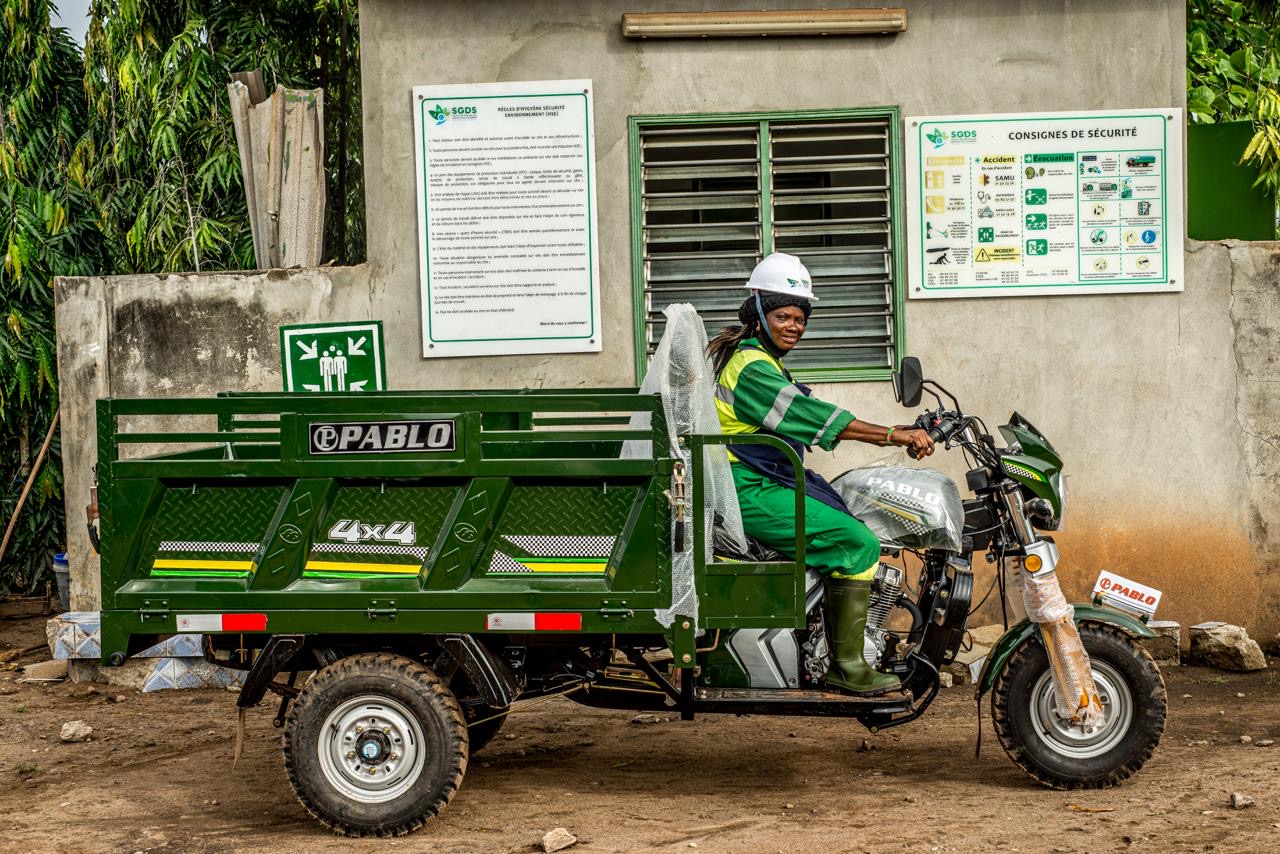
In Porto-Novo, recycling has become a pathway to dignity and leadership for women. For years, many worked informally as street waste collectors — invisible, unprotected and excluded from decision making. When Benin reformed its national waste management system in 2020, the sector was restructured but the women who had long carried out this work were left out.
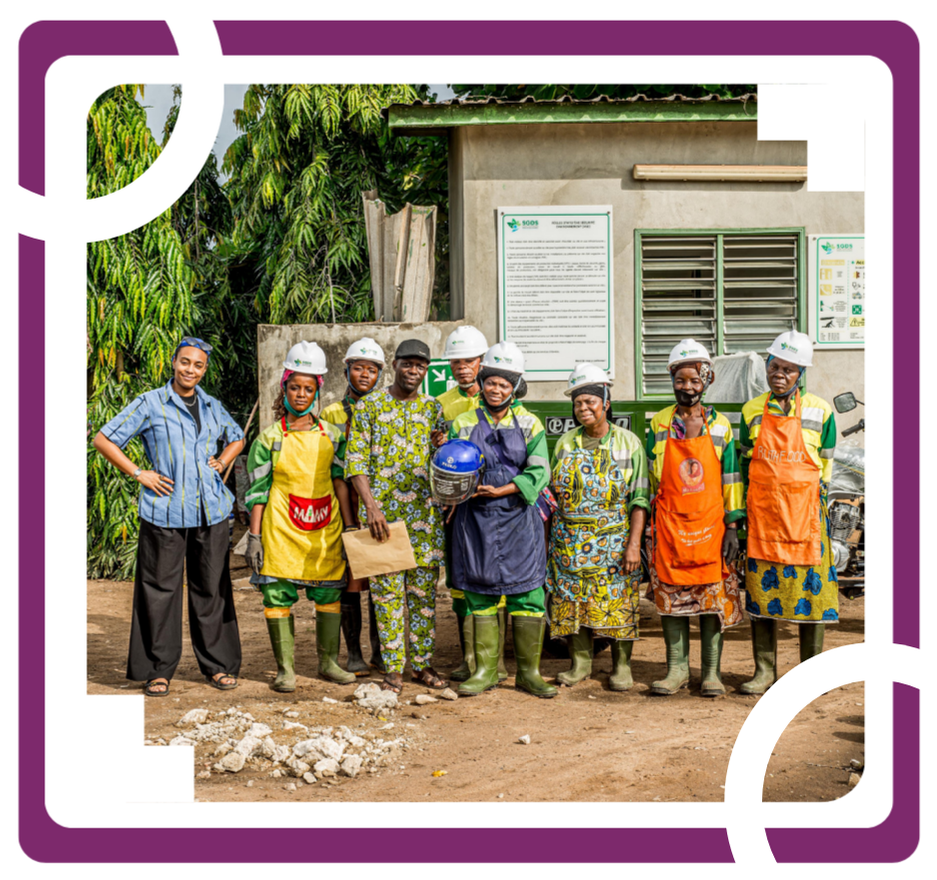
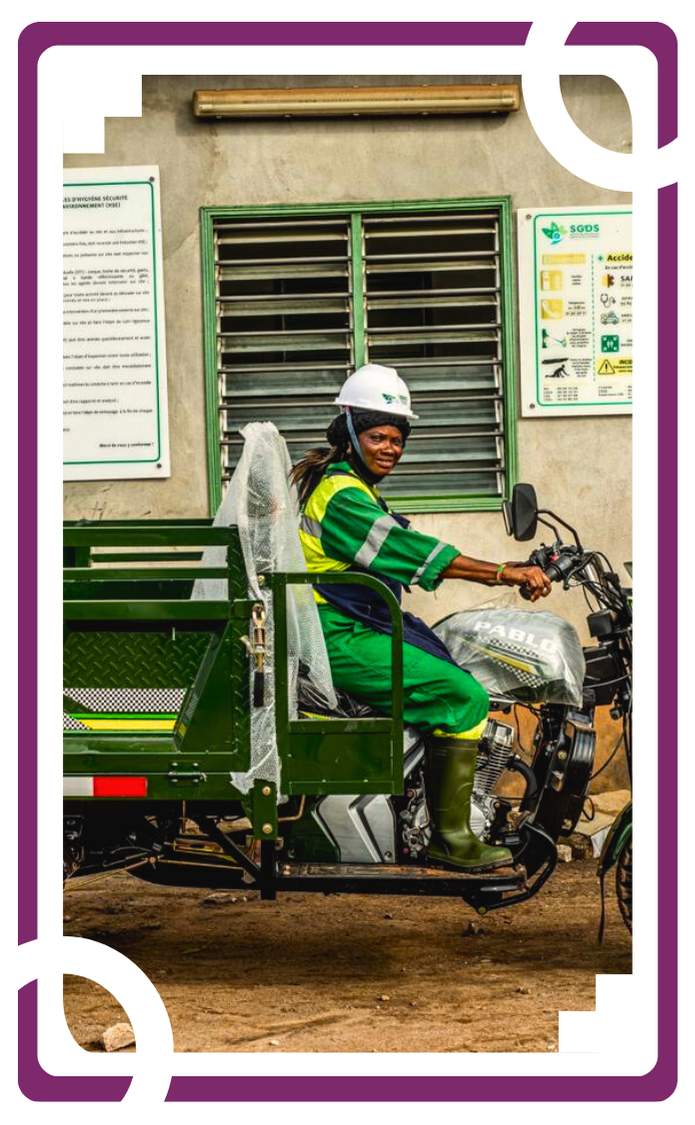
Through Gbobètô (meaning “garbage collector” in the local Goun language), they were brought back in – this time on their own terms. An all-female cooperative was formed, integrating former informal workers into the city’s waste management system as trained waste sorters. Today, their work is declared, safer and better paid. Equipped with protective gear, technical training and cooperative governance structures, they manage collection, sorting and recycling operations with professionalism and pride. What was once survival work is now recognised labour and women who were previously invisible are leading a cleaner, more inclusive circular economy.
“With every piece of waste we collect, we feel that we are helping make the city and the community cleaner while earning a living from our work.”
— Léa Koyo, President of the Tokpota waste pickers cooperative
Cultivating economic independence
Women from the Dakal-soun group are learning not only how to improve soil health and increase yields, but also how to manage income, keep financial records and run a cooperative. With Avenir des Jeunes Filles de Dapaong’s support, the cooperative has been formally registered and now has a clear management structure — giving women legal recognition, decision making authority and control over profits.
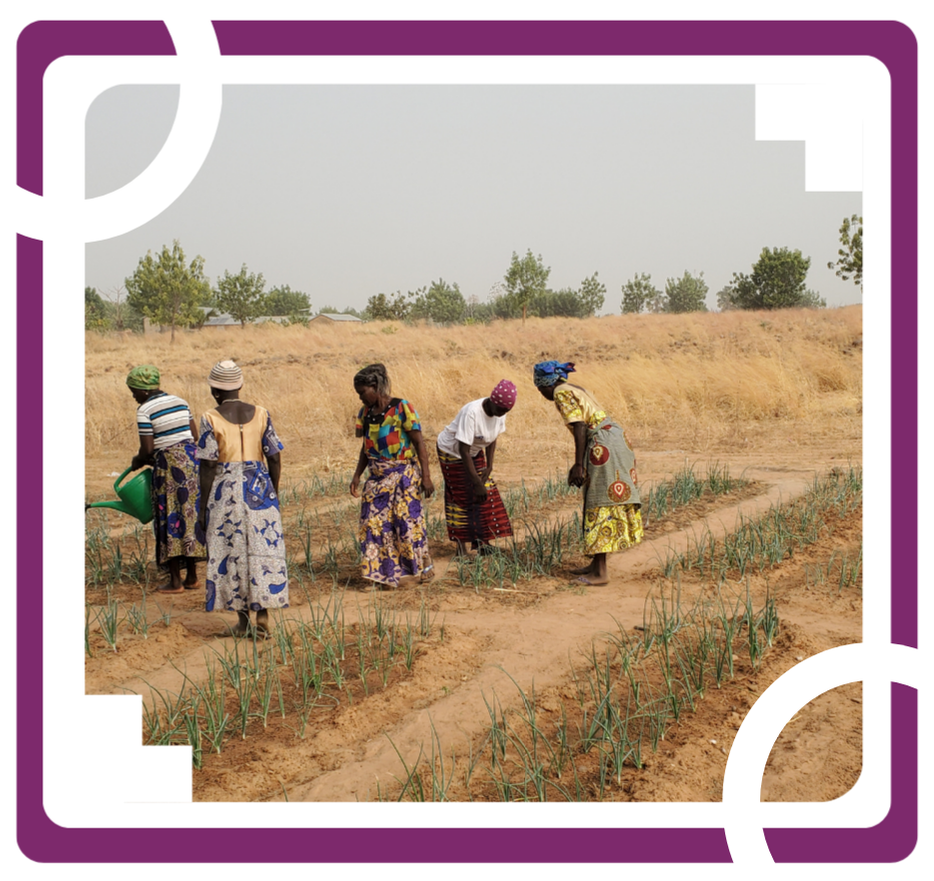
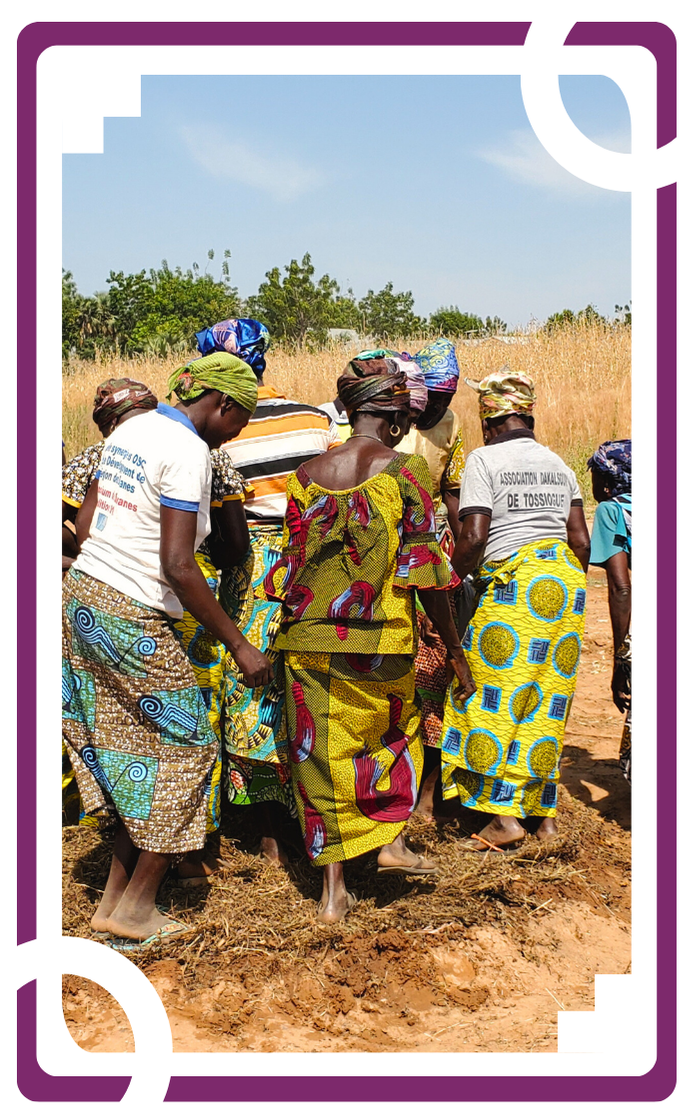
Coupled with the development of a dedicated gardening site and access to water through a solar-powered borehole, women can produce more consistently and earn more reliably. This integrated model places women in control of both production and profit. Beyond increasing income, it strengthens their role in household and community decision-making, reinforcing their economic autonomy and social standing.
“Thanks to the infrastructure in place, and the equipment and training we have received, I am certain that I will be able to grow my market gardening activity and improve my income to better support my children and family. But more than that, this project has given me a sense of autonomy and self-confidence I have never known before. ”
— Lare Kinansoa, Secretary of the Dakalsoun Cooperative, Tossiogué
Shaping mushroom innovation
In Zimbabwe, women are transforming the mushroom sector — moving beyond production to scientific leadership. The project strengthens local capacities in spawn production, quality control and enterprise development, in partnership with scientific institutions. By establishing Centres of Expertise that produce reliable spawn locally, the initiative boosts productivity, stabilises supply and reduces dependence on imported inputs.
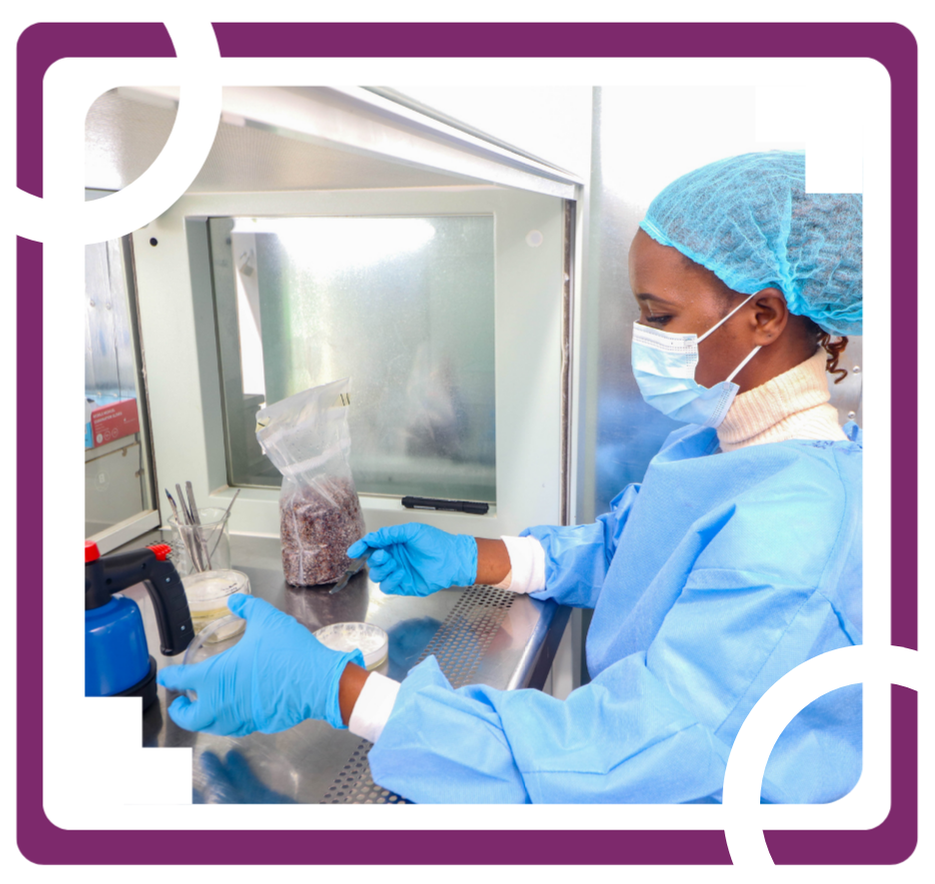
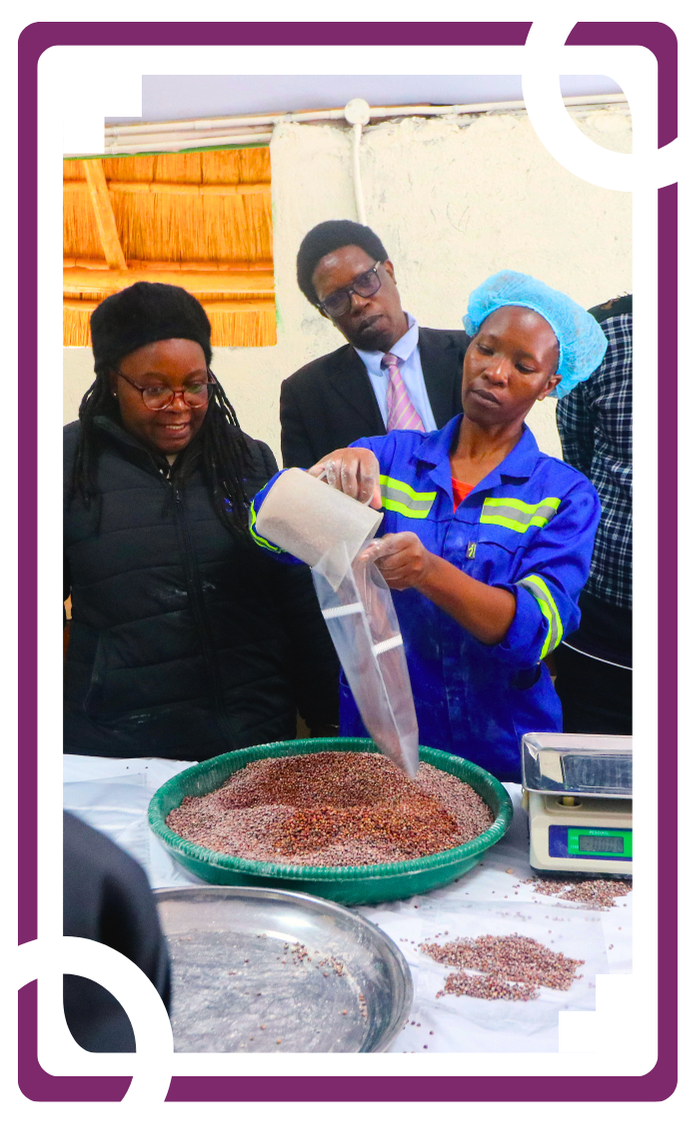
Women and girls make up 70% of beneficiaries, receiving hands-on training and coaching that equips them to run businesses and step into technical roles. Sethukile Moyo’s journey illustrates this impact: she joined the Future of Hope Foundation as a trainee in 2013 and now serves as Lab Technician, overseeing spawn production and mentoring other women. This approach not only increases incomes and household food security but also positions women as leaders and innovators within the sector. By combining technical skills, enterprise support and mentorship, the project ensures that women are not just growers — they are the custodians of quality and drivers of change in Zimbabwe’s mushroom industry.
“As a young woman, I am proud that my work in the spawn laboratory is raising the quality of mushroom production across Zimbabwe—helping women, girls and households achieve greater productivity, income and economic independence.”
— Sethukile Moyo, The Future of Hope Foundation Lab Technician
Leading the energy transition in Colombia
In rural Colombia, the energy transition is being built and women are at the forefront of it. Kunstrial’s unique gender and energy access approach integrates an inclusive cross-cutting perspective into renewable energy training, ensuring that women are not just included, but central to the process. More than half of certified participants are women — a deliberate choice to challenge traditional STEM stereotypes and open pathways to green jobs. Across five schools in Cundinamarca, Cesar and Valle del Cauca, over 130 community members — primarily women — have already completed certified training in solar energy and sustainability. More than 250 students are now learning to design and install photovoltaic systems and energy storage solutions in their own schools.
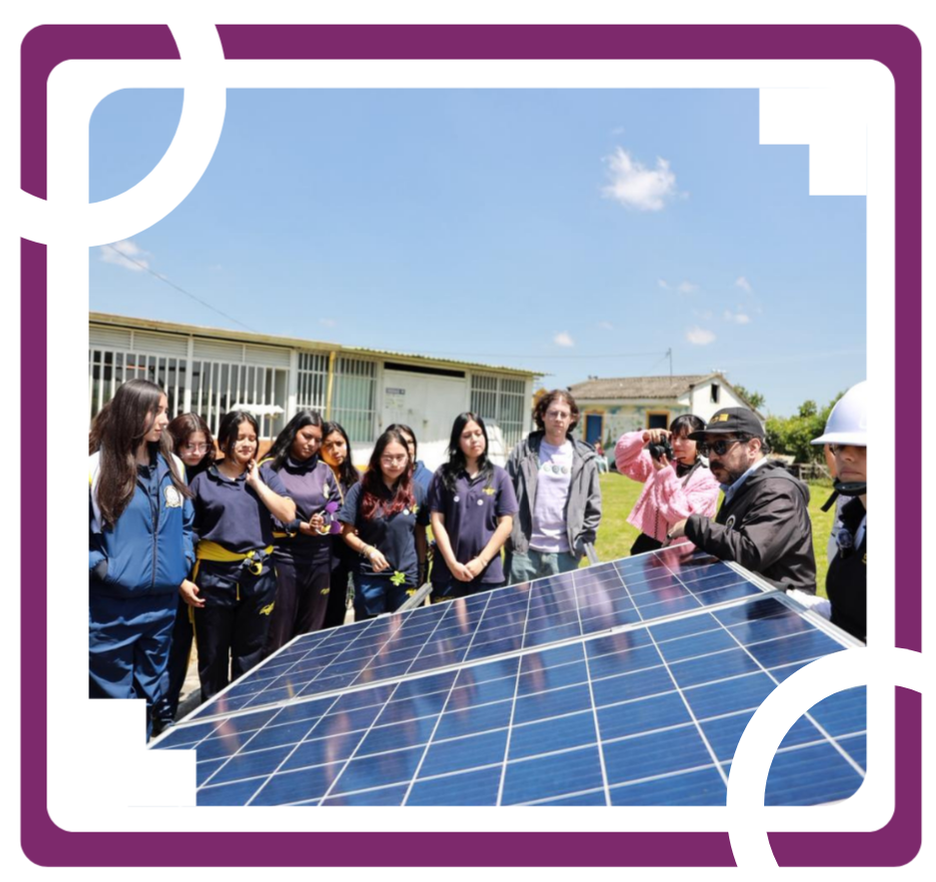
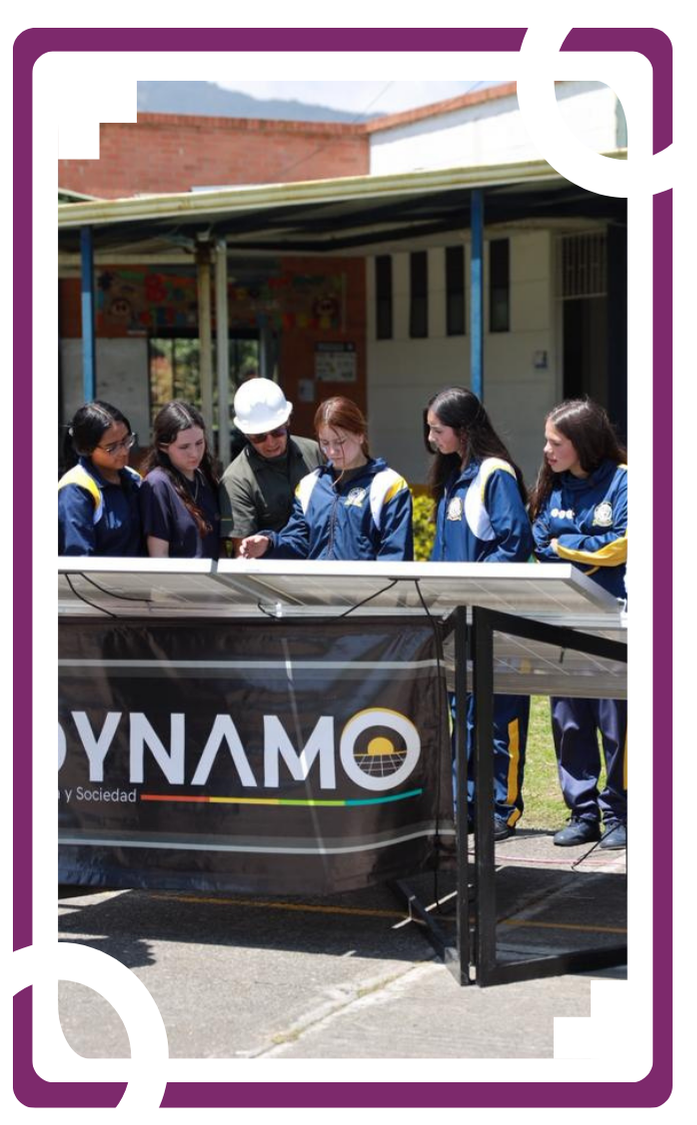
What makes this approach transformative is ownership. Rural women, including school directors, staff and members of the training team have been involved since the project’s inception. Today, women are not just studying solar systems; they are designing, installing and maintaining them. In doing so, they are shifting perceptions of who can be an engineer, a technician, a leader. This is not just about access to clean energy. It is about ensuring that the green transition is also a gender-just transition, where women are owners, producers and technical decision-makers.
“My contribution to the energy transition is to bridge the gap in knowledge regarding renewable energies and sustainability, primarily to empower women and youth in rural communities while serving as a blueprint for women empowerment”.
— Martha Castro, Team Leader Dynamo Projects, Facatativá, Colombia
Turning skills into sustainable businesses
On the island of Santiago, many women sustain their families through small, informal entrepreneurial activities, often without technical support, financial structure or growth opportunities. EmpowHER was designed as a response to this structural reality. Rather than offering one-off training, the project built a comprehensive support pathway. Women received hands-on training in agro-processing and value addition, alongside financial management and administrative skills to structure their businesses properly. Digital skills were integrated to strengthen market access and visibility.
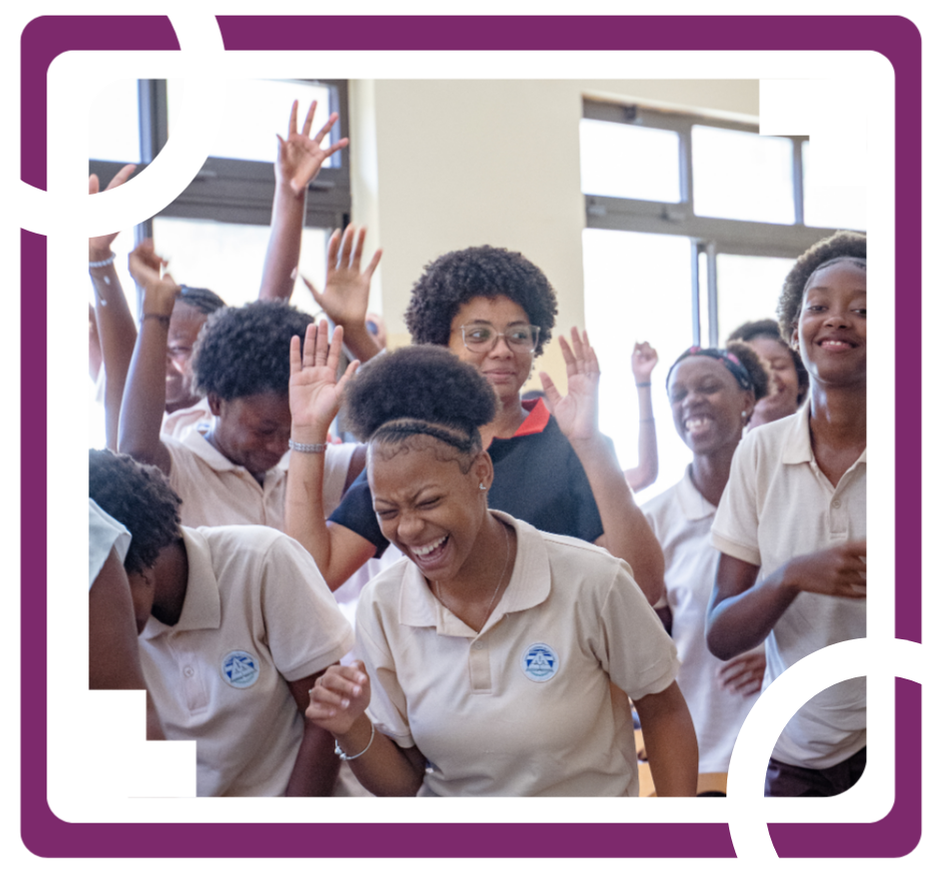
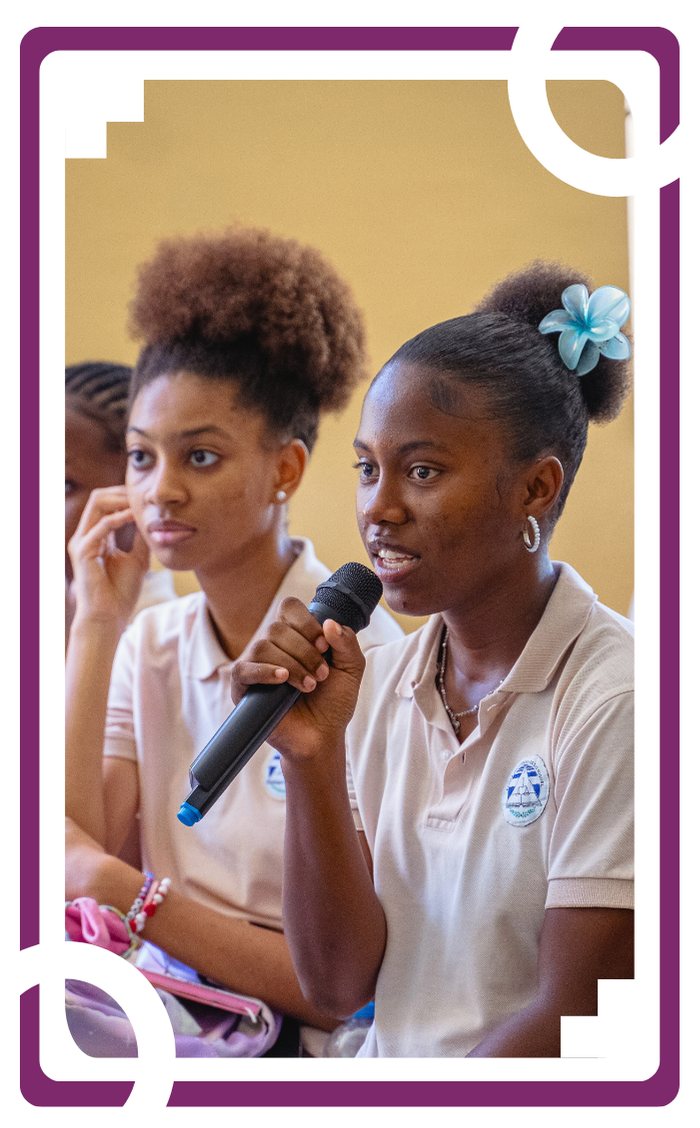
What truly sets EmpowHER apart is its personalised mentorship model. Each participant was accompanied step by step — from awareness-raising to business consolidation — with guidance from diaspora entrepreneurs who shared expertise, networks and real-world experience. Combined with start-up capital and strategic follow-up, this holistic support enables women to transition from informal subsistence activities to structured micro-enterprises.
Beyond increased income, participants have gained confidence, leadership and recognition as economic actors in their communities, hence strengthening both household resilience and local development.
“I believe that food is the foundation of a healthy and balanced life. Through this training— I have gained practical skills that bring me closer to my dream: starting my own healthy food business and promoting better eating habits within my community”.
— Marlene Varela, food entrepreneur and program participant
Creating spaces where women are heard
In Kyrgyzstan, the Kurak Voices initiative draws inspiration from the traditional “kurak” patchwork, where different pieces are stitched together to create a strong and meaningful whole. In the same way, the project brings together diverse voices, experiences and generations of women to strengthen community dialogue. In a country where traditional norms often limit women’s voices in public life, the Kurak Voices initiative took an innovative path: it built on existing community networks to create safe, inclusive spaces for dialogue.
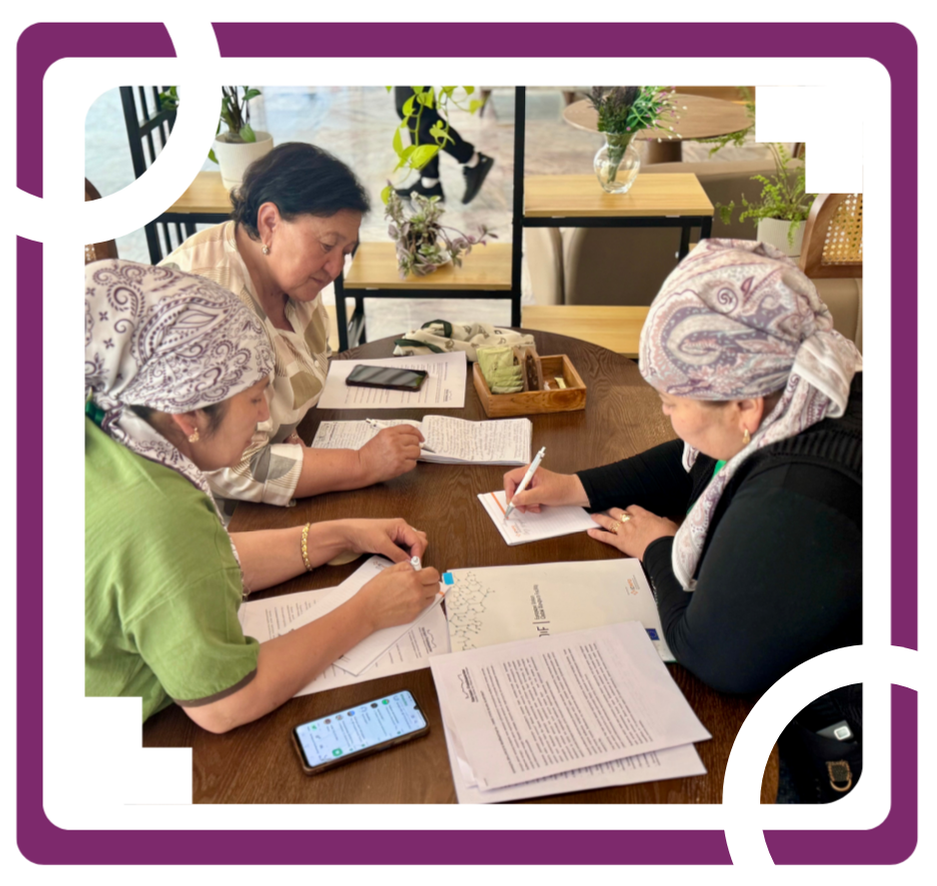
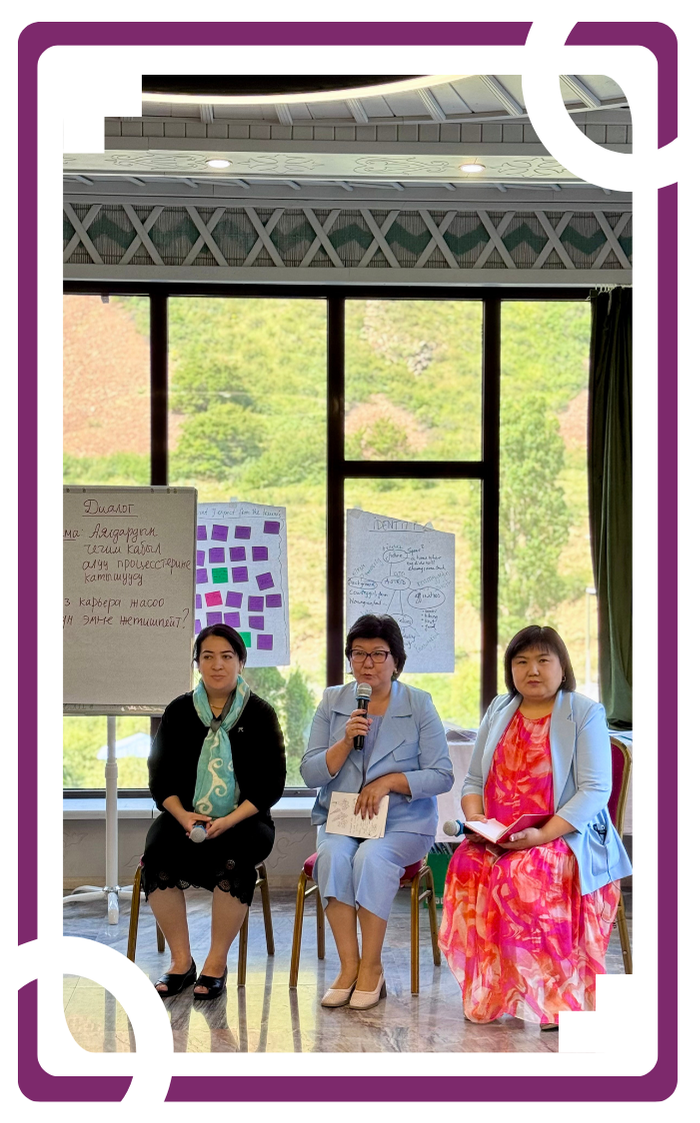
Rather than bringing in external facilitators, the project strengthened the capacities of trusted local leaders — people already known and respected in their villages — to become facilitators of inclusive public dialogue. These trained leaders brought women together in settings where they felt comfortable speaking openly about issues that matter to them, from rights and safety to livelihood challenges. Over 800 community members — especially women from remote areas — have taken part in these dialogues, significantly widening participation in local conversations.
The project also introduced the Kurak Voices Toolkit, a flexible set of facilitation methods that helps local facilitators create respectful and empowering dialogue spaces tailored to their context. By rooting the approach in local structures and relationships of trust, the initiative ensured that empowered women could not only speak but also be heard.
“Dialogue encourages deep changes in people’s mindset. When women are heard, their confidence grows — and this changes behaviour”
— Dialogue facilitator