On International Day of Persons with Disabilities, Hala Tarabay, Diaspora Relations Lead, highlights how a diaspora-led project funded by EUDiF’s Diaspora 4 Development (D4D) Grants contributes to strengthening inclusive healthcare systems in Senegal by bringing care to children living with disabilities in Touba.
In Touba, the heart of Senegal’s Diourbel region, families raising children with disabilities face a quiet but persistent struggle. Despite a national law guaranteeing access to medical care, the reality on the ground tells a different story, one shaped by long waiting times, high costs, and deep-rooted social stigma. Here, as in many parts of the world, disability is often misunderstood, isolating both children and their caregivers.
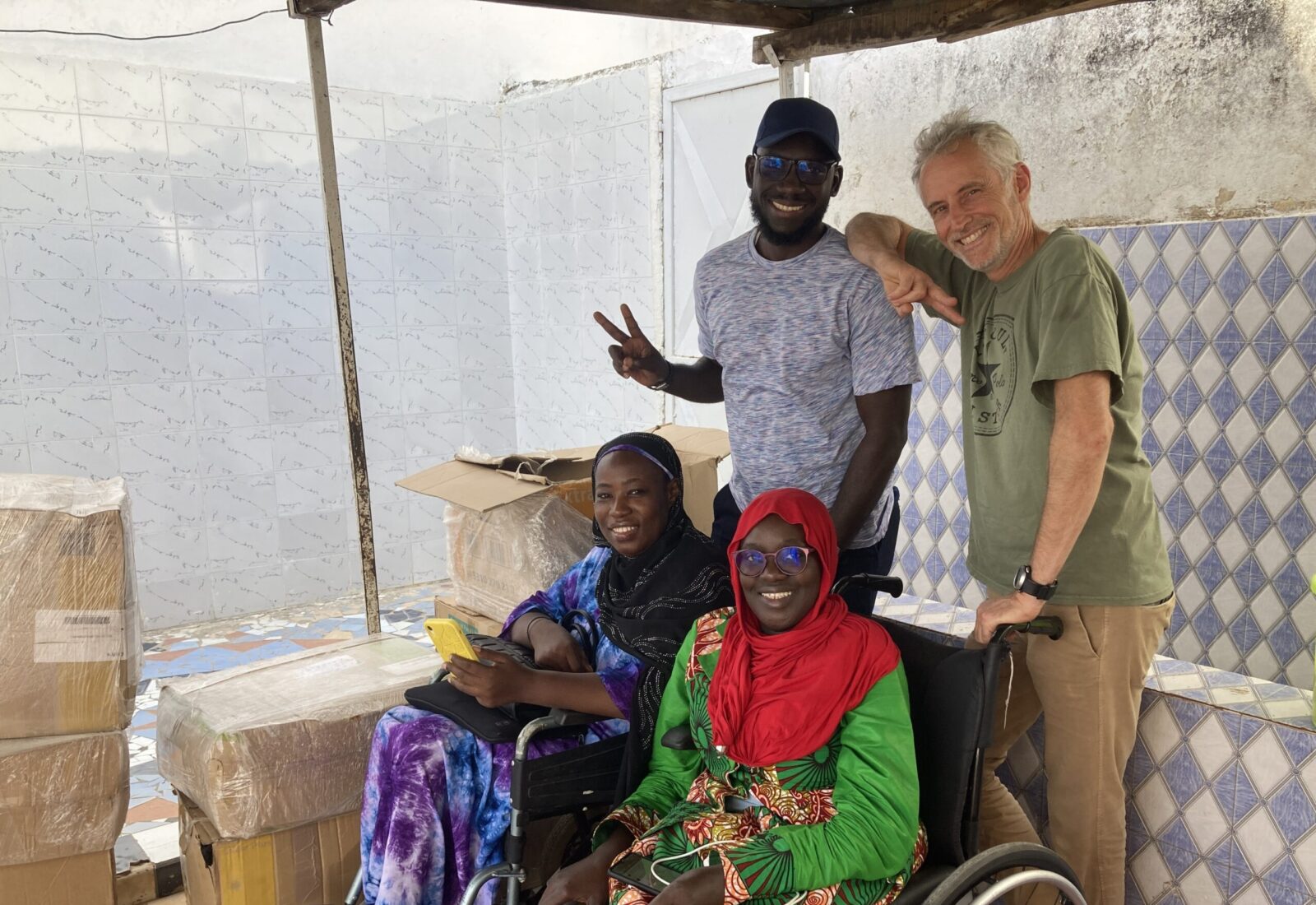
To respond to this need, the project “J’ai accès aux soins, je suis épanoui·e” (“I have access to healthcare, I feel fulfilled”) was launched by SenHandiCare (SHC), a France-based non-profit founded by members of the Senegalese diaspora, in partnership with Handicap Ca Kanam, a national association of people with disabilities. The project, running over a year, illustrates how diaspora organisations can help bridge the gaps by making healthcare accessible, continuous and stigma-free for children with disabilities in Touba.
From Marseille to Touba, the Senegalese diaspora is mobilising resources, expertise and solidarity across borders to advance disability inclusion and reinforce community-level health responses
At individual level
The project supports fifteen children from low-income families, providing tailored medical follow-up, rehabilitation sessions, and essential equipment and medicines free of charge. Some receive continuous care and treatment, while others benefit from assistive devices thanks to materials collected by the diaspora community in France.
At family level
Beyond clinical support, the project strengthens families’ ability to care for their children at home. Caregivers receive quarterly therapeutic training led by local doctors and participate in support groups led by diaspora healthcare professionals where they exchange experiences and learn basic medical techniques to gain confidence in their caregiving roles.
At community level
Through dedicated community awareness sessions for over 300, local “Bajenu gox” (neighbourhood godmothers) and trained volunteers will raise awareness and challenge stigmas.
“Every child deserves to dream, learn, and thrive, regardless of their disability. Together, we can build inclusive and supportive communities.”
Coumba Diouck, founder and co-president of Senhandicare
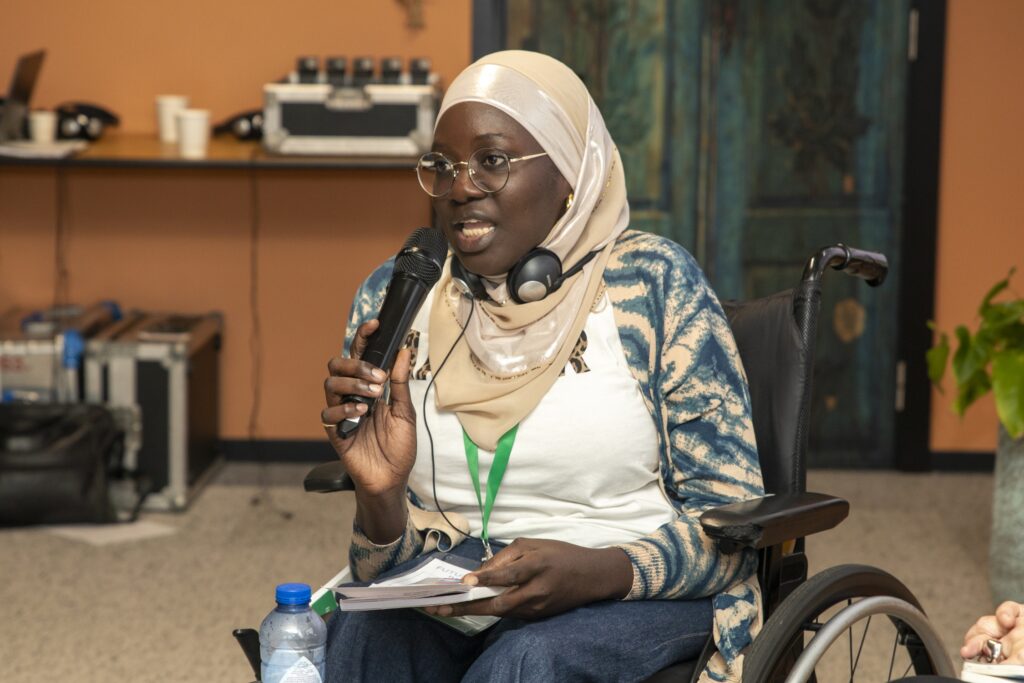
The D4D project with SenHandiCare is the first disability-focused project within EUDiF, but certainly not the first instance of diaspora leading the way in modernising healthcare and challenging stigma associated with disability. Funded by the EU, this microproject will bring maximum impact. It reflects the EU’s commitment to disability inclusion as defined in its Strategy for the Rights of Persons with Disabilities 2021-2030, which promotes equal access to healthcare, mobility and social participation, including in international cooperation, in line with the principle of “leaving no one behind” under the 2030 Agenda.
The European Commission’s 2022 Communication on the External Action of the EU on Disability Inclusion highlights the importance of working with local partners and civil society to strengthen inclusive approaches in development cooperation. SenHandiCare’s collaboration with Handicap Ca Kanam and community actors is a perfect illustration of an inclusive approach that transcends continents.
As the world marks the International Day of Persons with Disabilities on 3 December, projects like “J’ai accès aux soins, je suis épanoui·e” remind us that global change often begins with local commitment.
Stay up to date with the project’s activities by following SenHandiCare on Instagram and by exploring their LinkedIn page.