Through the Capacity Development Lab (CDL), EUDiF is supporting El Salvador’s Viceministry of Diaspora and Human Mobility in the development of a national diaspora engagement strategy aimed at strengthening the political, economic, cultural and social inclusion of Salvadorans abroad. The strategy is being developed through a participatory process that brings together public institutions, civil society and diaspora communities to build on existing initiatives and shape a more coordinated and sustainable framework.
Following an initial mission to El Salvador to kickstart the consultations with institutional partners, Project Officer Agustín Searle Vial shares his insight into why this mechanism is useful, his top priorities when organising them and why starting in-person can be the key to unlock their full potential.
Consultations turn a strategy into a shared national framework
Diaspora engagement is inherently cross-cutting. While the project is led by the Viceministry of Diaspora and Human Mobility, many other public institutions contribute directly or indirectly to diaspora engagement through areas such as investment, education, culture, tourism, financial services, local development or social protection.
One of the lessons we have learned throughout EUDiF is that a diaspora engagement strategy cannot be developed effectively by looking at the work of one institution alone. Consulting across the ecosystem allows us to identify complementarities, potential synergies and opportunities for stronger coordination. Ultimately, one of the purposes of a national strategy is precisely to bring these different initiatives and areas of potential together within a coherent framework.
At the same time, we want to avoid a top-down approach. Public institutions may ultimately be responsible for implementing the strategy, but its main stakeholders are Salvadorans living abroad. Diaspora communities themselves are best placed to explain how engagement mechanisms work in practice, where challenges remain and what kinds of opportunities or initiatives would be most meaningful to them. Bringing institutional and diaspora perspectives together is what allows the strategy to be both realistic and responsive.
Starting in person can strengthen trust and improve the quality of results
Many consultations can be conducted very effectively online, particularly when working with stakeholders across different countries and regions. Nevertheless, starting the process with an in-person mission brings an important additional dimension: trust.
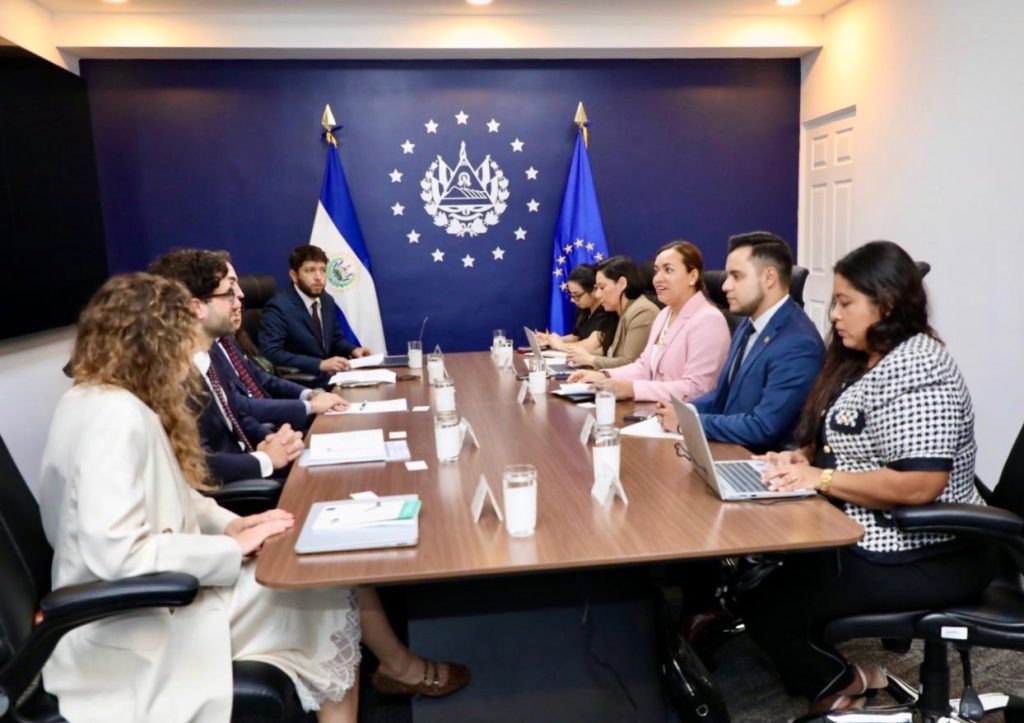
Institutional consultations tend naturally to be quite formal. Meeting in person creates more space for conversation to develop organically while maintaining a professional setting. Participants can explain not only what exists on paper, but also how things work in practice, where they see opportunities and what they have learned through implementation.
Being physically present also demonstrates commitment to the process and gives the initiative greater visibility within participating institutions. Public administrations are constantly balancing multiple priorities and limited time and resources, so an in-person launch can help create momentum, strengthen confidence in the process and encourage stakeholders to actively engage from the outset.
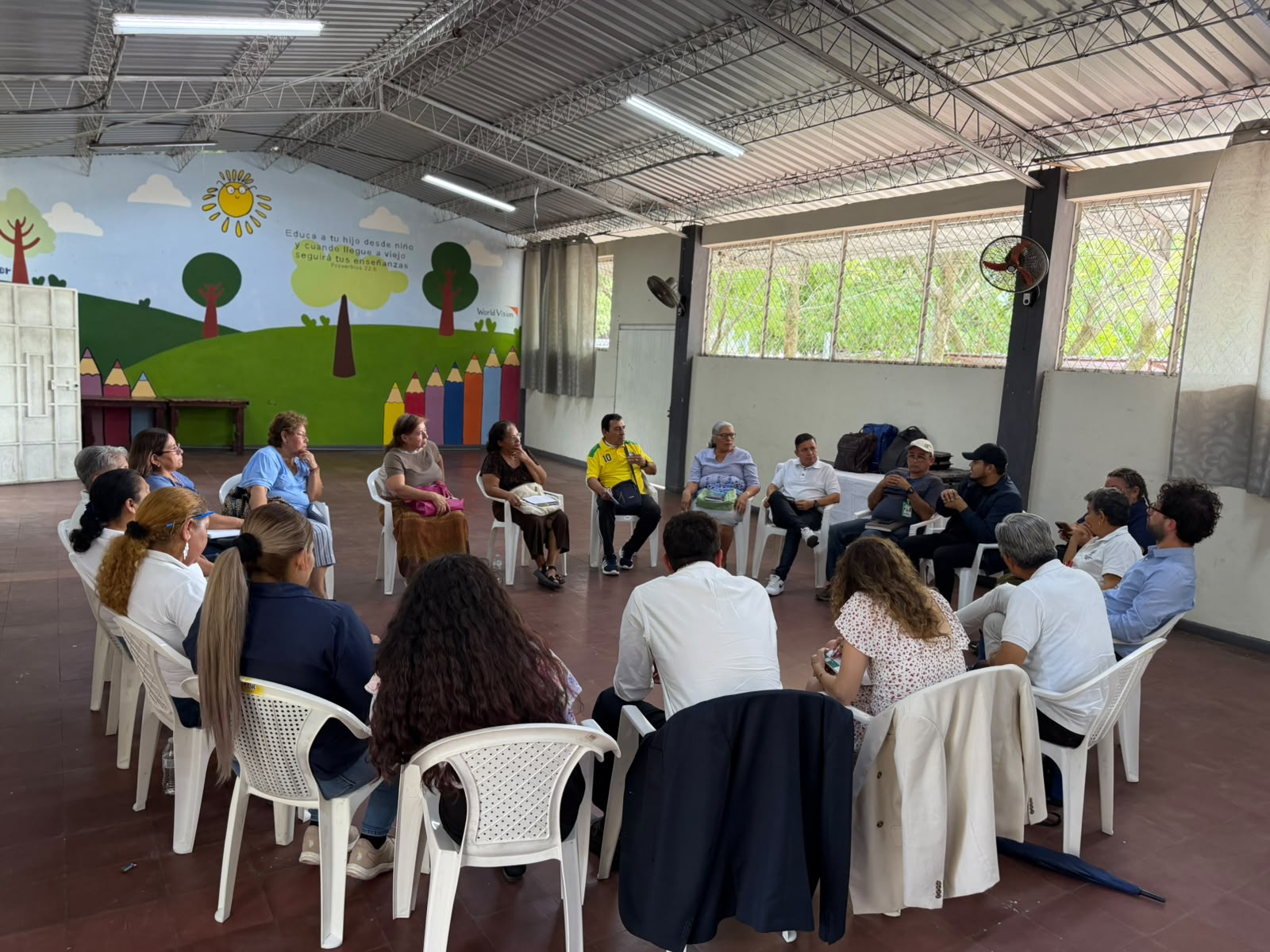
Finally, being in the country allows the project team to better understand the institutional and social context surrounding the strategy. In El Salvador, for example, the mission combined institutional discussions with engagement beyond central government. One of these engagements was a field visit to Soyapango to meet civil society organisations and local actors involved in Proyecto Semillas, an initiative supported by the Viceministry that connects diaspora members with local organisations in El Salvador for development-oriented community projects. Experiences like these help connect policy discussions with the different ways diaspora engagement is already taking place on the ground.
Three priorities for planning an effective consultation mission
First, empower the partner institution and trust its understanding of the national context. We may arrive with a methodology and a clear idea of what we need to learn, but every country has its own institutional culture, structures and ways of working. The partner institution knows this reality best, so planning needs to be genuinely collaborative and flexible enough to adapt to it.
Second, find the right balance between political and technical engagement. Senior-level involvement is important because political leadership can give the project visibility, reinforce institutional ownership and help mobilise different actors when necessary. At the same time, technical-level colleagues are involved in the day-to-day work and often have the clearest understanding of how programmes operate, where practical challenges arise and what could realistically be improved. Both perspectives are essential.
Third, prioritise the quality and diversity of exchanges rather than simply the number of meetings. It is important to bring together different types of stakeholders, while leaving enough time for meaningful discussion, reflection and internal debriefing. Grouping stakeholders around common themes can also help identify connections between areas of work that may not always interact directly.
From existing initiatives to a more coherent diaspora engagement framework
El Salvador is already doing on diaspora engagement. Over a relatively short period, the country has developed a substantial institutional framework, including the creation of a dedicated Viceministry within the Ministry of Foreign Affairs, alongside a range of programmes, services and mechanisms for engaging Salvadorans abroad.
This gives the strategy a very strong starting point. The challenge is therefore not to start from zero, but to carefully bring these different initiatives together within a coherent roadmap. A national strategy can help clarify how existing efforts connect to one another, identify where they can reinforce each other and create a shared direction for future engagement.
The next important step is to complement what we heard from institutions with the perspectives of the Salvadoran diaspora itself. Through the upcoming diaspora consultations, we will be able to explore how the initiatives and mechanisms discussed during the mission are experienced in practice: what is working well, where there may still be barriers or unmet needs, and where diaspora communities see opportunities for deeper engagement.
Bringing these two perspectives together – the institutional ecosystem in El Salvador and the lived experience of Salvadorans abroad – will be essential for developing a strategy that is both institutionally viable and meaningful to the people it seeks to engage.