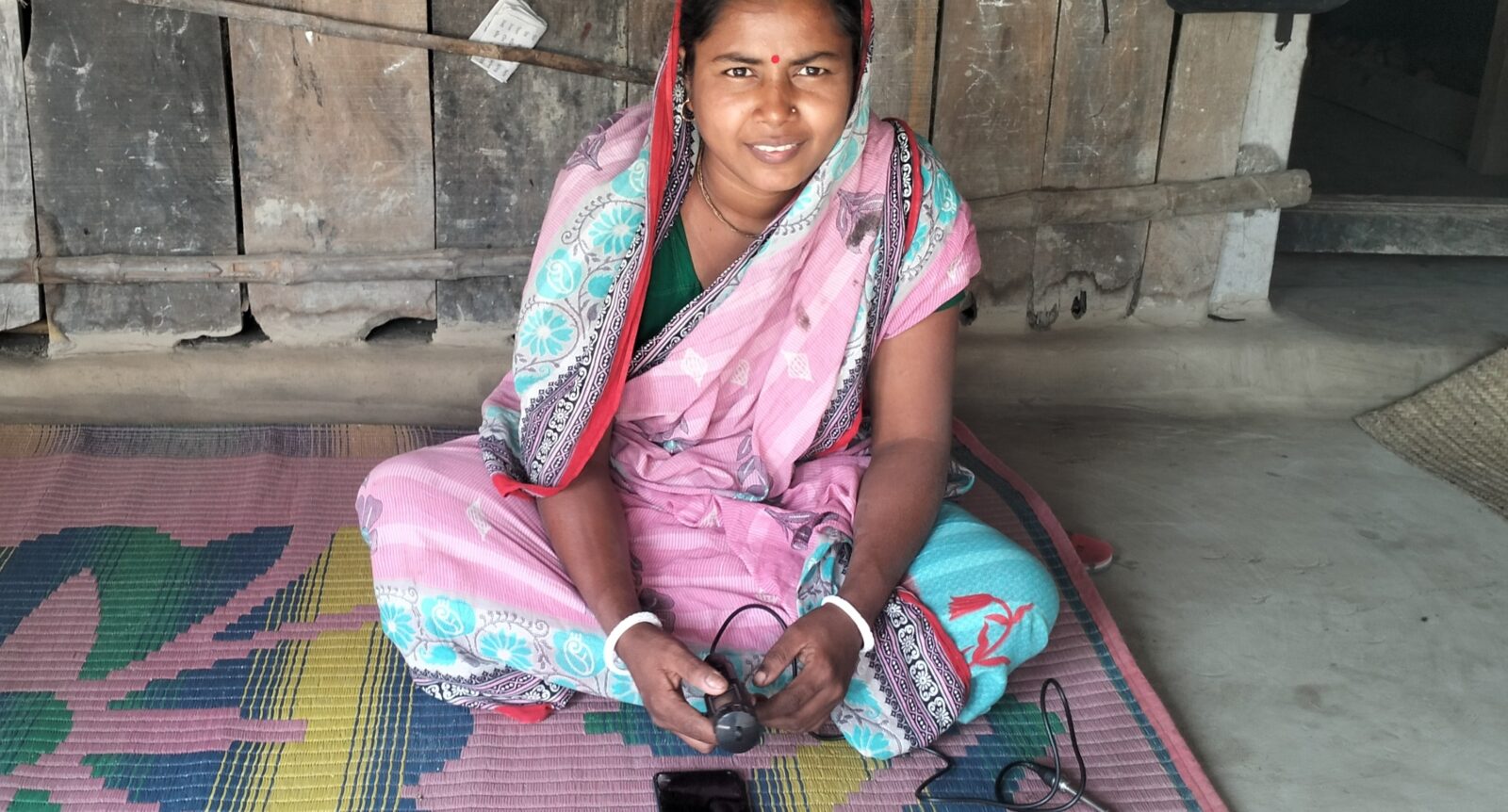
On World Creativity and Innovation Day, Grants Officer Acacia Polatian takes a closer look at how locally driven digital solutions are supporting climate resilience and livelihoods in Bangladesh.
Innovation does not always mean complex and expensive technologies. Some of the most impactful solutions are those developed close to the ground, rooted in the realities of the communities they serve, as projects supported by EUDiF D4D Grants remind us.
In coastal areas of southwestern Bangladesh, climate change is increasingly affecting agricultural production. Rising sea levels, erratic rainfall patterns and more frequent extreme weather events have contributed to the spread of soil salinity, making it more difficult for farmers to sustain traditional crops and stable incomes.
This environmental shift affects not only food production but also rural livelihoods. Farmers must constantly adapt their practices, experimenting with different crops, adjusting planting schedules, or investing in soil management techniques to maintain productivity. However, access to timely and reliable information about soil conditions and suitable farming practices is often limited, particularly for smallholder farmers in remote areas.
In response to these challenges, Aloghar Support Group, in collaboration with its local partner ANTAR, is introducing a low-cost, locally developed digital solution that supports in managing salinity-affected land. By providing accessible information tailored to local conditions, the project helps make more informed decisions and adopt climate-resilient agricultural practices.
“All of partners, including ANTAR in Bangladesh, are our lifeline for implementing any project in South and South East Asia”
— Rafiqul Islam, Chief executive of Aloghar Support Group
Innovation designed for farmers
Available free of charge on the Google Play Store, the e-Saline mobile application is designed to function offline, ensuring that farmers can access critical information even in areas with limited connectivity.
Importantly, the technology was designed with smallholder farmers in mind. Unlike many digital agriculture platforms developed for large-scale farms or high-tech environments, this solution prioritizes ease of use, low cost and local production. With just a mobile phone, farmers can benefit from timely, location-specific guidance without the need for additional equipment or costly subscriptions.
The application features a simple, intuitive interface in the local language, making it accessible even to users with limited digital literacy, particularly among more vulnerable groups. Complex technical data is translated into clear, actionable advice, enabling farmers to make informed decisions throughout the growing season, whether selecting salt-tolerant crops, adjusting irrigation practices or improving soil management.
Low-cost technology with high impact
By relying on locally available resources, simple digital systems and community-level training, the project demonstrates that meaningful technological progress does not always require complex or high-cost infrastructure. Instead, innovation can emerge through clever design and local expertise.
Equally important, the solution is locally produced and maintained, ensuring that it remains affordable and responsive to the needs of coastal communities. Its development and deployment are supported by a strong local ecosystem, including IT specialists from the implementing organisations, the Department of Agricultural Extension, and community mobilisers working across five target villages.
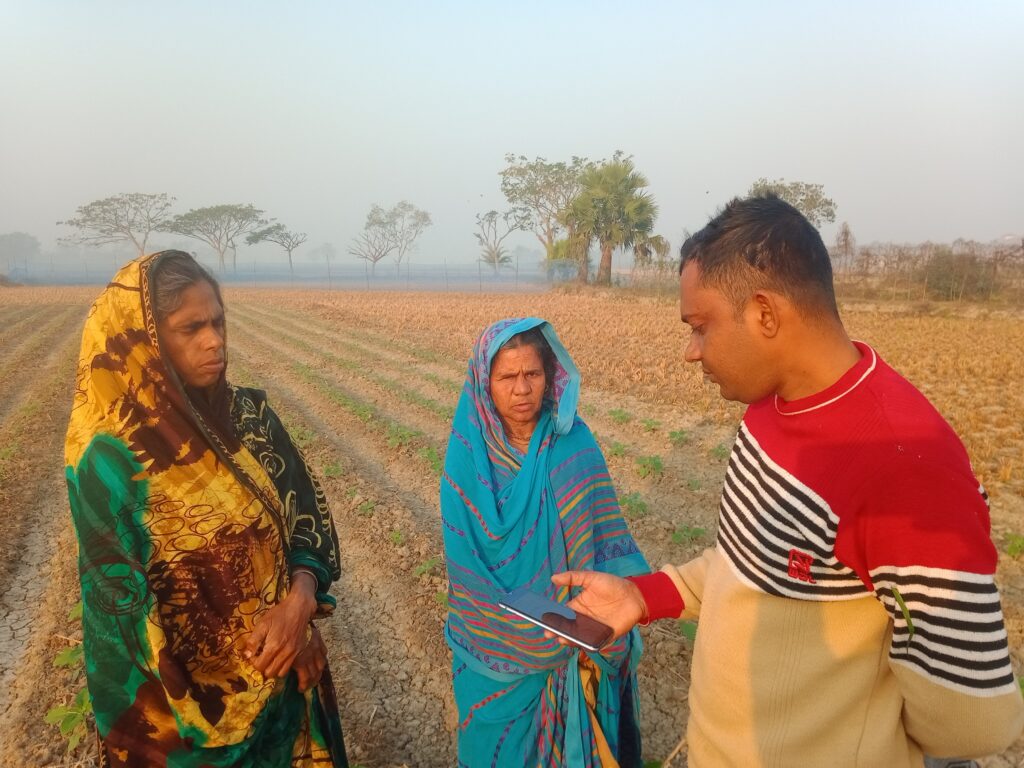
Farmers receive hands-on guidance on how to integrate the digital tool into their daily practices. Through targeted training and continuous support, even those with limited experience using digital technologies can confidently use the platform.
A key element is its co-creation approach. Farmers have been actively involved in testing the digital solution, providing feedback and shaping its development alongside technicians and partners. This continuous feedback loop ensures that the tool remains closely aligned with local needs and farming realities, while also strengthening users’ sense of ownership.
Strengthening climate-resilient livelihoods
Beyond the technology itself, the project aims to support broader improvements in rural livelihoods. The digital tool helps reduce crop losses and encourages the adoption of more resilient farming strategies.
Farmers can explore alternative crops that perform better in saline conditions, diversify their production and plan more effectively for future planting seasons. Over time, these adjustments can contribute to greater stability in household income and food security.
The project also places strong emphasis on inclusive participation, ensuring that women farmers—who often face additional barriers to accessing information and training—can benefit from the digital solution. By providing targeted capacity-building activities, it supports women’s involvement in climate-resilient agriculture and strengthens their role in local farming communities.
The low-cost digital platform developed through the ASG project illustrates how targeted technological support can help smallholder farmers build resilience in the face of climate pressures. And with continued collaboration and investment, such initiatives have the potential to expand to other salinity-affected regions and inspire similar innovations across the agricultural sector.
As Innovation Day highlights new ideas and solutions around the world, this project stands as an example of how simple, locally driven technology can make a meaningful difference—helping farmers transform salty soil into opportunities for smarter, more resilient farming.