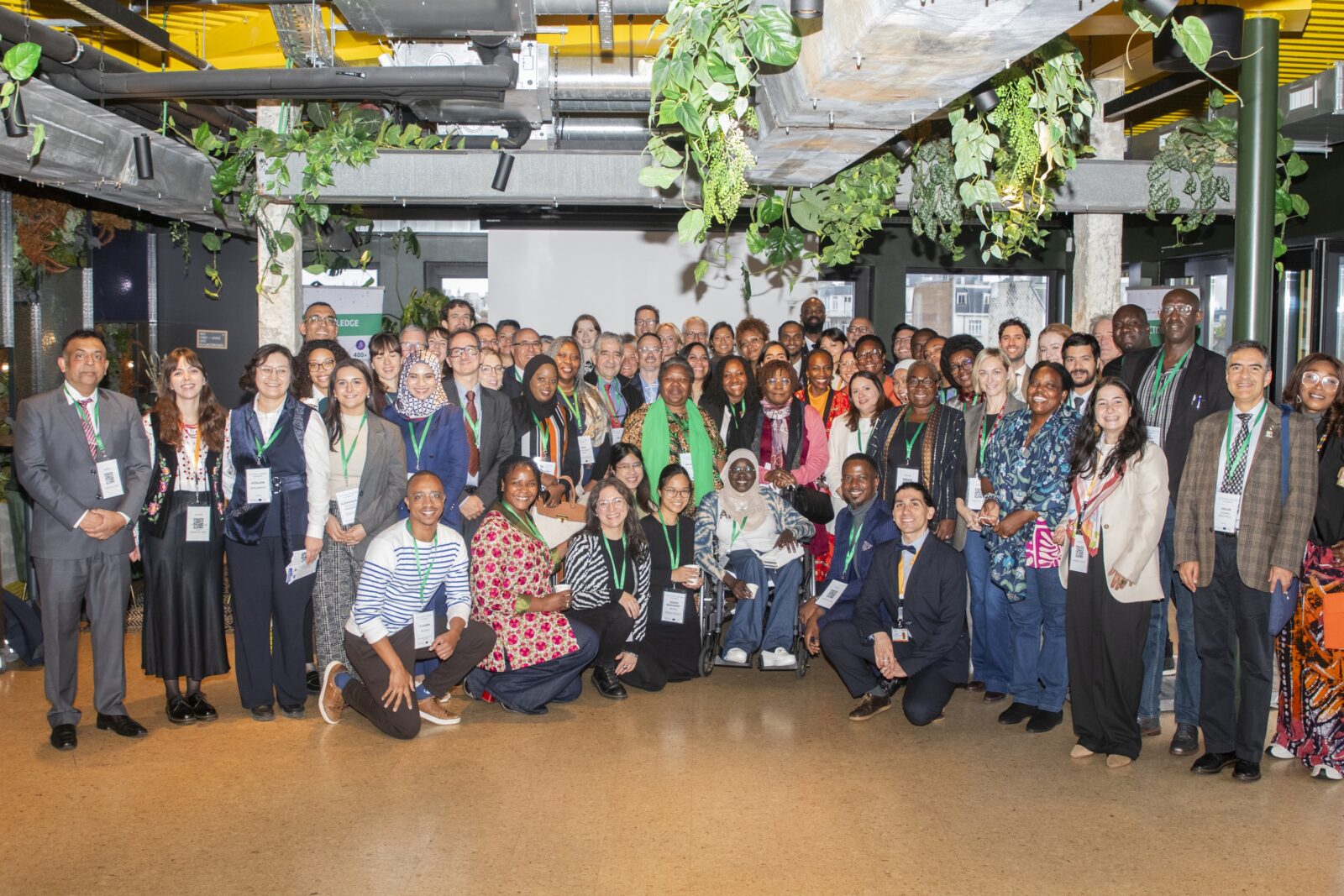
On 13 October, 76 participants gathered for the latest edition of our flagship event, building on the conversations in the previous three editions and celebrating the inclusive partnerships at the heart of EUDiF’s second phase.
At EUDiF we believe that a conference should not be a stand-alone event. That’s why each edition of the Future Forum is designed to maximise learning and sharing potential, and to generate ripple effects.
The 2025 edition was the first chance to bring all our current project partners to connect, learn, and grow together. 76 participants from diaspora organisations, public institutions, academia, international organisations, developmental agencies and policymakers from four continents joined to discuss their experiences and explore how inclusive partnerships make diaspora contributions to development in countries of origin more effective and sustainable .
Building on the previous conference, which concentrated on the fundamentals of building and sustaining partnerships, this year we opened a new chapter on partnership by celebrating the launch of 20 new initiatives supported by EUDiF through the Capacity Development Lab (CDL) for public institutions and Diaspora for Development (D4D) grants for diaspora-led projects. Inspired by the practices and experiences of these freshly-launched actions, the audience was invited to reflected on how to make partnerships more equitable, impactful, and enduring.
Learning from inspiring practices
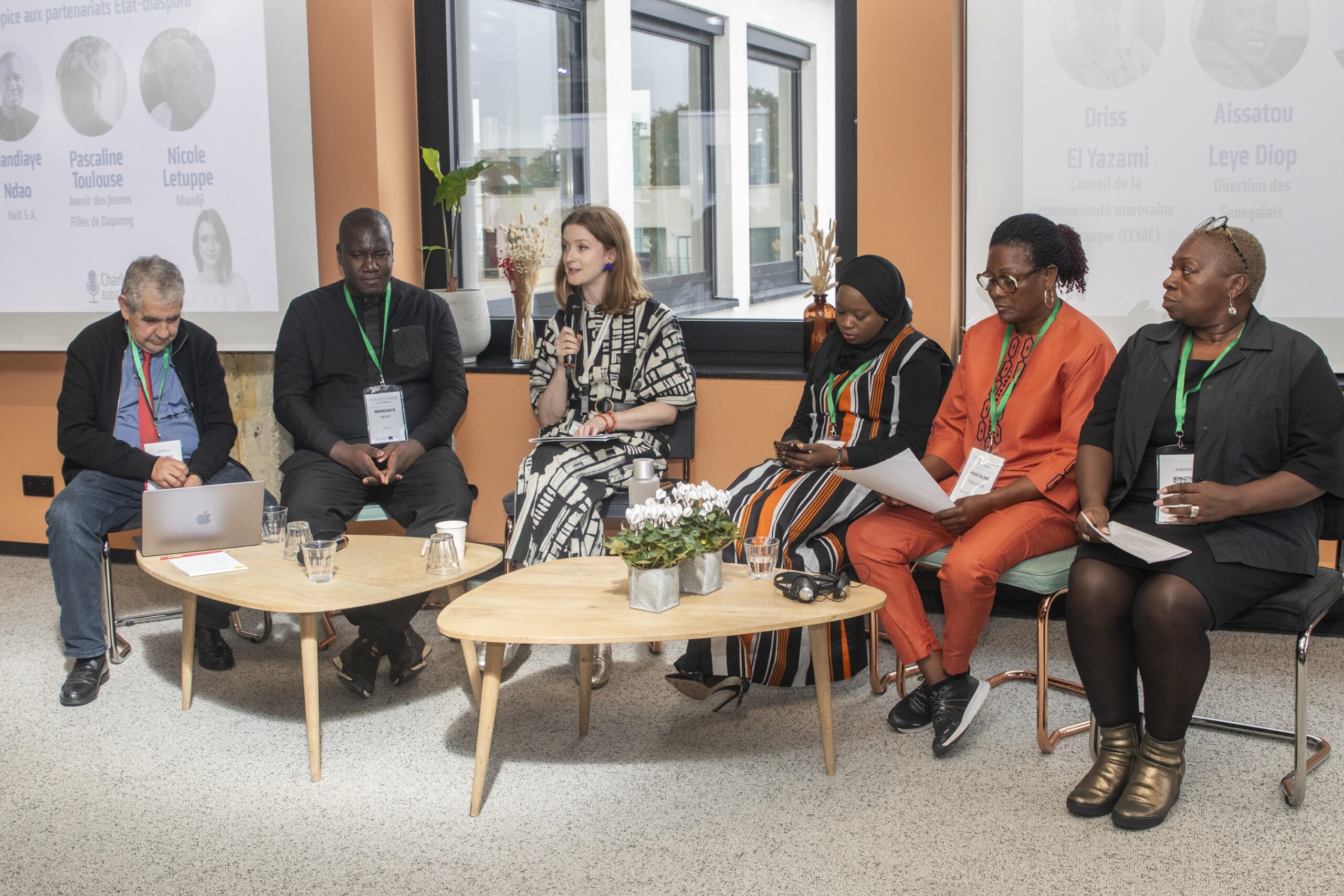
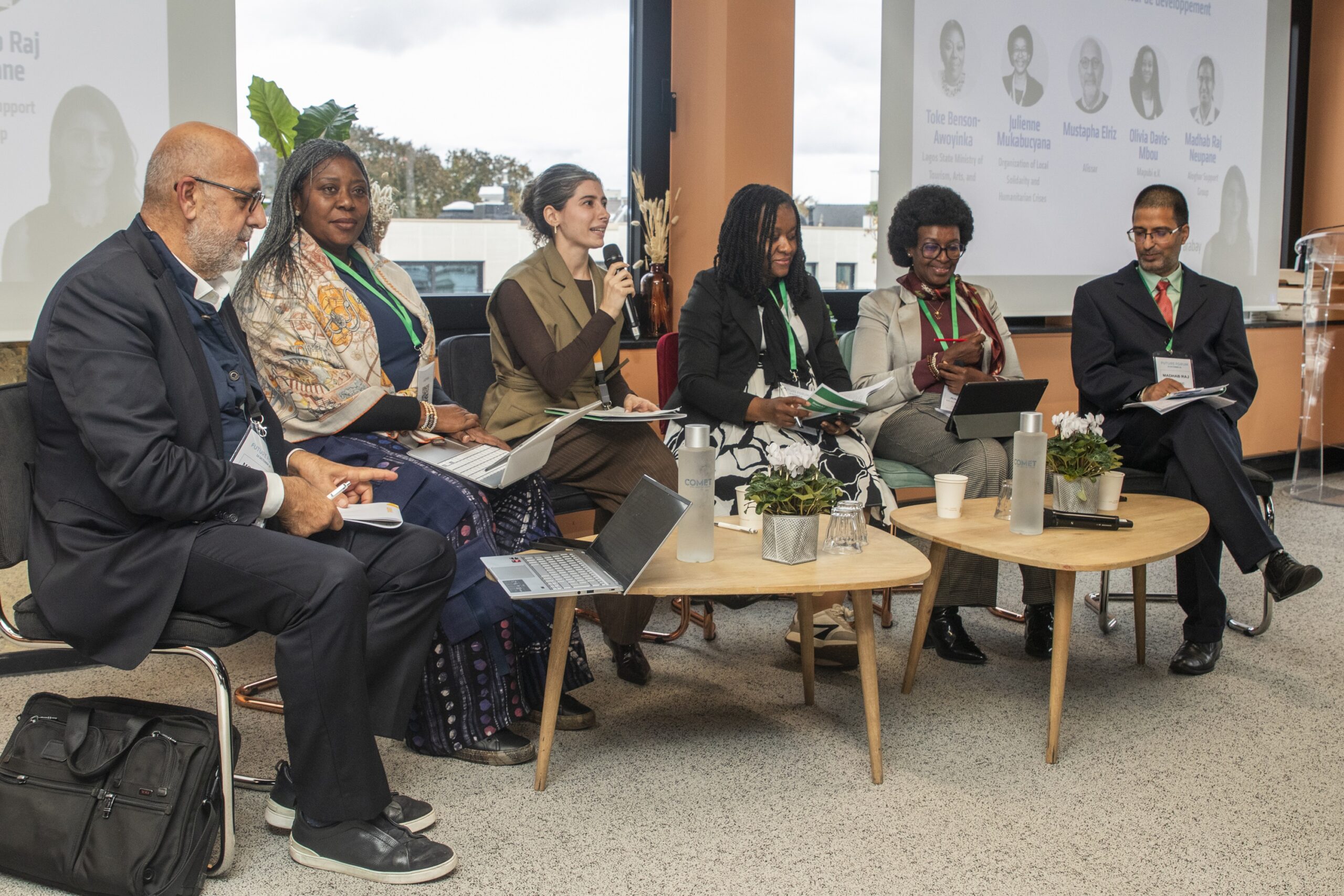
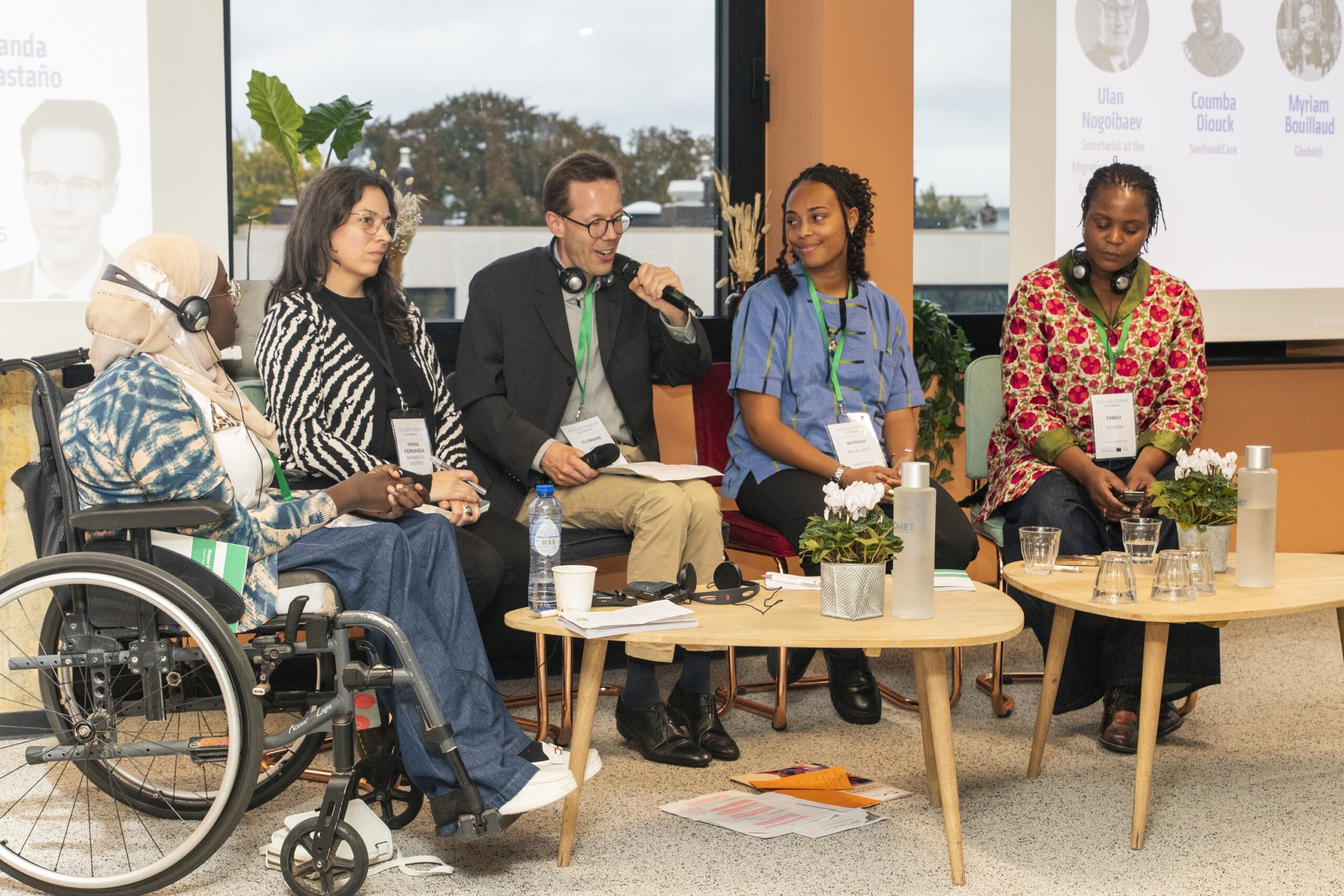
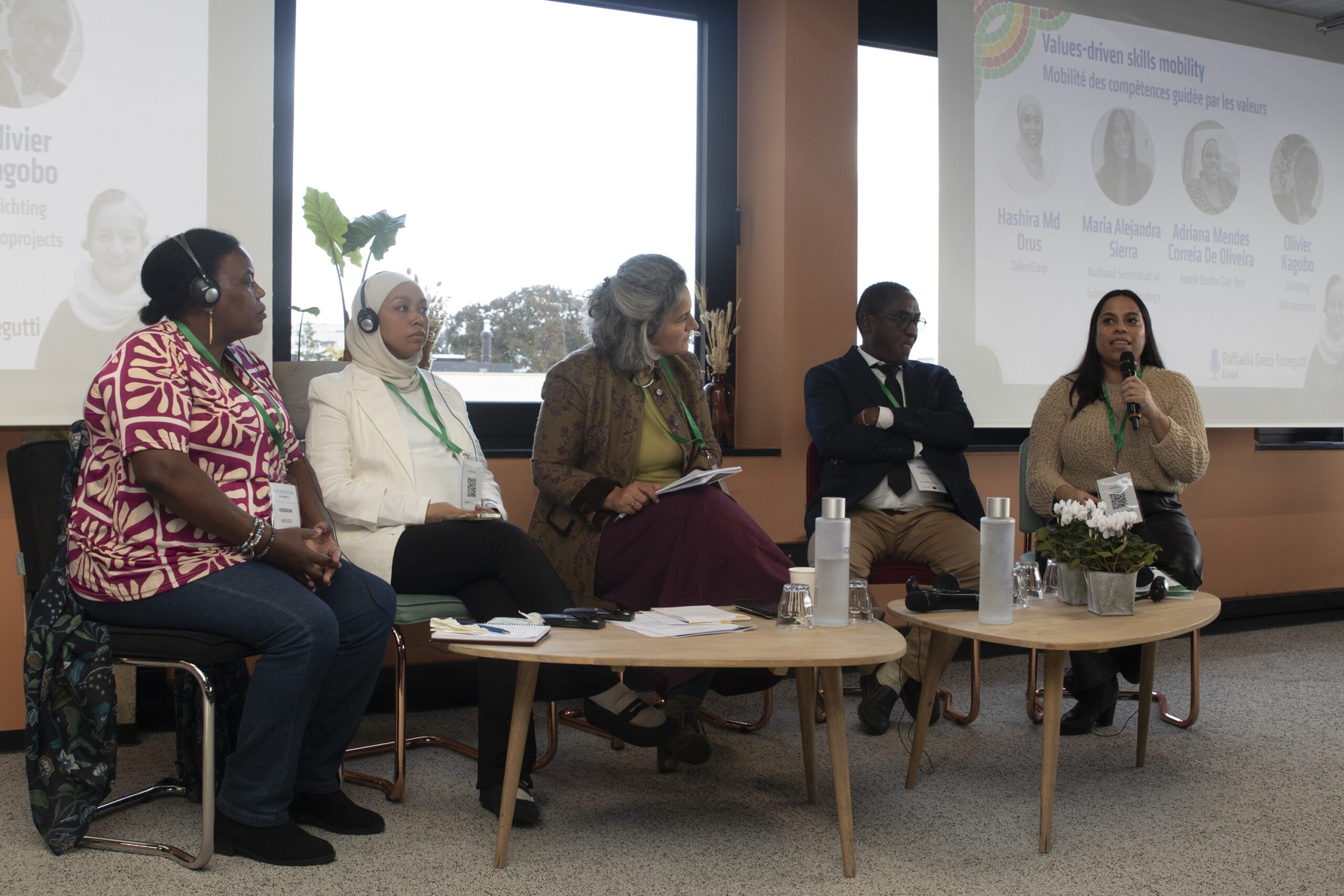
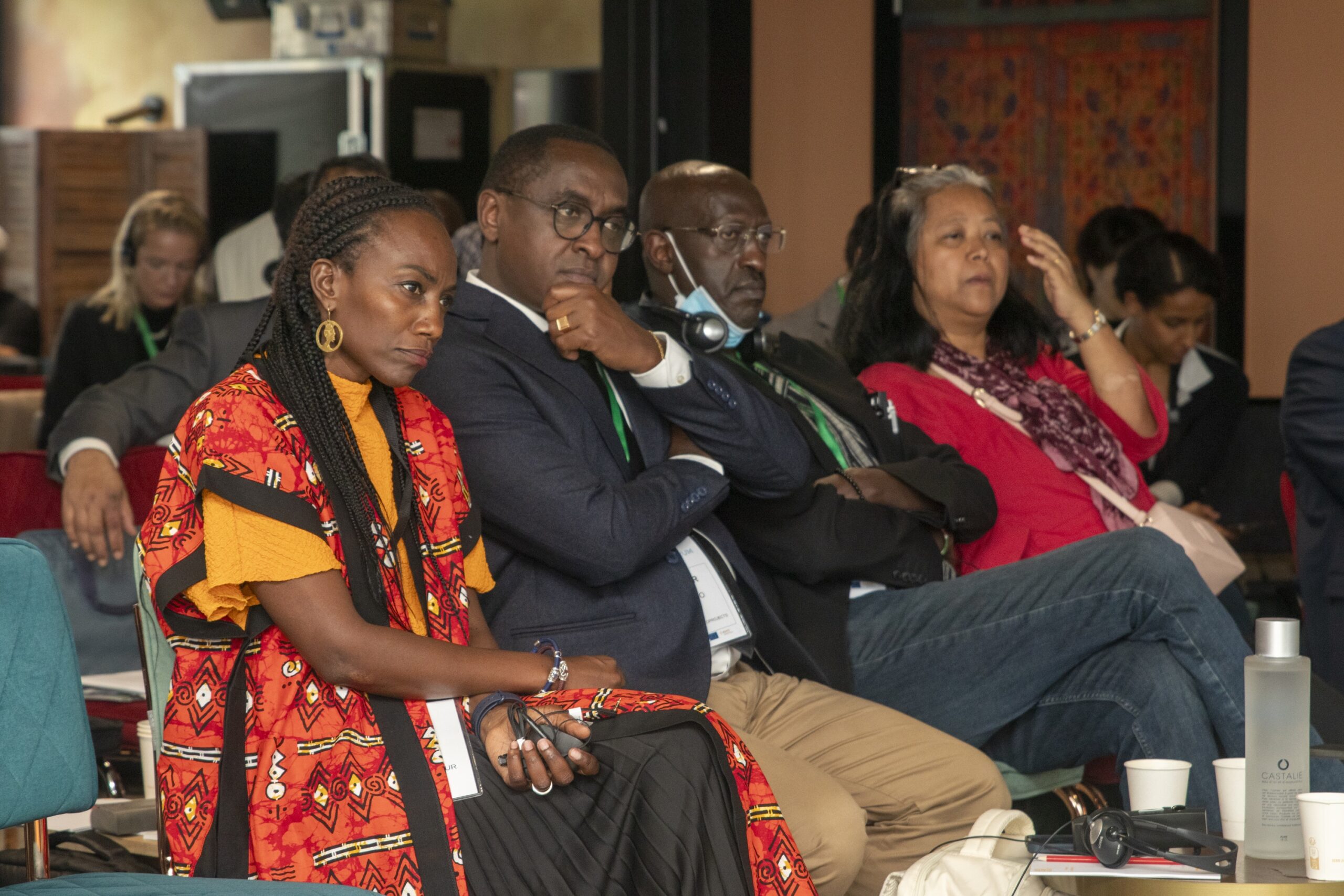
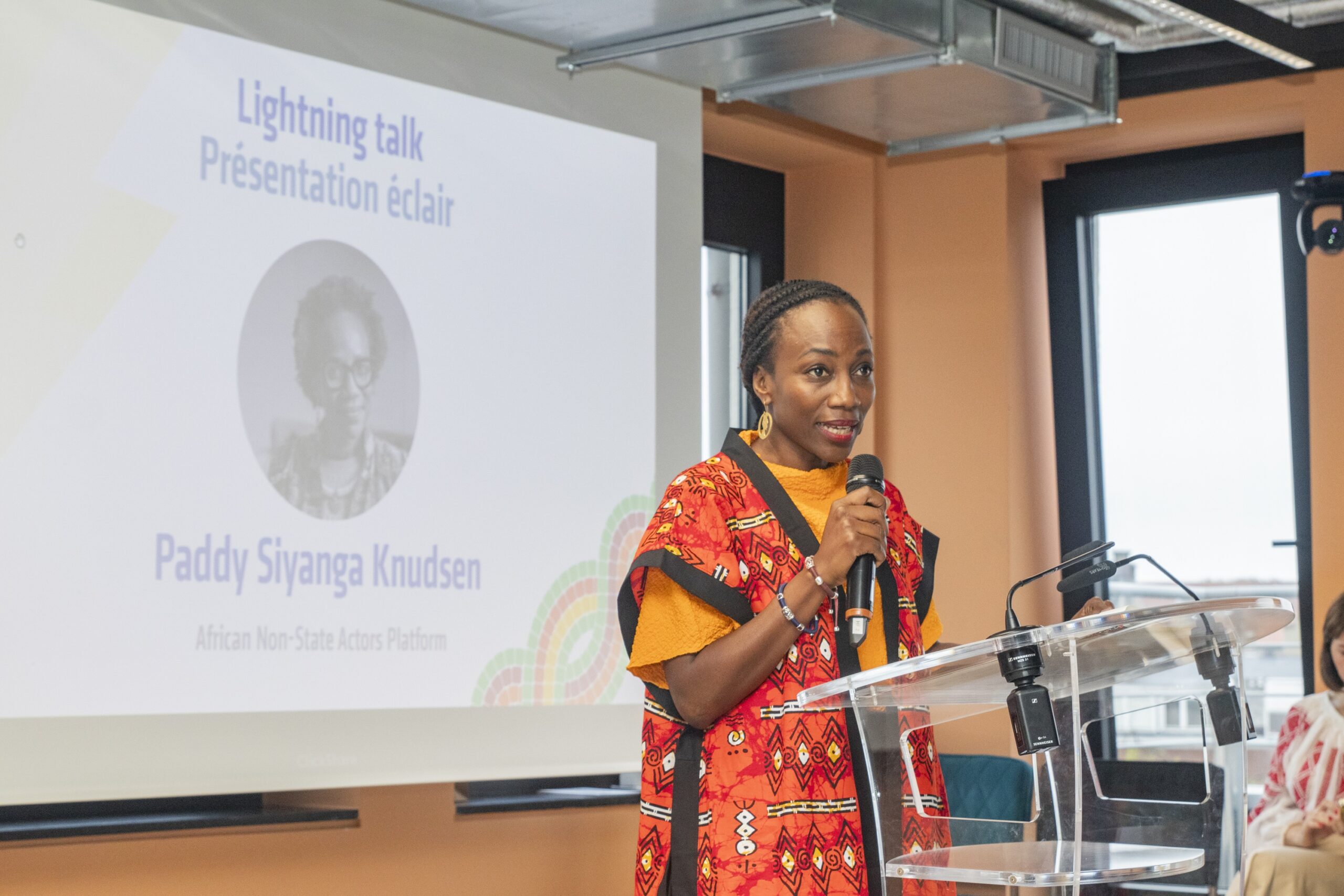
In a jam-packed day, 27 speakers and moderators shared reflections on the themes of enabling environments, values-driven skills mobility, digital innovation, local action for underserved communities, and sustainable models for diaspora organisations. From government institutions to grassroots organisations, speakers demonstrated that collaboration rooted in trust leads to stronger and more sustainable results.
Discussions highlighted how inclusive cooperation models, whether through institutional dialogues, joint projects, or local partnerships, can ensure that both diaspora and local communities are equally empowered. Speakers noted that mutual understanding, local anchoring, and co-implementation between diaspora and local authorities are key to ensuring long-term impact.
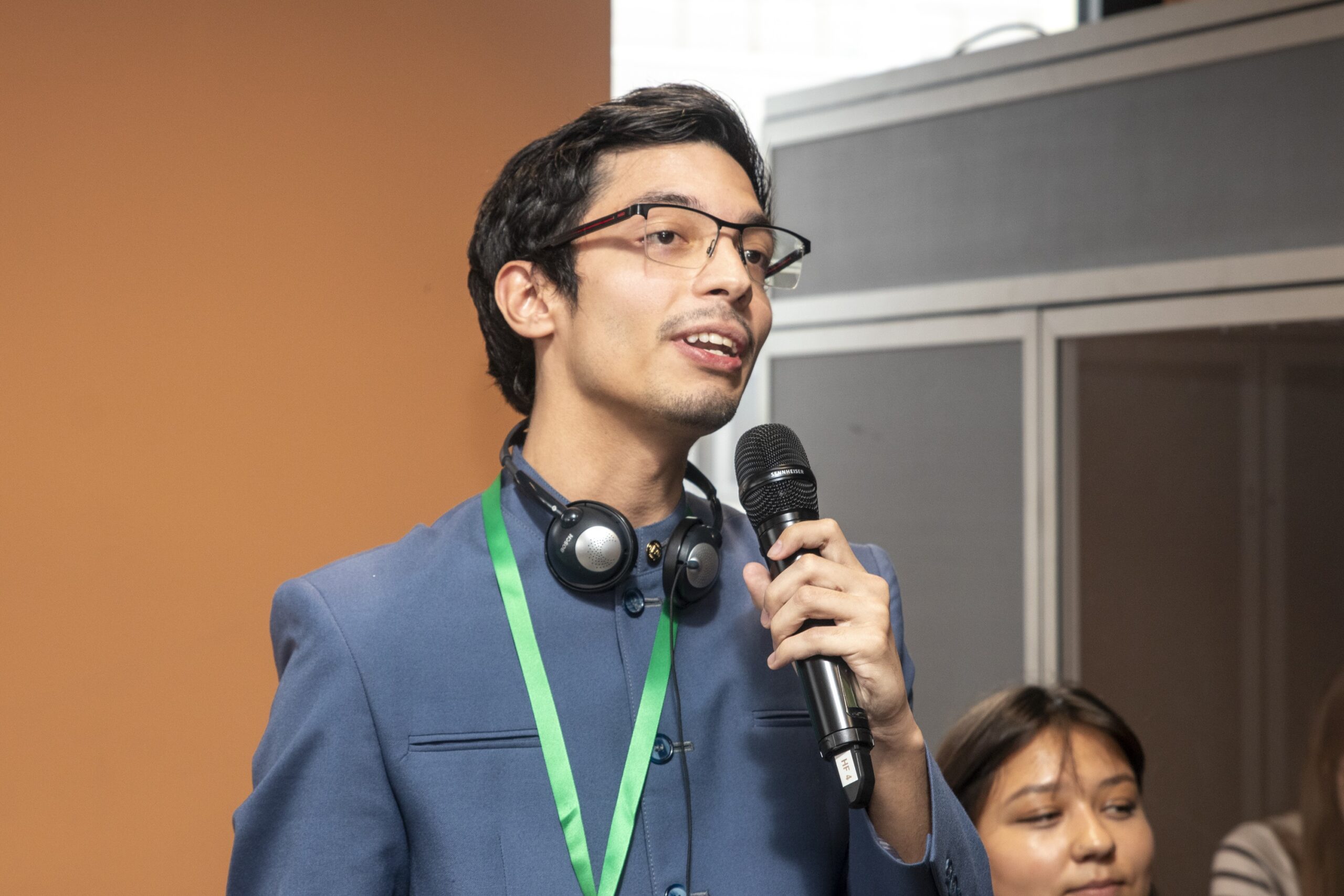
A recurrent theme was the importance of listening, not only to diaspora voices but also to local actors and to the next generation of diaspora leaders. Several interventions underlined the role of youth and women in broadening the definition of who “belongs” in the migration and development conversation – groups which EUDiF is passionate about including systematically.
The forum also highlighted how people-centred and context-driven innovation, both digital and institutional, bridge diaspora and local communities in the countries of heritage. Examples from telehealth and heritage preservation to agriculture and education illustrated how digital tools can connect communities, support skills transfer, and foster inclusive learning opportunities.
“It was exciting to hear and watch diaspora voices from across the globe. It also made me realize the plentiful opportunities that can be created from strategic partnerships between different diasporic actors seeking to find pathways for development in their countries of heritage.”
Julio César Croce Martínez
Member of Diaspora Youth community (internship alumni)
What’s next?
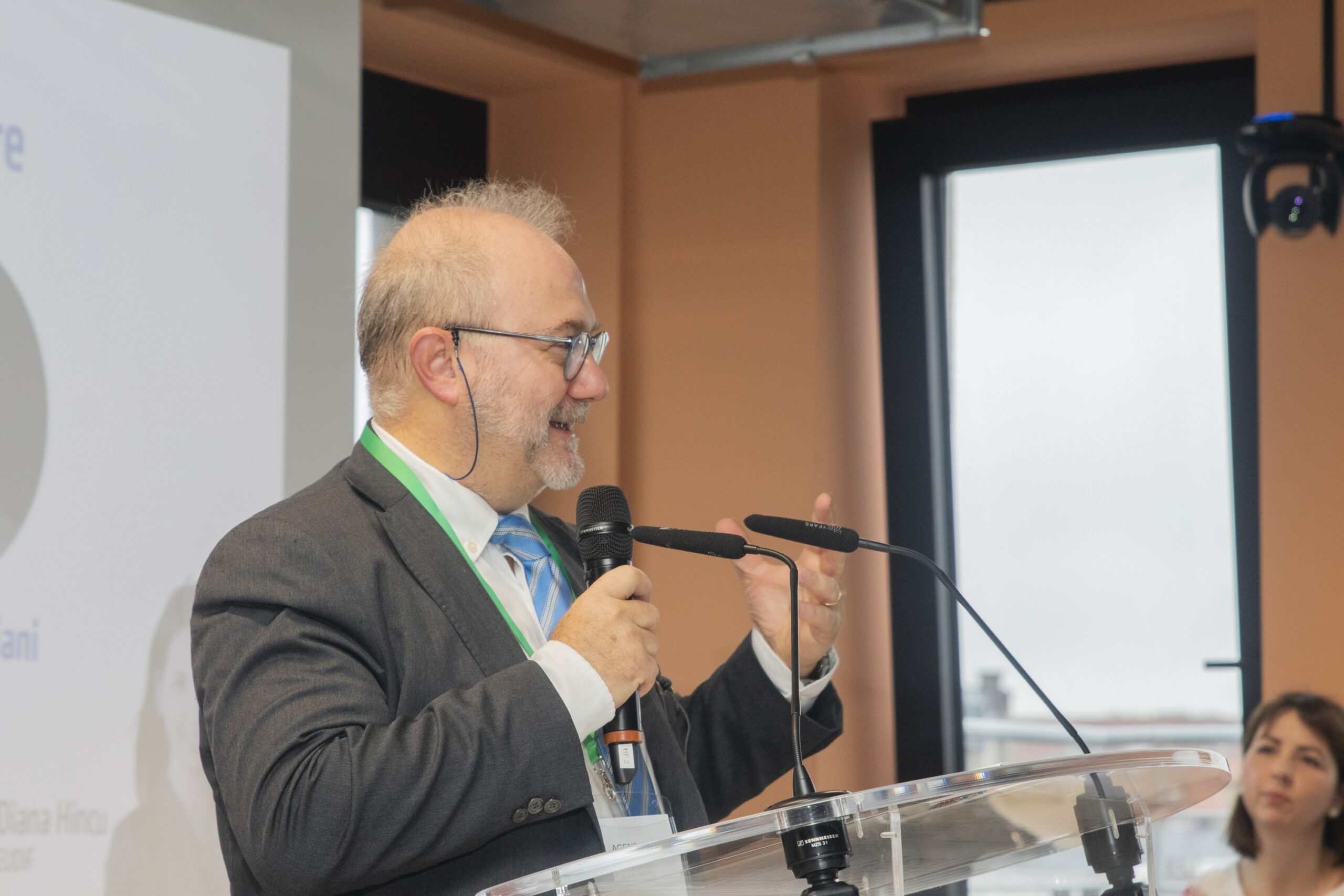
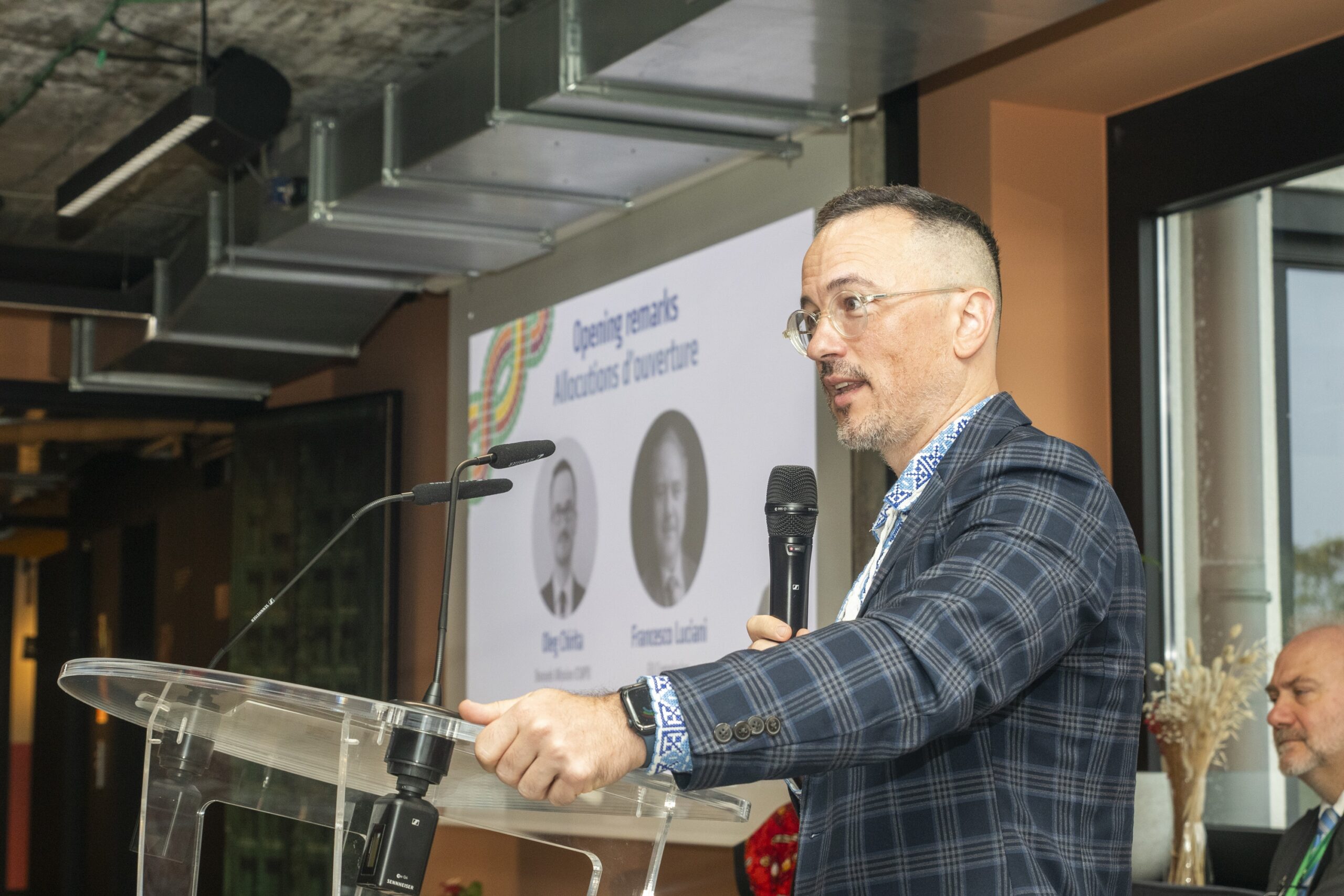
The Future Forum offered a space for community building, learning and idea-generation. There were many calls for expanding thinking beyond traditional development aid, such as from Francesco Luciani, Head of Unit for Migration and Forced Displacement at DG INTPA, European Commission, who stressed that diaspora organisations are strategic partners in shaping and improving migration governance.
Whilst the 20 new initiatives get underway, at EUDiF we will use every opportunity to explore novel areas of diaspora engagement in development and migration governance. As our Head of Global Initiatives, Oleg Chirita, pointed out: diaspora engagement can flourish when institutions foster enabling environments and policies that embody shared ownership between governments and diaspora communities. We remain committed to playing a role in fostering such environments and connecting the dots between our partners around the world so that the global diaspora-development ecosystem is as informed, inclusive and impactful as possible.
We are deeply grateful to all the speakers, moderators and partners who presented their practices and visions and helped make the Future Forum the success we had envisioned. Thank you!