
Boosting sustainable heritage tourism preservation in Ikorodu, Nigeria
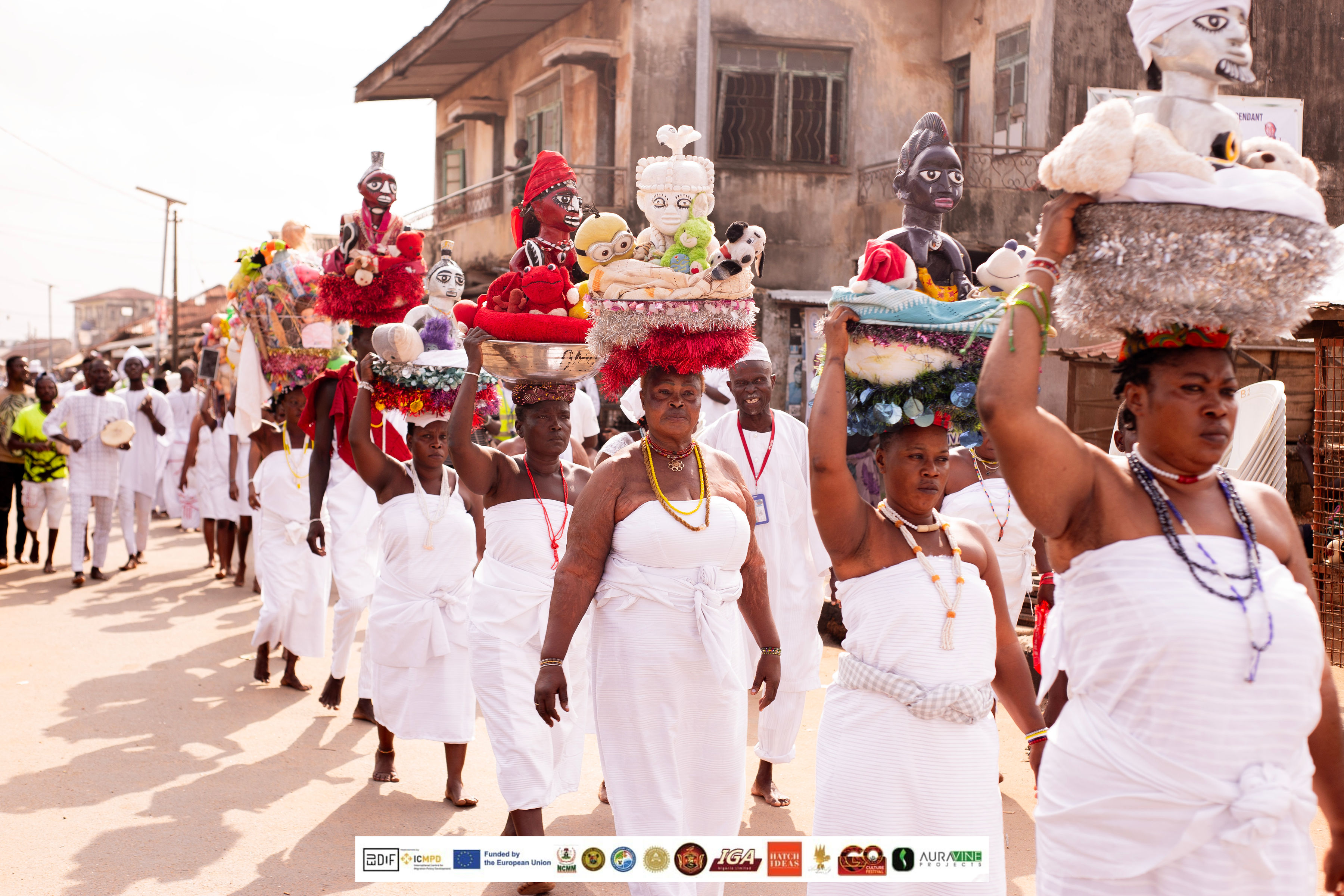
Nigeria, known as the “Giant of Africa,” is a culturally vibrant nation of 225 million people, home to over 250 ethnic groups and more than 500 languages. Its rich cultural heritage extends beyond physical artifacts, embracing customs, indigenous practices, diverse architectural styles, and over 365 festivals celebrated annually across the country.
To protect and promote this diversity, the National Commission for Museums and Monuments (NCMM) was established in 1979. It manages the collection, documentation, conservation and presentation of Nigeria’s cultural assets. Despite this groundwork, the country continues to face challenges in fully unlocking the potential of heritage tourism.
In Lagos State, the Ministry of Tourism, Arts, and Culture (MTAC), backed by the Lagos State Preservation Law (2011), prioritizes festival development and capacity building as key strategies for boosting tourism. Yet, areas such as Ikorodu Kingdom, which holds 68 documented heritage assets, remain underrepresented in the state’s tourism landscape.
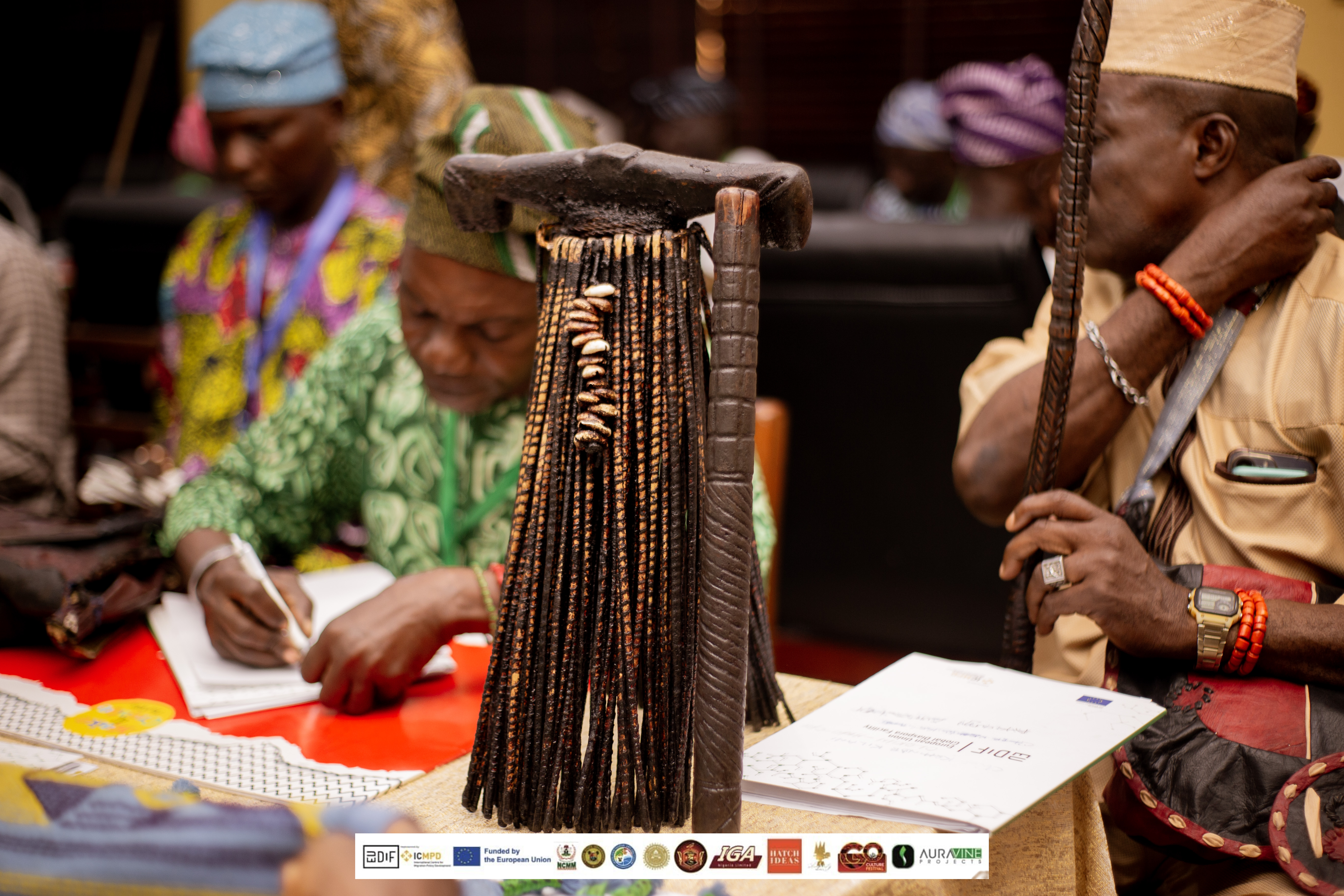
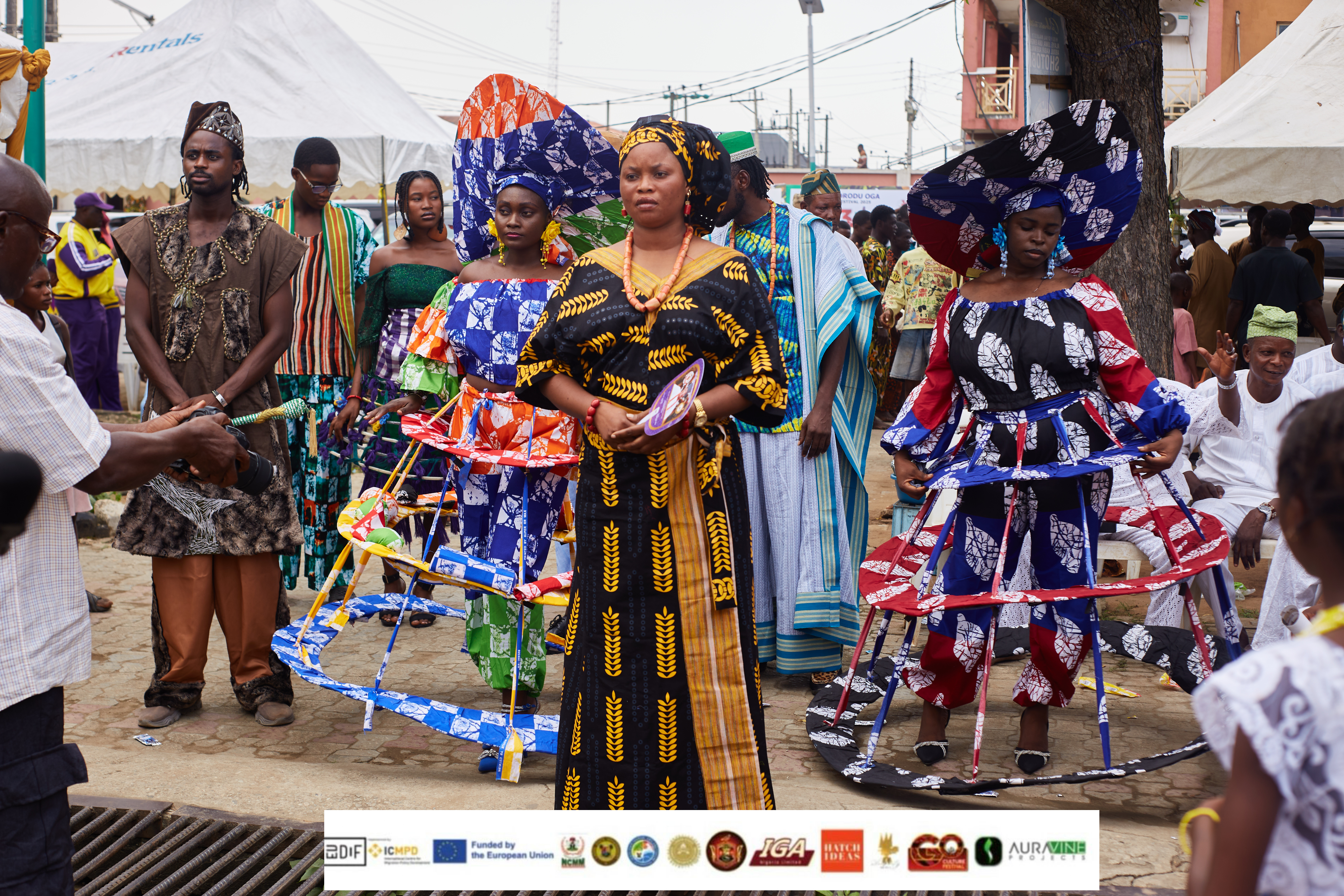
This project seeks to highlight both the tangible and intangible heritage of the eight kingdoms within the Ikorodu division. By introducing a Heritage Conservation Management Framework (HCMF), it offers a scalable model for other communities, while equipping local custodians with modern digital skills to enhance accessibility and global visibility.
Through collaboration with the Nigerian diaspora, one of the largest in the world, and adoption of global best practices, the project supports cultural preservation and opens new pathways for sustainable economic growth through heritage tourism.
In partnership with
Programme of activities
A Heritage Conservation Management Framework (HCMF) with structured guidelines and Monitoring, Evaluation and Learning (MEL) tools will be developed to support consistent, community-driven heritage management. It will serve as a reference for local custodians, empowering them as managers and stewards of cultural assets and will reflect the outcomes and insights from the Activities 2-5.
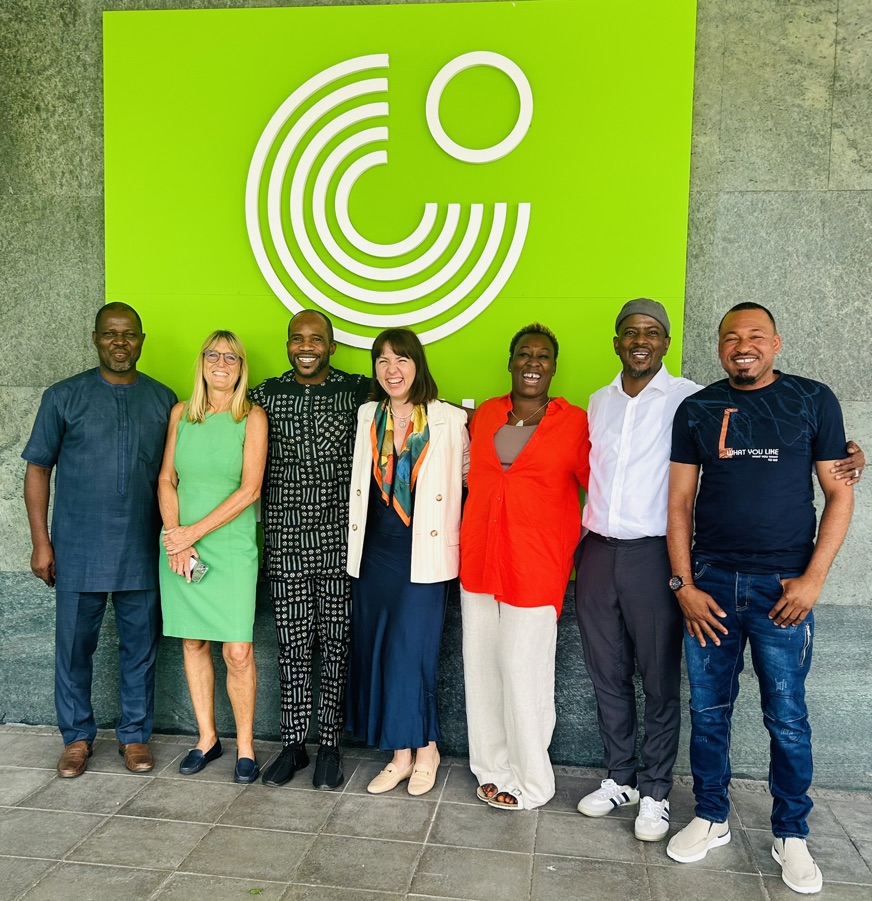
During a 5-day Training of Trainers (ToT), including a study tour to Germany, participants will examine the development and management of successful heritage festivals, as well as conduct sessions with stakeholders on heritage conservation and festival management. They will also build local capacity through international exposure and peer learning through immersing into festival and carnival management practices in Germany.
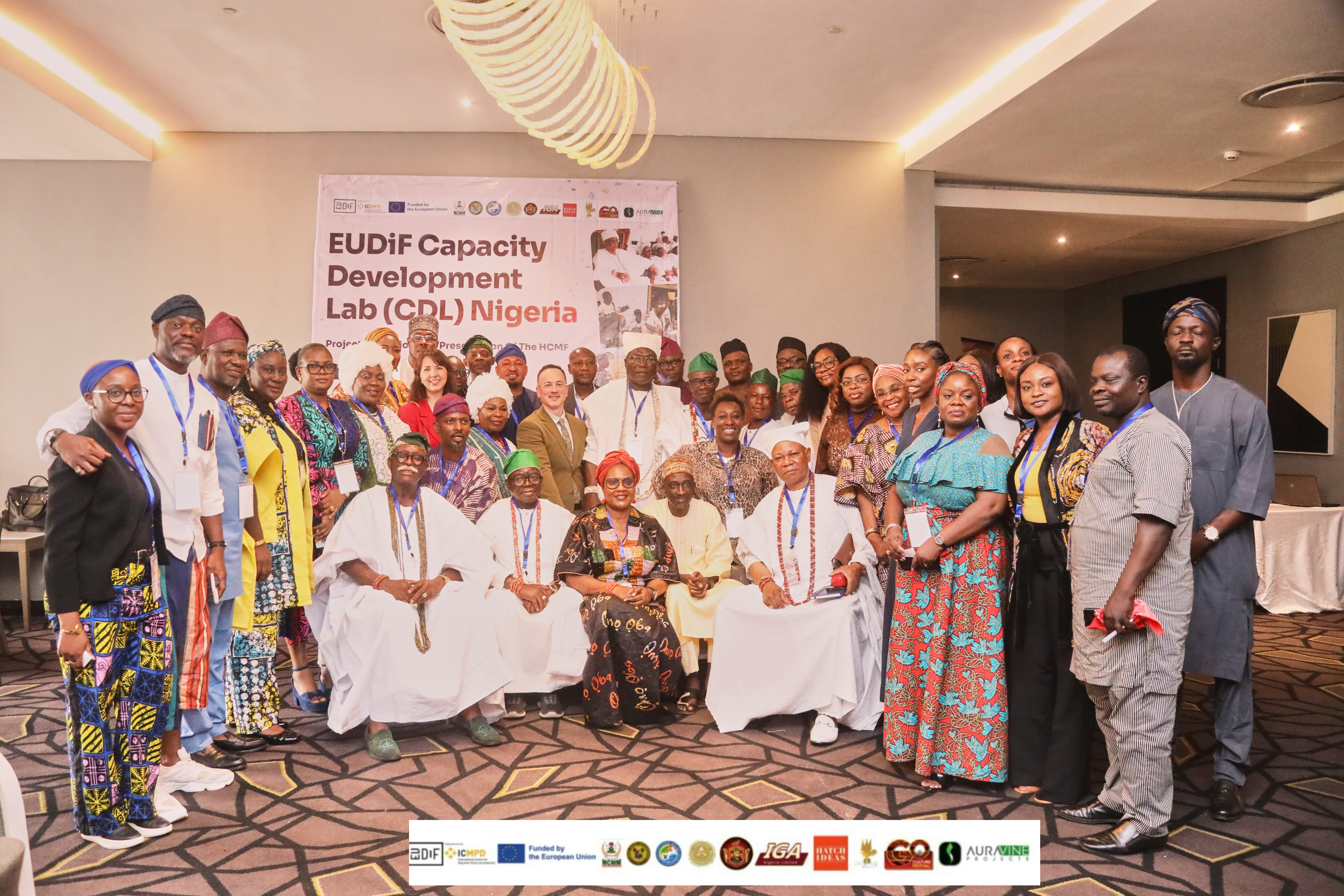
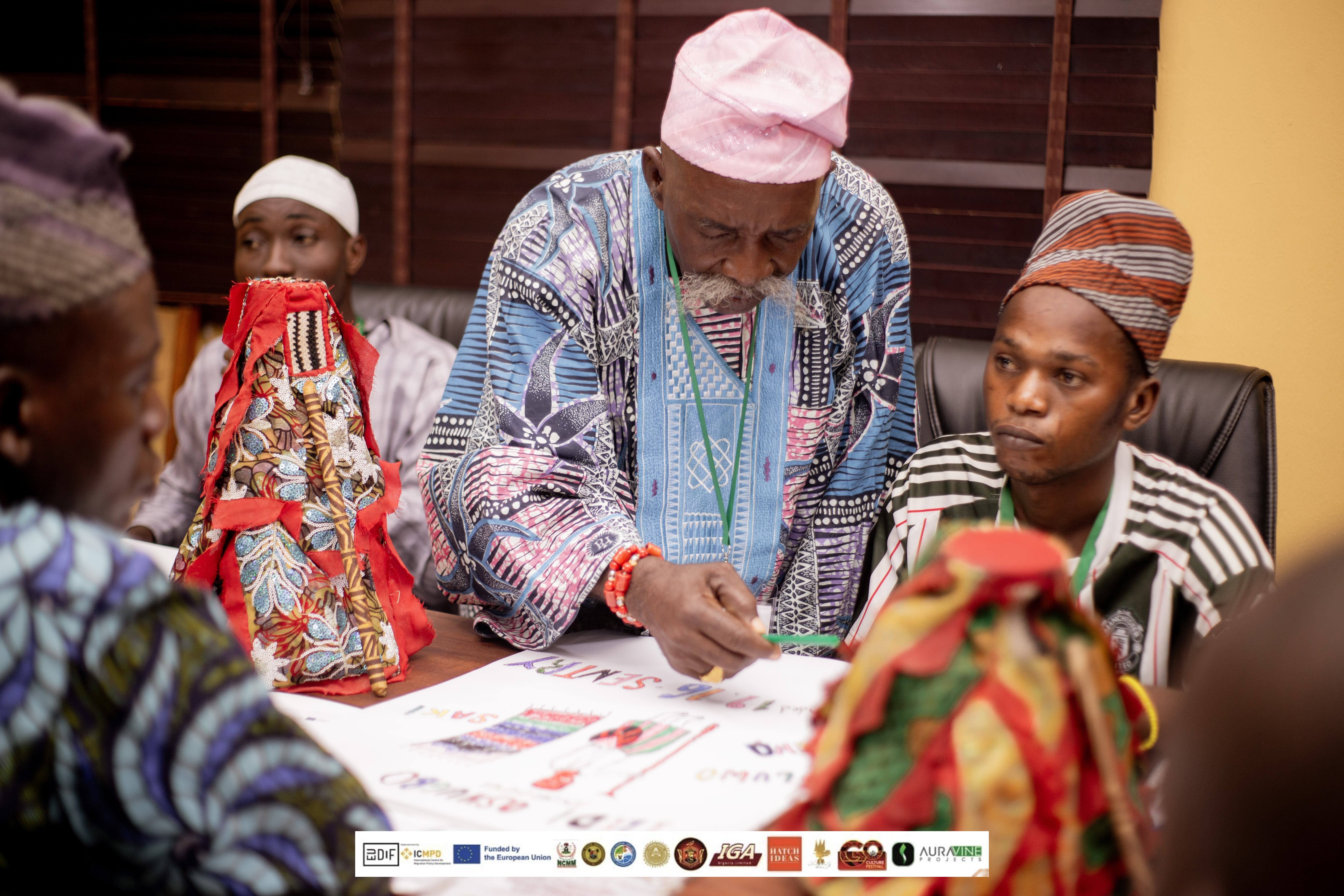
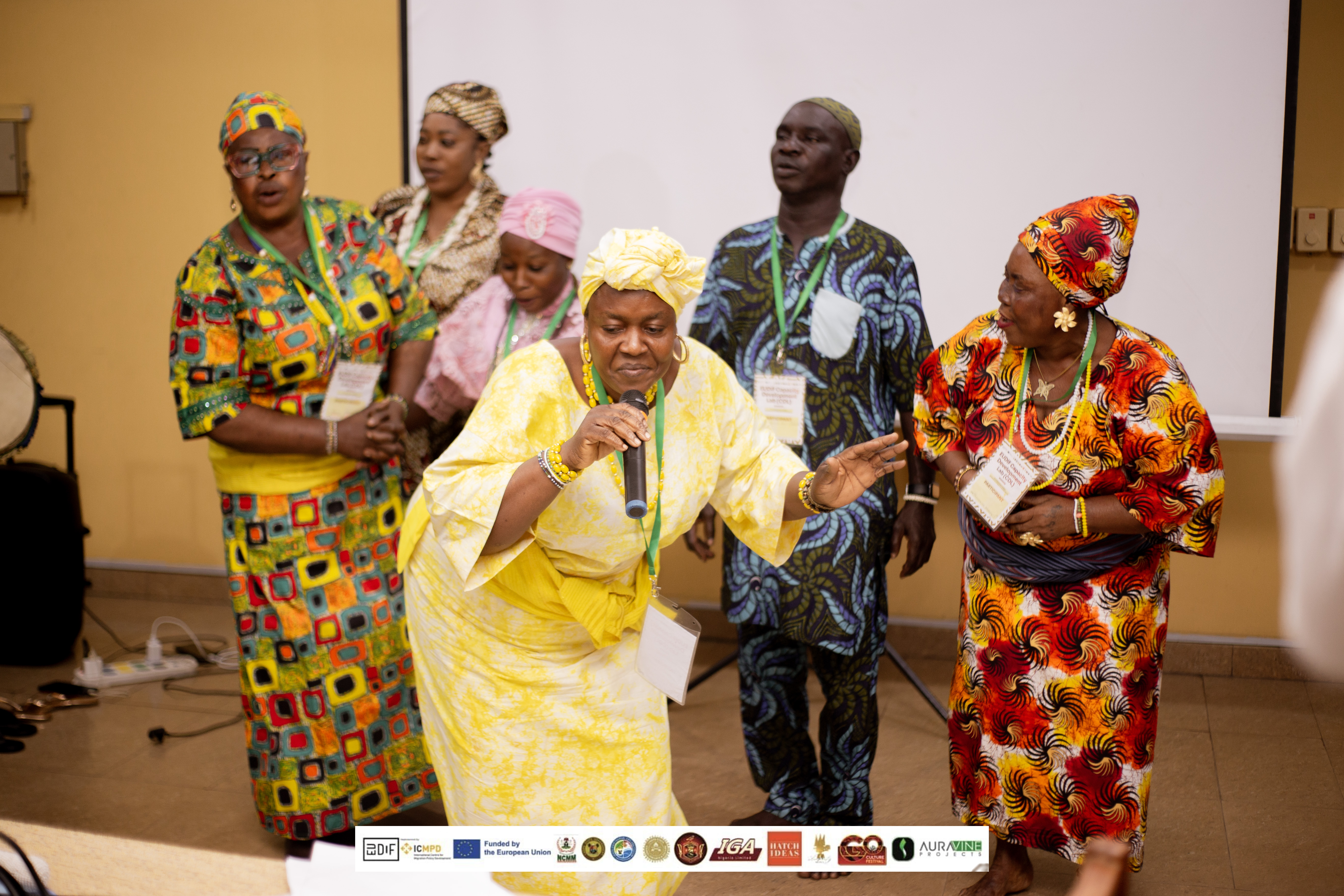
Delegates who participated in the ToT (Activity 2) will design a localised training programme aimed at equipping 50 local heritage custodians with the skills necessary to effectively conserve and preserve cultural heritage assets using sustainable management practices.
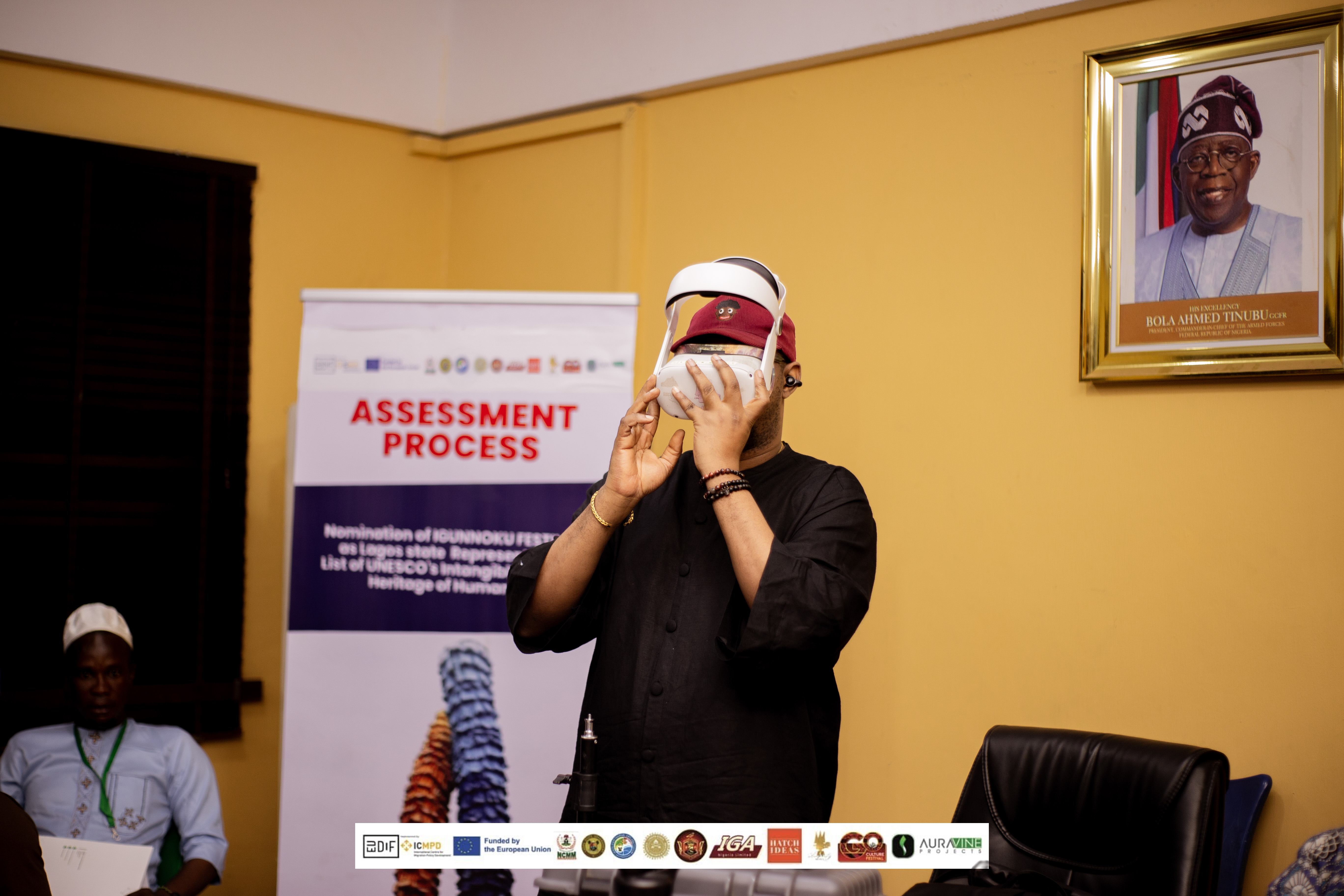
This workshop will equip the 50 local custodians previously selected for A3 with the skills to expand their capacity to digitally document, preserve, and promote both tangible and intangible heritage assets using the Google Arts & Culture platform. The participants will deepen their understanding and practical ability to leverage digital technologies for effective cultural preservation.
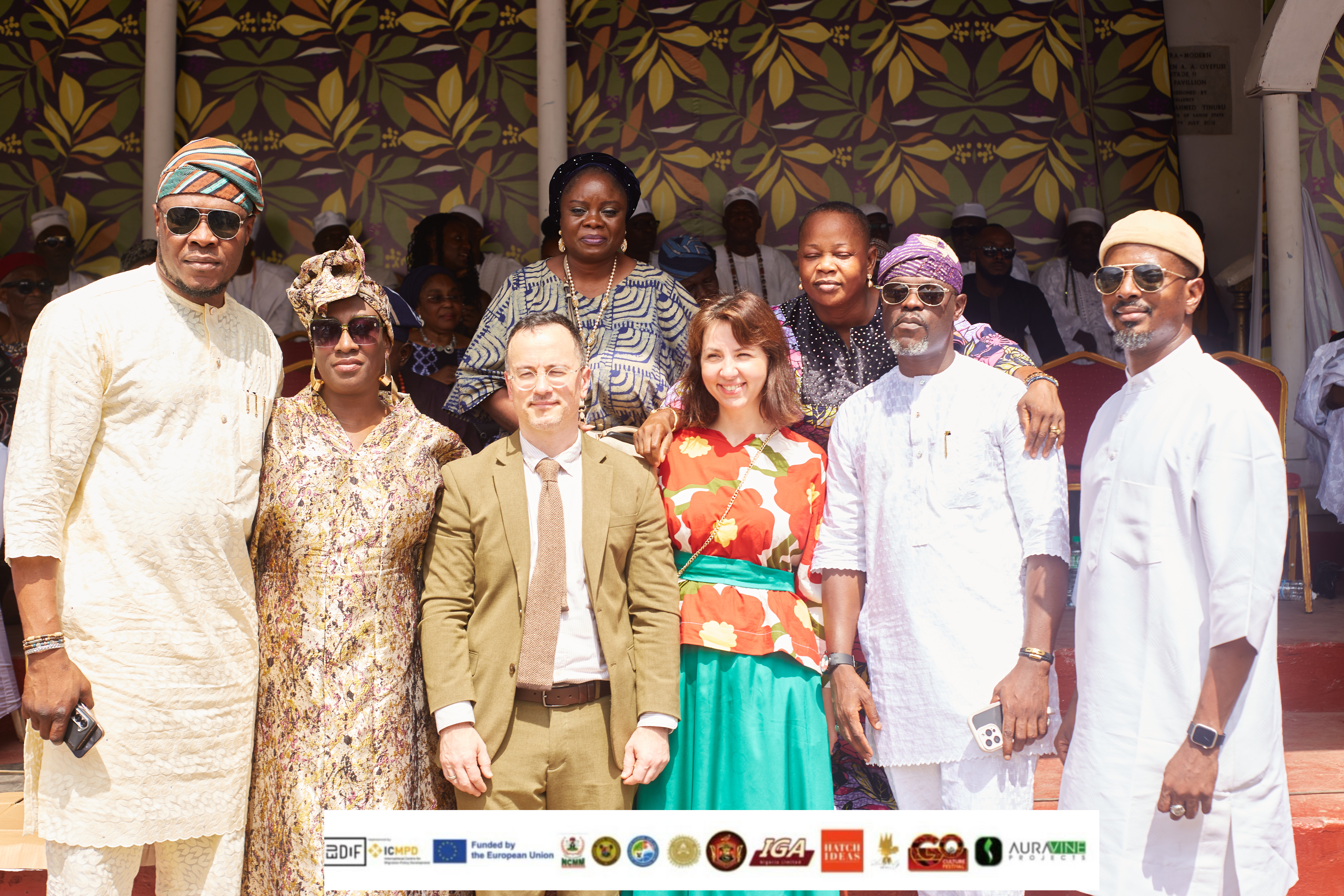
The HCMF, developed under A1, and complemented with the insights from A2-A4, will be presented to the broader stakeholder community. The framework will also highlight the importance of applying for inclusion of Ikorodu’s intangible heritage in the UNESCO Intangible Cultural Heritage List, positioning this as a collective objective, led by NCMM in cooperation with the Lagos State Government and local custodians.
Institutional impact
As a result of the project, the MTAC and NCMM enhanced their institutional capacities for heritage preservation through the co-creation, adaptation and validation of the Heritage Conservation and Management Framework. Through exposure to international practices, peer learning and long-term partnerships, the institutions deepened their knowledge of global heritage management models and international cooperation. 55 local custodians from eight Lagos Kingdoms strengthened their skills to sustainably preserve and promote their community's tangible and intangible cultural heritage, integrating modern technology into indigenous knowledge and local sensitivities. A multi-stakeholder working group was formalised to steer sustained cooperation and information exchange across federal, state, community levels and with the diaspora, thereby creating a scalable national mechanism for heritage governance.